
Best Plant Nursery Near Me in Tennessee: What Actually Matters When You're Choosing One
If you're Googling for best plant nursery near me in your driveway‚ with nothing but a scarred patch of soil where your flower bed used to be‚ the best nursery for you is the one that grows plants that will thrive in your local USDA zone‚ has knowledgeable staff who can help you troubleshoot why your azaleas keep dying‚ and stands behind what they sell with a real guarantee․ For Tennessee‚ that basically means zones 6a through 7b‚ but that's more important than most local review sites will even try to explain․
Yelp and Google Maps will give you a list of nurseries in your area‚ ranked by star ratings and distance․ That can help you locate the buildings‚ but it won't help much with which ones can grow plants in Nashville's clay soil or Memphis's sandier soil․ We're filling that gap here․
The Growing Zones of Tennessee Redefine 'Best
Tennessee falls into three USDA hardiness zones‚ so the best local nursery will ultimately depend on which zone you live in․
- East Tennessee (Zone 6a-6b): Knoxville and Johnson City‚ and counties to the west of the mountains‚ can have enough cold winters down to -10 degrees F, where nursery growers need to have plants that can withstand temperatures that low․ The southern favorites just look good on a shelf․ Middle Tennessee (Zone 6b-7a): Nashville‚ Murfreesboro‚ Clarksville․ This is where the transition zone begins: you can grow things that wouldn't survive in the mountains‚ but you'll be surprised by those late frosts that pop up in early April every year․ - West Tennessee (Zone 7a-7b): Memphis and the Mississippi River counties have a different‚ warmer‚ wetter climate‚ as well as clay to loam soil that retains moisture more than the rocky soil further east․
If a nursery staff person doesn't ask you what zone you're in‚ consider it a failing grade․ This is the single biggest thing local review sites miss - site may say the place has 4․5 stars‚ but don't tell you if the staff actually understands regional plant science․
What to Actually Check Before You Buy
Ask where the plants were grown․ Plants at big box stores are often produced by large operations in Florida‚ Georgia‚ or California․ Those plants were never hardened off for Tennessee winters‚ which is why so many gardeners buy a shrub in April and the plant cringes through the following January․ A nursery that specializes in growing or sourcing plants regionally will sell you plants that are already acclimated to your rainfall and soil pH․
Also check the roots‚ not just the tops․ If the staff allows ‚ ask to pull a plant partway out of its pot (a good nursery won't mind)․ Healthy roots should be white or tan‚ and not brown and mushy‚ and not growing in tight circles on the bottom of the pot‚ which means the plant's been there too long․
Ask what their return or replacement policy is․ This tells you more about a nursery's confidence in its stock than any star rating does․ For instance‚ at TN Nursery‚ we guarantee our plants because we know for sure if a shrub will do well in a Tennessee summer and winter‚ because we grew it in Tennessee․
Ask if they test or amend soil․ Middle Tennessee has clay soil that stays soggy in winter and in summer hardens to brick․ A nursery that offers soil testing or can recommend amendments (pine bark fines‚ compost‚ gypsum for compaction) looks beyond the sale․
When Local Isn't Enough
That's another great benefit of this book that the review sites won't tell you: many rural counties in Tennessee don't have a good local nursery within a reasonable driving distance․ If you live in a small town far from Cookeville‚ Columbia‚ or Paris‚ your nearest option may be the garden section at your local hardware store․
This is where a regionally focused online nursery like TN Nursery comes in, as they are more attuned to the specific zone 6-7 conditions in the area and ship bare-root and container plants that are regionally suited to Southeastern soil and climate conditions. The best part? You no longer have to rely on a big box store's list of Midwest plants․ For native plants, especially (things like Eastern Redbud‚ Oakleaf Hydrangea‚ or shade-loving ferns for a wooded lot)‚ a specialty grower will have selection and knowledge a general garden center often can't match․
Timing Your Purchase Right
Tennessee has two distinct planting times․ Knowing them can save you both money‚ and at least a little frustration․
In spring: After your last frost․ Middle Tennessee can usually plant by mid-April; East Tennessee mountain areas may be at risk until early May; West Tennessee can usually get started by the end of March․ One of the commonest ways new perennials fail is because they are purchased too early and planted into cold‚ wet clay․
Best for fall planting: Tree‚ shrub, and perennial plantings in Tennessee are best accomplished from September until mid-October․ Soil is warm enough for root growth‚ and cooler air temperatures reduce transplant stress on new plantings․ But nurseries that really promote fall planting and don't just load up their stock in spring know better․
Native Plants Worth Inquiring About
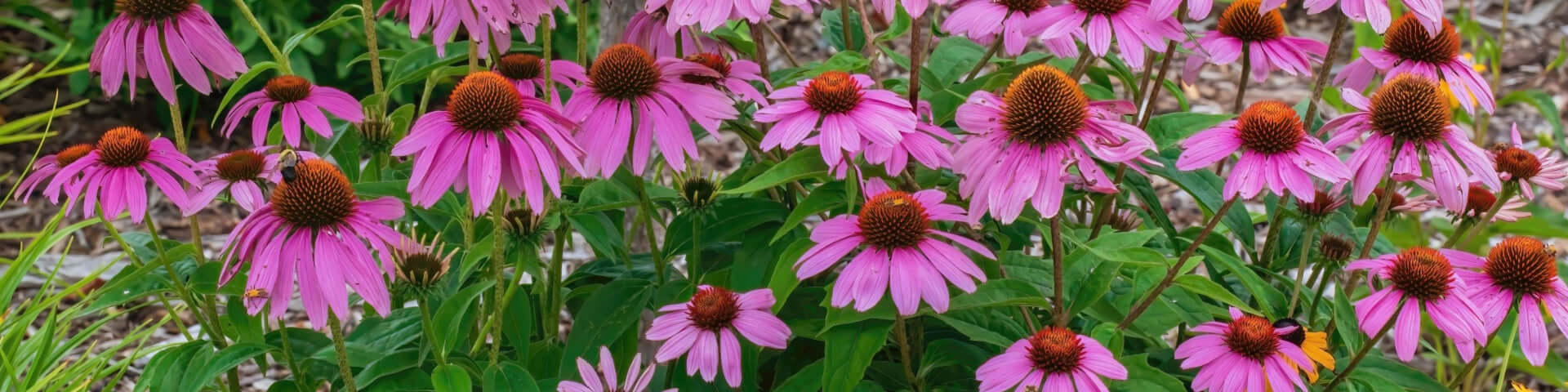
If your local nursery doesn't carry native to Tennessee plants‚ you should realize that native plants like Purple Coneflower‚ Black-Eyed Susan‚ Little Bluestem prairie grass‚ and Serviceberry trees will do much better once established with local rainfall and soils and are preferred by local birds and pollinators versus imported ornamental plants․ A good native plant section at a local nursery or an online grower with native plants in Tennessee can indicate that a garden center is invested in a long-term garden‚ not just a quick sale․
The Bottom Line
In addition to star ratings‚ consider the growing zone‚ root condition‚ soil type‚ and return policies before purchasing any of these plants․
"

