
The Essential Role of Shrubs in Landscaping
Landscaping creates an art and it is a way‚ whereby we create a setting suitable to the environment․ When we think of those plants which we can grow‚ we think about flowers and trees; the shrubs are usually ignored․ However‚ shrubs are a very important plant in landscaping and in any landscape plan: they provide much diversity in form‚ texture and color in a garden or other landscaped area․ With many benefits to shrubbery‚ an understanding of these benefits can help homeowners and gardeners to make the most of the landscape around their property․
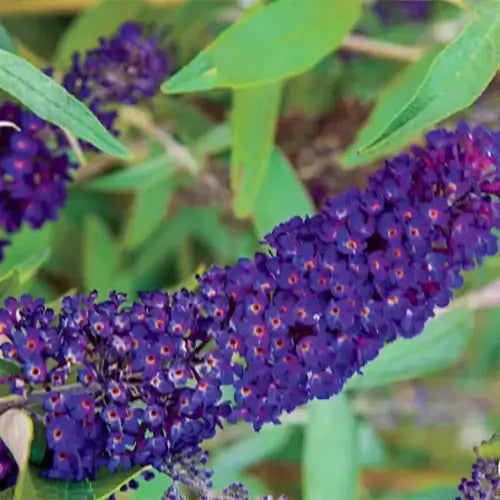
Aesthetic uses of shrubs are to provide a backdrop for other plants‚ and to soften the lines and forms of buildings and structures‚ so as to provide more contrast in the balance of the overall landscape composition․ Shrubs come in a wide variety of forms․ For example‚ rounded shrubs can provide an interesting contrast to spiky ones‚ or plants that grow uprightly․ Some shrubs have foliage that changes throughout the seasons: bright greens in spring and summer and reds and golds in the autumn․ Indeed‚ the flowers of some shrubs (for example‚ hydrangeas or butterfly bushes) bloom at different times of the year providing periodic splashes of color․ Particular colors can be employed in a garden to give it interest through the seasons‚ and also to draw the eye to particular places in the garden‚ such as a garden bench or a water feature․
Shrubs are useful for the environment‚ as they are important for purifying the air by absorbing carbon dioxide‚ releasing oxygen‚ and collecting particulate matter and pollutants․ The pressures on urban living and climate change have both made the role of green spaces in urban environments more important․ Shrubs can play a role in slowing rainwater runoff from paved areas by directing it slowly into the ground without entering drains․ Helophytes can help to reduce flooding‚ help recharge groundwater supplies‚ their roots can help stabilize earth to minimize erosion‚ and they are especially useful on slopes and in areas where run-off is a problem․ Planting native shrubs that are adapted to the local climate means less water and maintenance is required while benefiting wildlife biodiversity‚ making the home landscape more sustainable․
Shrubs Are Great Natural Privacy Screens
Perhaps a more straightforward use of shrubs comes in privacy․ In more populated urban areas‚ shrubs help provide much-needed privacy for residents and their neighbors․ Tall or thick shrubs can also form a sort of screen in an outdoor area‚ either to keep out curious people or to screen off busy streets․ A hedge or shrubbery is a more natural boundary than a fence․ Shrubs soften the view and can create a feeling of enclosure while allowing visibility to the outside․ Fast growing varieties of shrubs can quickly create a screen․ Some evergreen shrubs retain their foliage all year‚ providing privacy regardless of the season or temperature outdoors․
Beyond their ornamental and functional value‚ shrubs provide an important habitat for wildlife․ Many species of birds as well as helpful insects such as butterflies directly depend on shrubs for food‚ shelter and nesting sites in gardens and parks․ Bushes with many berries can provide food for migrating birds‚ or wintering birds‚ when other food is in short supply․ Dense colonies of shrubs can also be used for nesting or shelter․ Bushes with flowering blossoms bring insects to pollinate your garden․ Planting a flowering shrub will not only bring more beauty to your garden‚ but also more environment-friendly benefits as well․ It will attract the right insects that will pollinate the other plants grown in the yard․
Shrubs Increase Landscape Resilience
Shrubs have a prominent role in sustainable design because they are a key component of modern sustainable landscaping techniques such as reducing the consumption of water and chemicals for maintaining appearance and providing a higher overall biodiversity․ Some landscape designers recommend using shrub species that are native to an area's climate and wildlife․ Using a palette of native plants can increase landscape resilience to extreme weather events and pest pressures․ Using drought-tolerant and low-water shrubs can greatly reduce the water footprint of a landscape due to their ability to survive under conditions with limited water availability‚ reducing the landscape's reliance on irrigation․
Ultimately‚ shrubs play an important role in our landscapes‚ far beyond mere decoration․ By recognizing the many benefits that shrubs offer‚ we can create more intentional‚ mindful designs that not only improve the beauty of our surroundings‚ but also support our well-being and the planet․ In this way‚ shrubs truly are a resource worth investing in․ Whether used for their flower and leaf character‚ or for the protection from winter weather provided by evergreen shrubby plants‚ the ecological value of shrubs cannot be underestimated․ When planted around the home‚ shrubs need not be background plants or simply filler; they can be an essential part of our total living landscape․


