
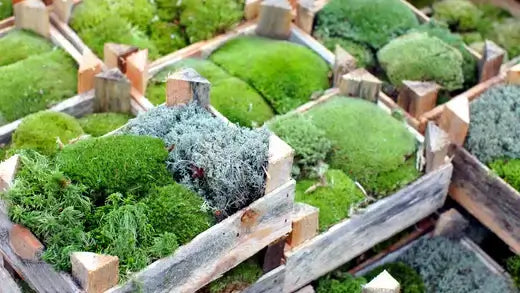
The Power of Moss in Gardening
Most gardeners look for bright‚ beautiful flowers and rich green foliage to make their gardens shine․ But tiny‚ low-key plants like mosses can have a big impact on your outdoor spaces․ This post will explore how and why moss is a valuable addition to any garden․ While it may be overshadowed by roses and tulips‚ growing moss in your garden has many benefits for the environment․ Moss as ground cover‚ moss for erosion control‚ moss as part of a sustainable landscape‚ moss improving air quality and moss providing habitat for wildlife are discussed․ People who might not have been aware of how important moss is should reconsider this ancient plant as an important part of a healthy landscape․
Moss is a great alternative to grass as a ground cover․ Unlike grass which needs to be mowed‚ watered‚ and fertilized‚ moss requires moist‚ shady locations and continues to grow in a carpet-like manner․ Moss gardening is appropriate for those unable to maintain the demands of a conventional garden‚ and mosses readily spread over bare soil‚ where they can help to prevent soil erosion and suppress the growth of weeds․ It can give the impression of a bygone era and has a sense of calmness in gardens․ It looks like an enchanted woodland․ It turns common patches of ground into smooth green cocoons‚ inviting touch and tap and other playful new ways to experience the garden․
Moss Retains Moisture
An additional benefit of establishing a moss area in a garden is to hold moisture in the soil․ Mosses develop a thick mat on the soil surface‚ which can help prevent moisture loss and thus save the gardener the trouble of having to water plants․ As the moisture cannot evaporate from the depression on a sunny day‚ the sponge holds on to the moisture and provides better conditions for plant roots to penetrate the soil in an area where water is a permanent feature․ Mosses prevent soil erosion as well․ Mosses can bind to the substrate and the soil particles together․ This has made mosses useful for soil erosion control on slopes and areas of runoff․ Climate change is causing storms to become stronger and more intense; consequently‚ mosses can help control soil erosion during floods․ Moss may also help prevent erosion during droughts․
Not only does moss contribute to the biodiversity of your garden ecosystem‚ it can often support more life than a lawn in good order‚ which itself can be low in biodiversity compared to other areas in your garden that are more naturalized․ Moss can also be home to insects‚ fungi and other fauna that support a wider ecosystem․ They may also engage in the pollination of plants or the process of decomposition of organic matter‚ thus adding nutrients to the soil․ Other organisms may live on or within the moss․ There are many kinds of lichen․ Several kinds of lichen and algae live on moss․ By incorporating moss‚ we create a cycle of life‚ a living space‚ and an ecosystem that ebbs and flows with the seasons․
Moss is a Natural Biofilter
In addition to air quality‚ moss may have the ability to absorb and filter pollutants from the air․ Thus‚ moss may not only improve the quality of a garden more generally‚ but also the environment․ In areas that have a higher pollution level‚ moss in your yard can be helpful as it absorbs carbon dioxide and releases oxygen into the air‚ helping the air become less polluted in your area․ Moss being velvety and soft in texture encourages the dust and other tiny particles of dirt in the air to stick to it‚ and therefore can make the air cleaner․ Growing moss in the garden can help the air to be healthier and provide a more pleasant environment for not just oneself‚ but the whole community․
As well‚ moss provides habitat for birds‚ insects‚ and small mammals․ It provides a location for birds to nest‚ and its wetlands are home to many different species of insects‚ which in turn are a source of food for birds․ Small mammals may nest in the moss layers‚ and may use it as a cooling mechanism during the summer․ Mosses also provide microhabitats with stable temperatures and humidity that can be suitable for other animals as well․ One can see such instances‚ and often believe to be experiencing a symbiosis with its environment‚ where all living organisms are parts of a larger‚ beautiful ecosystem․ Creating a sanctuary for (the local environment) by planting moss can serve the same purpose that a backyard might have; to allow nature to flourish․
To sum up‚ the many benefits of growing moss in your garden can truly transform your garden into a lush and vibrant environment․ From its aesthetic appeal as a natural carpet to its essential roles in soil retention‚ promoting biodiversity‚ improving air quality and supporting the local ecosystem‚ moss is indeed much more than a simple green carpet․ To some‚ it may seem counterintuitive to add moss anywhere in the garden․ But it may well make your garden a place not just for plants and people‚ but an ecosystem within itself‚ nurturing you as much as it nurtures the collection of life it brings․ The next time you plant‚ think of moss․ You might be surprised at how much fun it is to have a symbiotic relationship with your garden and to have a thriving ecosystem to live in․


