
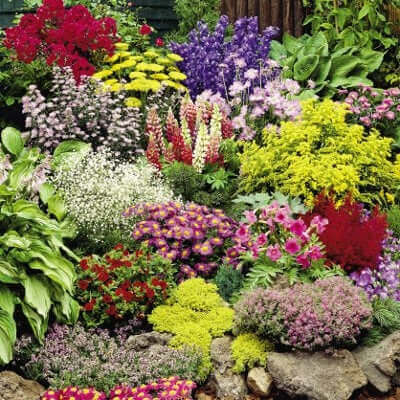
Perennials That Grow Year After Year in Tennessee Gardens
The best perennials for Tennessee gardens are those that fit Tennessee's growing zones․ Most of the state is 6b/7b‚ with a southern and western area of 8a․ Native and near-native plants tend to handle Tennessee's hot‚ humid summers and variable winter freeze-thaw conditions better than plants from drier or cooler areas․ Recommended perennials for Tennessee gardens include wood poppy‚ dwarf crested iris‚ and coneflower․ And if you can get that match‚ that's something that'll still be blooming in your yard ten years from now․
In contrast to annuals‚ which die back each year after flowering‚ perennials typically die back (go dormant) and then resprout from the same root system the following spring․ That root system is doing real work underground even when there's nothing above ground‚ stabilizing soil‚ feeding fungal networks‚ and giving water and air a far deeper reach than the shallow-rooted annuals ever could․
Benefits of Growing Perennials in Tennessee Home Gardens
Once it is established‚ which is usually in its second full year of growth‚ a perennial needs far less water and care than when first transplanted‚ as deep roots mean that it can draw moisture from deeper in the soil during late July-August dry spells‚ which may occur in the height of the growing season․
And‚ don't forget the soil health story․ With a perennial‚ the root system stays in place year-round‚ so the soil isn't disturbed every year with replanting․ This relative stability allows the helpful mycorrhizal fungi to form long-term symbioses with the root systems that help each partner access nutrients and moisture they couldn't reach as individual organisms․ In three or four years‚ beds planted in perennials generally have far better soil structure than ones that are tilled and planted anew every year․
Pollinators do benefit․ A garden with only one or two perennial species may bloom for only three weeks‚ and not after blooming season․ By planting early blooming species (dwarf crested iris) alongside summer bloomers (coneflower‚ Ranunculus repens)‚ nectar is available from March until September․ This helps bees and butterflies‚ not just the garden's appearance in the resulting photographs․
Benefits Worth Knowing
- They come back on their own‚ curtailing replanting and labor costs year after year․ - Deep root systems reduce erosion on steep lots and in locations with clay soil - Established plants require minimal extra watering during summer dry spells - Many accept Middle Tennessee's clay soil when amended with compost at planting time․ - They support a longer pollinator season than an annual planting would provide․ - Roots improve soil structure over time‚ thus benefiting neighboring plants' root systems - Less tilling means there are fewer weed seeds in the ground to germinate in the first place
Strong Perennial Choices for 2026
Wood Poppy prefers the dappled shade of deciduous trees‚ such as might be seen along a wooded property line in Tennessee․ Blooming in soft yellow in April to May‚ it spreads slowly by both seed and rhizome․ Wood Poppy thrives in a well-drained‚ yet moist soil․ Leaf litter‚ or light mulch of compost‚ is all that is needed; it resents heavy fertilization․
Dwarf Crested Iris is one of the first flowers to bloom in the shade garden‚ in March‚ before the trees fill in and provide shade․ It likes humusy‚ well-drained soil‚ like that at the edge of the forest․ As a mature‚ attractive groundcover mat‚ it will grow effectively within two or three years and can fill in areas under older oaks and maples where grass has difficulty growing․
Dutchman's Breeches has the unique white pants-shaped flowers in early spring‚ but it is completely dormant by early summer․ If you do not see them by June‚ this is normal․ It is often planted in rich‚ compost-amended soil with later-blooming perennials that will eventually fill in the space left by its disappearance․
Ranunculus repens (creeping buttercup) is better than almost anything else when it comes to wet ground․ It makes a decent ground cover for those low‚ poorly-draining corners of the yard that form after heavy rains in spring in many parts of Tennessee․ Flowers appear between May and July‚ and since it spreads by runners‚ be conscientious about its space‚ or divide it every few years․
Purple Coneflower should be included here too․ Another workhorse for sunny beds‚ this perennial tolerates Tennessee's clay soil‚ the summer heat that would wilt less hardy plants‚ and summer blooms from June to September if spent flowers are deadheaded․
Planting and Care Specifics
Tennessee clay soil does not drain well‚ so it is important to incorporate 2 to 3 inches of compost into the top 6 to 8 inches of soil before planting․ Choose areas of your yard that drain well․ If the area is still soggy an hour after a heavy rain‚ raised beds or soil amendment may be necessary before you can grow perennials there․
Water the first year deep once or twice a week instead of shallow every day․ The goal is for the roots to reach deep enough to survive a drought rather than staying on the soil surface․ After the first year‚ most of the perennials on this list need water only occasionally during dry spells of two weeks or more․
Apply a layer of mulch two to three inches deep‚ but not touching the base of the plant‚ or you may create crown rot‚ which our humid summers often encourage․ Prune out any dead foliage in late fall to early spring․ Shade-loving natives like wood poppy usually prefer the fall cut back while some summer bloomers like to have the seeds left up in the winter for the birds․
It is a good idea to avoid broad-spectrum pesticides in perennial beds as they can kill soil microbes and pollinators that these plants rely on․
Companion Plants Worth Adding
Annuals like zinnias and cosmos may be interplanted with the perennials at various times throughout the summer to provide a succession of flowers to attract pollinators․ Coneflower is a good companion for the shade-tolerant perennials above as it will do well in the sunnier parts of the mixed bed and adds some summer-blooming color after the spring ephemerals have gone dormant․ Black-eyed Susan also tolerates heavy clay soil and summer heat‚ but also adds a fall-blooming period․
"


