
Understanding Basic Plant Diseases Essentials
Plants are the green organisms of the kingdom Plantae․ They are ecologically important‚ synthesizing the oxygen we breathe‚ and providing value to humans and other organisms by improving and adding beauty to the environment․ Plants‚ like all living things‚ are prone to disease․ Plant disease is the disturbance of the normal functions of a plant‚ which often leads to impairment of growth‚ or death․ Understanding plant disease‚ its causes‚ and its consequences is important for anyone who grows plants‚ whether in a garden‚ on a farm‚ or windowsill in several pots․ At first‚ the world of plant diseases may seem difficult to understand but the purpose of this article is to inform you about the fungal infections‚ bacterial infections‚ and non-infectious diseases that attack plant life and how to handle these disease appropriately so plants can live healthy lives․
Fungal diseases are among the most common and easily recognized types of plant diseases․ Fungi are warm‚ humid weather organisms‚ and infected plants are most likely to be found in areas of persistent rainfall and humidity․ Symptoms of fungal infection can be difficult to identify‚ but are often a patch of color change on a leaf or stem․ In plants affected by powdery mildew‚ for example‚ the leaves are covered in a white powdery coating․ Less visible types of fungal infection are more likely to penetrate deeper into the plants root system‚ damaging it sufficiently before being recognized․ Regular checks and leaving an appropriate gap between plants will lower the risk of fungal infection‚ which will then create a healthier environment for the garden to thrive․
Remove Diseased Leaves to Stop the Spread of Diseases
Another major category of plant disease is bacterial wilt․ The plant suddenly wilts‚ leaves turn yellow and die‚ and flowers wilt - even though the soil is still moist․ This is caused by bacteria that invade the plant's transport systems and prevent the transportation of nutrients and water․ Tomatoes and potatoes are the most susceptible crop plants to bacterial wilt‚ making it an important disease for vegetable growers․ Wilting of the foliage‚ particularly in hot weather‚ can often be the first indication that a plant is infected with bacterial wilt‚ and diseased plants should be very quickly removed‚ as the disease can spread rapidly․
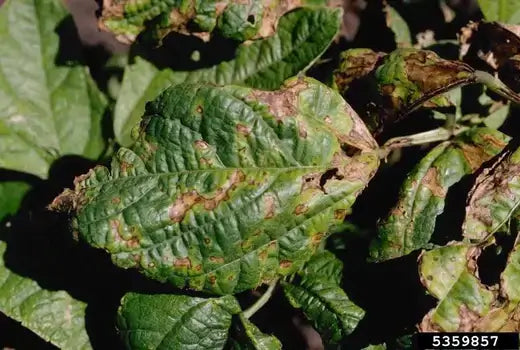
Leaf spot diseases are plant diseases with one characteristic: as the name suggests‚ spots or lesions are produced on leaves and stems of the host plant․ The cause can be either bacteria or fungi․ The spots created by the disease can be brown‚ black‚ yellow‚ or red․ Some leaf spot diseases are harmless‚ while others may lead to the defoliation of the tree or shrub and greatly weaken the plant․ Therefore‚ it is important for the gardener to know which plants are susceptible to leaf spots․ Regular inspection of leaves‚ especially in warm and humid weather‚ can help prevent or catch these diseases early․ Simply removing the badly affected leaves is enough to sometimes stop the spread and allow the plant to recover․
Root Rot Explained
One of the silent killers of plants‚ root rot occurs when roots die due to excessive moisture‚ usually as a result of overwatering and poor drainage․ Without roots to absorb water and nutrients‚ plants soon stop growing‚ and yellowing of the leaves and stunted growth are the signs that root damage has already occurred and may be far advanced․ The best way to prevent root rot is to monitor the soil and drainage conditions‚ and take steps to improve those conditions as needed․ Growing in pots or containers with adequate drainage‚ using potting soil that drains well‚ and allowing the soil surface to dry slightly between watering will generally guarantee healthy roots and a healthy plant․
Prevention does not simply mean observing the conditions after the disease has appeared․ Periodic rotation‚ sufficiently wide row spacing‚ good sanitation practices to keep dead leaves and other plant debris from the ground to prevent the further spread of fungal spores‚ and the use of resistant cultivars wherever they are available all help․ These methods can save a gardener a world of trouble․ Organic gardeners can also consider using the biological controls that use helpful bacteria and fungi to prevent diseases and keep plants healthy‚ without adversely affecting the surrounding environment․
Garden and agricultural plant diseases can be lethal‚ and as discussed above‚ avoiding the diseases‚ knowing about the fungal infections‚ the bacteria‚ leaf spots‚ root rots‚ the symptoms‚ and prevention of these afflictions will keep your plants and crops healthy and productive in their respective living environments‚ gardens‚ and fields․ Your plants are in your care․ There's much more to keeping them alive than just watering and feeding․ By understanding your plants' needs and weaknesses‚ you can prevent the myriad of problems that can occur and create a beautiful‚ edible ecosystem for yourself and the planet․ This section will teach you how․


