
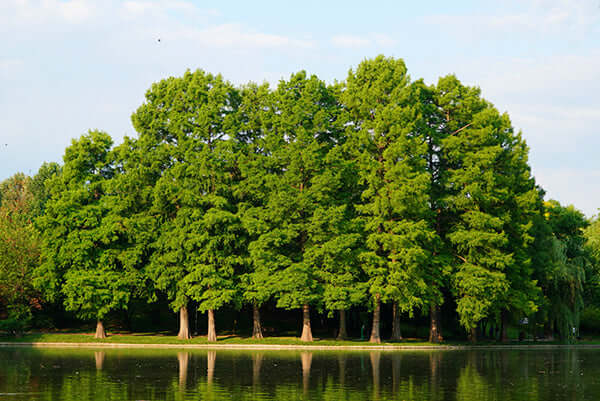
Do you want to add some shade to your property? If so, think about planting a Bald Cypress. This tree is a timber, ornamental conifer. It is commonly found in swampy, southern areas in North America.
You might have spotted the Bald Cypress Tree in the local area! This tree could be the answer if you want a tall tree that can bring together your home or office garden. At Tennessee Nursery, we have the best Bald Cypress Trees in the area. Learn more about this tree! It could be a great way to hold your commercial or residential garden together!
What Does the Cypress Look Like?
The Bald Cypress has one of the most extended lifespans of any tree. It also grows relatively slowly, so it can be a solid stabilizing presence on your property. If you look at older Cypresses, you may realize they are hollow. Younger Cypress Trees tend to be more symmetrical and pyramidal; however, an older Bald Cypress Tree may grow like they have a mind of its own!
The Cypress tree is marked by a tall, tapering trunk about 100 feet tall. The trunk is about three feet wide.
When the Cypress Tree is young, it has red or brown bark
As the tree gets older, it turns to an ashy gray color. It grows well in wet soil because its trunk is solid. It has horizontal routes that occasionally protrude above the waterline.
Why Do People Like the Cypress Tree?
A few examples include:
-
Bald Cypress
- It is a deciduous tree with leaves that persist throughout the year, particularly in the local area.
- Many people love to use seed cones for arts and crafts projects.
- The Bald Cypress Tree can provide shade for many other plants.
- Because it has such strong roots, it may be able to keep the soil intact even in heavy storms.
- This tree has a long lifespan that will last for generations.
This unique Cypress Tree may be an excellent option for your home or office garden. Consider adding the Bald Cypress Tree to your property!
Call TN Nursery for the Best Bald Cypress!
The Cypress Tree can be a tremendously stabilizing presence on your property. It has strong roots and a towering structure that protects your other shrubs, hedges, and trees. Do you want to add a Cypress Tree to your property? If so, TN Nursery can help you! Our plant experts have a lot of experience working with the Cypress Tree.
We can help you find the perfect tree for your property as well. Because the Cypress Tree only requires a little care, it could be a great choice, even if you are busy during the day. Contact our team today, and ask us about the Cypress Tree!
Bald Cypress Care and Watering
Wildlife species such as ducks and squirrels consume its seeds while beavers utilize its wood to build lodges. This species serves as a vital ecological component because it maintains wetland biodiversity where it predominates.
Bald Cypress Size and Growth Rate
The submerged roots of swamp trees create a habitat that supports amphibians, fish, and reptiles. Because its roots provide protective cover alligators select the base of this tree as their nesting site. The endangered swallow-tailed kite finds safe nesting areas among large mature specimens of this species.
About Bald Cypress
Bald Cypress Tree served medicinal purposes throughout history while also playing significant roles in construction and cultural contexts. Ancient tribal communities prepared teas from both the needles and bark of this tree to heal different medical conditions. People commonly utilize infusions to treat fevers, respiratory conditions, and infections. The tree's bark contains natural compounds that fight bacteria and reduce inflammation which proved essential until modern medical practices emerged.
The Enduring Legacy of the Bald Cypress
If trees could talk, the Bald Cypress would weave tales as old as the swamps it calls home. This majestic tree, with its moss-draped branches and towering stature, has witnessed centuries of change. Found wading knee-deep in marshes and riversides, the Bald Cypress is more than a tree; it's a relic of time itself, holding secrets from eras long past.
Returning to the days when Native Americans revered the Bald Cypress for its sturdy wood and natural resilience. They saw its heartwood as a gift from the Earth, crafting canoes that could glide effortlessly through winding waterways. These trees weren't just materials providers. They were guardians of the landscape, offering shade, shelter, and stability to swampy terrains. They stood tall and unyielding, enduring storms and floods, proving their worth year after year.
By the time European settlers arrived, they quickly noticed the Bald Cypress. Its rot-resistant wood became a prized commodity for building homes, shingles, and even barrels. Yet, while its timber told one story, its mystical presence whispered another. Legends spread about spirits in the groves, with their knobby "knees" said to hold otherworldly powers.
Planting Bald Cypress
Taxodium distichum displays extraordinary hardiness, which is one of its defining traits. This species successfully grows in diverse environments that include both saturated swamps and well-drained uplands. The southeastern United States native plant shows natural adaptation to humid conditions yet survives temperatures down to -20°F which allows it to grow in areas beyond its original habitat.
Its strong immunity to pests and diseases constitutes yet another factor behind its popularity in landscape applications. The species shows exceptional resilience to prolonged flooding while also surviving drought conditions after establishment. The plant's extensive root network enables it to withstand strong winds which makes it highly suitable for areas that frequently experience storms.
Bald Cypress Tree holds a prominent place in both natural surroundings and planned landscapes. The combination of its striking appearance, adaptable nature, and long lifespan establishes it as a highly valued plant for use in parks, gardens, and restoration projects. This species flourishes in flood-prone areas where it serves to stabilize soil and prevent erosion along riverbanks and coastal plains. The deep-rooted nature of its design makes it resistant to strong winds and storms which allows urban planners and landscape architects to incorporate it into large-scale projects.
Recent scientific research has analyzed the bark and cones of the plant, discovering medicinal flavonoids and tannins within these parts. Extracts from this plant are still used by holistic practitioners for their believed antimicrobial and antioxidant effects even though it is no longer a common element in herbal medicine.
Bald Cypress in the Landscape
Tribes native to the southeastern United States utilized this resource extensively to build their homes and canoes as well as ceremonial structures. 16th-century Spanish explorers documented their first written observations of massive trees with distinctive root structures which emerged from expansive wetlands. Because of its durability against decay the wood became essential for shipbuilding as well as building houses and manufacturing coffins. The significance of this tree in history remains clear because it has endured without moving through changing landscapes for many centuries.
Bald Cypress: The Sentinel of the Swamps
The Bald Cypress didn't just shape history. It shaped the land. Known for its deep roots and adaptability, this tree has a knack for survival. Its unique "knees," those curious wooden knobs rising from the water, sparked more questions than answers. Early naturalists couldn't decide if they were for breathing or anchoring the tree in soggy soil. Regardless of their purpose, these knees became iconic symbols of resilience.
The bald Cypress represents resilience precisely. During hurricanes, when floodwaters roar through the lowlands, this tree holds firm, a living testament to nature's tenacity. Despite logging booms and land development, its numbers endured, thanks to conservation efforts and an increasing appreciation for its ecological role.
Creeping Phlox - June 2026Today, when you stand beneath the sprawling canopy of a Bald Cypress, you're not just looking at a tree. You're connecting with a living piece of history, a sentinel that's weathered centuries, offering wisdom to those who pause long enough to listen.
Bald Cypress Varieties
In the 18th century renowned botanists Andre Michaux and John Bartram conducted extensive studies and documentation of the species noting its exceptional capability to flourish in damp habitats. Michaux observed the tree's remarkable dominance in southeastern U.S. swamps where dense clusters formed along riverbanks and within lake and floodplain areas.
Taxodium distichum was known to indigenous peoples long before European explorers arrived in North America. European naturalists first recorded botanical observations of the species during the late 1600s. The English botanist John Tradescant is credited with being among the first to scientifically document the tree and subsequently brought it to European gardens.
The Taxodium distichum ( Bald Cypress Tree ) represents one of North America's most enduring and ancient tree species. The oldest known fossil evidence shows Taxodium distichum existed during the Mesozoic era when dinosaurs inhabited the earth. Throughout its existence this tree species has been present during the development and decline of civilizations which includes the indigenous peoples who valued its practical uses and the European settlers who soon understood its worth.


