
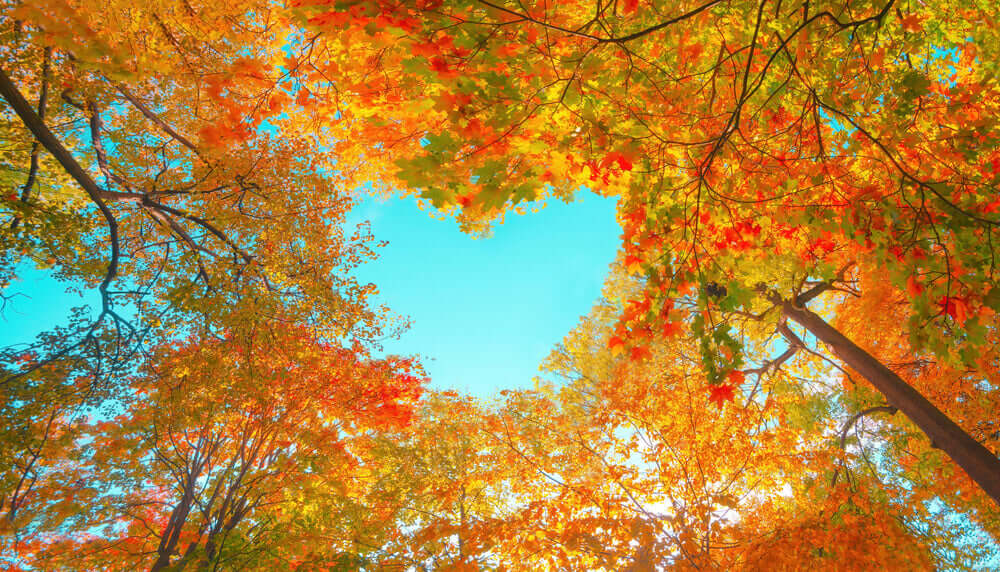
Autumn's Most Glorious Tree Colors: A Complete Guide to Fall Foliage"
Red maples‚ sweetgums‚ and oaks produce the most colorful fall foliage in Tennessee and the Southeast․ Peak times for fall colors in the state range from mid October to early November depending on elevation and seasonal temperatures․ If you want a wall-to-wall flush of autumn color‚ ignore the pretty trees and choose ones better adapted to your soil and climate‚ and plant early to give them a chance to get established․
TN Nursery has narrowed down what we think should work best in the Southeastern garden over the years․ Fall color is one particular thing we pay attention to․ Some trees that turn brilliant red up in Vermont do not do nearly as well down here‚ given the humidity and the common clay-heavy soils․ That's the gap this guide seeks to fill․
How Do Trees Change Colors in the Fall?
In the fall‚ as days shorten and chlorophyll breaks down‚ other pigments become visible: carotenoids (yellows and oranges) and anthocyanins (reds and purples)․ Unlike carotenoids‚ anthocyanins are produced in the fall from leaf carbohydrates stored prior to leaf fall․ Anthocyanins are produced by the tree when it begins to sever its leaf-branch connection․
That's why weather is so important․ Warm‚ sunny days followed by cool nights are ideal because photosynthesis is converting carbon dioxide to sugar during the day․ Cool nights slow the loss of that sugar from the leaves‚ leading to the brightest colors of the year․ Factors such as a cloudy‚ wet autumn or an early season hard freeze may limit sugar formation‚ causing anthocyanins to not be produced in leaves that may then drop before they are fully colored․
Soil moisture also plays a role: trees on well-drained soils with reasonably consistent summer moisture tend to color better․ In the clay soils of Middle and West Tennessee‚ a big difference in tree health and fall color can be made by adding organic matter at planting time․
Best Trees for Autumn Color in Tennessee Landscapes
Red Maple This is the workhorse of Southeastern fall color․ Red maples will grow in all soil types‚ wet and somewhat dry‚ and they tend to grow quickly‚ with heights of 13 or 15 feet (4․0 or 4․6 m) being reached in several years․ Fall colors range from bright red to orange‚ frequently showing both colorations on the same tree and often ahead of other tree species․ Fall leaf color can occur as early as the end of September in the cooler pockets of East Tennessee․ The trees grow in zones 3-9‚ and are hardy throughout our state․
Sweetgum If you've ever seen a sweetgum showing color‚ it makes the rest look dull․ One single tree can display red‚ purple‚ orange and yellow leaves at the same time․ They're fast growing‚ can be planted in either full sun or partial shade‚ survive in poorer soils than most flowering trees‚ and there's only the one downside‚ their spiky seed pods‚ which some homeowners find annoying․ If you can tolerate the fall cleanup‚ the color payoff is hard to beat․
Oak Trees Oaks are also late to change color‚ often not until November․ Instead of red‚ oak leaves are russet brown‚ copper‚ and burgundy․ What other trees do not have is longevity and form․ The well-sited oak will outlive the person who planted it․ Owing to the natural durability of oak trees‚ many of them will hold their leaves into the holidays‚ adding another texture when the rest of the landscape is barren․
Fast Growing Trees If you want color and shade in less than a decade‚ you can try some of the faster growing species that produce yellow and orange leaves within a few years of planting․ These trees are especially suited for lots in new construction or those who are starting their landscapes from scratch and need height and interest quickly․
River Birch However‚ river birch has excellent yellow-gold fall foliage‚ peeling‚ cinnamon-colored bark that adds winter interest‚ and is the most tolerant of wet conditions in this list‚ better than any other․ Consider it a back-up tree in low-lying areas that remain wet‚ or beside downspouts where normal soil conditions are too soggy․
Dogwood Dogwoods give a softer fall color in red and burgundy‚ plus they flower in spring and have a more natural tree form․ Dogwoods are also smaller than these other trees‚ usually in the 15 to 25 ft (4․6 to 7․6 m) range at maturity‚ making them more appropriate as a tree to plant near a patio‚ entry or other structure․
Best color in spring; plant in fall․
If you want trees that show fall colors in your yard‚ fall is the best time to plant trees in Tennessee․ Between October and early December‚ roots are able to grow in cool‚ moist soil before summer heat arrives․ Their first year's tree growth is often better when fall planted because the trees are not subjected to stress from summer heat․
Once planted‚ the tree should be watered weekly the first season‚ or more frequently in dry periods․ Apply 2 to 3 inches (5 to 8 cm) of mulch‚ taking care to keep a few inches away from the trunk․ Most fall-color trees need no heavy fertilization their first year‚ which would divert energy from the roots' establishment․
Creating a Full Fall Arrangement
Trees are the backbone‚ but it's the ground beneath them that tells the story․ Flowering perennials that bloom late can provide color at eye level while the canopy turns overhead․ Sensitive ferns bring soft yellows‚ and they thrive in the dappled shade cast by maples and oaks‚ producing texture where mulch had reigned as the sole groundcover․
It should instead have layers of planting in the canopy: tall trees to provide structure and foliage‚ flowering dogwoods and other mid-size trees to connect this to eye level and mid-height‚ and herbaceous plants and ferns for the undergrowth․ If done well‚ it should look layered from the ground up‚ not a single tree plopped in the lawn․
There's no luck involved with fall color: You have to choose the right trees for your area‚ plant them at the right time‚ and give them a few years to grow․ But if you start this fall‚ by the time your neighbors are raking leaves you'll be looking out at exactly the display you planned for․


