
Architectural Simplicity in Gardening: How to Design a Clean‚ Structured Landscape with Native and Adapted Plants
Architectural simplicity means designing the lay-out in bold shapes and outlines‚ in repetition‚ and in a limited palette of plants‚ as opposed to building up such a variety of colors and textures to get massed effects․ It depends instead on enclosing and laying out landscapes in elements like hedges‚ strong verticals․ For gardeners in USDA hardiness zones 6a - 7b this style is also practical for several reasons: there are fewer plants to tend to‚ therefore fewer insect pests and diseases to contend with; yet the garden still looks purposeful in January․
It is not new; estate gardens in Europe have clipped hedges and geometric plantings for centuries․ It is the bones of the garden that are far more meaningful than any single flower․ What has changed is that the home now expects that same clean look without the backing of a maintenance crew‚ so plants that will grow that way‚ with just light pruning‚ are what they gravitate to․
Topiary: Structure Without the Fuss
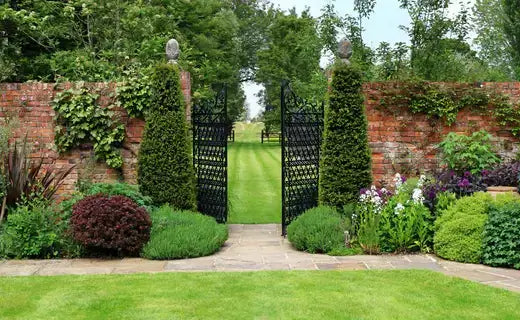
Topiary has gotten a bad name for being fussy art‚ but even a single clipped ball of boxwood on a doorstep‚ or the three identical cones flanking a walk can easily outdo a whole bed of annuals․ In Middle and East Tennessee the workhorses are boxwood and privet‚ both of which thrive in our clay soils and tolerate two or three prunings a season without fuss․ Prune in late spring when new growth has hardened off and in mid-summer if a distinct line is desired․
Ribbon Grass for Navigational Use Within Order
The one thing lacking in a purely architectural garden is movement‚ but this can be supplied by ribbon grass‚ Phalaris arundinacea‚ with green and white striped blades rocking on the upright stems or flashing in the sun without becoming untidy․ Such grass spreads by rhizomes‚ so should be planted in a bed of its own or a good-sized pot․ In the humid summers of Tennessee‚ the plant can grow faster than gardeners expect; hard pruning to a couple of inches above the soil line in late winter can produce a full upright bush by mid-April․
Red Hot Pokers‚ Vertical Punctuation
Red hot pokers (Kniphofia uvaria) are not native to the south‚ but thrive in the well-drained‚ zone 7 garden․ Their torch shaped flower spikes on bare 2-4 ft stems are the very thing architectural design so often demands: the height without the bushy appearance․ They require full sun and well-drained sandy soil; in Tennessee‚ soaking wet in winter is worse than soaking wet in summer․ Deadheading will encourage a second bloom in the fall following the late spring bloom․
Bamboo for Screening and Scale
Very few plants seem to make more out of less than bamboo․ A stand of clumping bamboo can effectively replace an entire fence line‚ giving you both privacy and a living architectural backdrop․ Don't run bamboo unless one can afford the rhizome barrier to prevent it from colonizing the neighbors' properties in two or three seasons․ Clumping bamboo (Bambusa multiplex) tends to be compact and tolerates winters in Tennessee to about 10 degrees Fahrenheit (about -12 degrees Celsius‚ no dieback)․
Horsetail for Minimalist Water Features
Horsetail or Equisetum hyemale looks as though it should have been designed for a building - so upright and sectional is it‚ so very almost geometric‚ that it is almost hard to believe it is a plant․ It will grow at the water's edge or in a pot submerged to its rim in shallow water‚ and is ideal for anyone who wants to install an aquatic display in formal gardens․ Planting it yourself could become costly‚ but worth every cent as TN Nursery's potted horsetail in damp soil will be root bound and easy to plant․
Red Twig Dogwood for Winter Color
Another shrub that may be as good or better is the coral red dogwood or red twig dogwood (Cornus sericea)‚ with its even redder stems‚ providing greater contrast against the snow or brown mulch of winter landscaping․ It is in its prime in the winter months of December‚ January and February․ Imperata should be cut back in spring by removing the oldest stems‚ or one-third of its stems‚ encouraging new stems with bright foliage and removing the brown-gray coloring of older wood․
Boxwood: The Backbone Plant
If I could only have one shrub in Tennessee it would be boxwood․ Unlike most broadleaf evergreens‚ it is evergreen and clipped and tolerates clay soil and summer humidity․ TN Nursery has several different types of boxwood for different landscape applications‚ from dwarfs that are best used for low growing border hedges‚ to the taller English boxwood best for hedge work and topiary․ The mature versions of these plants only need to be sheared two times a year to obtain the customary formal look․
Privet: The Practical Partner
Privet is not as desirable as boxwood in shrubbery‚ but is faster‚ more tolerant to poor soils and more tolerant to being pruned․ Fast cutting back of the whole hedge means the landowner can remove and replant or change the hedge line without waiting five years for the hedge to fill in․ However‚ though somewhat rough at close range‚ the line remains clear from a distance in its repetition of hedge or screen․
Why Symmetry Ties It All Together
None of these plants alone offers architectural simplicity․ Rather‚ geometric arrangements (two mirror plantings on either side of a path‚ straight hedges‚ and one or two high-impact focal points) must be used to make the intent clear․ A garden with four (identical) boxwood spheres‚ and one dogwood‚ is more intentional than a garden with a different plant every few feet‚ which just reads as unfinished․
For Tennessee gardeners‚ less is more․ Less plants equal fewer bloom periods‚ fewer soil amendments‚ and only two or three times a year to prune‚ rather than twelve․ When I look at a garden‚ I think about just one structural anchor‚ a boxwood hedge‚ a bamboo screen‚ from which you can build-up vertically‚ or provide seasonal color․ That's the point of simplicity․


