
Exploring The Wonders of Blackberries
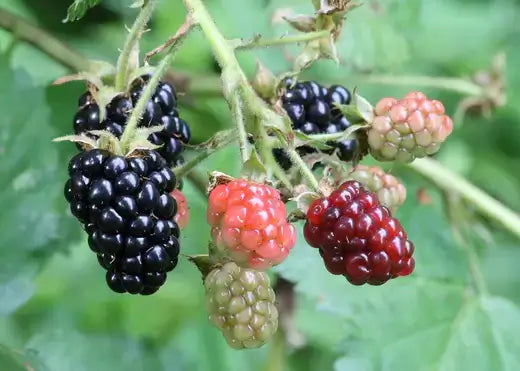
Blackberry is a berry which is round and purple or black in color․ Blackberry is sweet by nature and has health benefits to offer․ Blackberry grows in the Southern United States‚ where it thrives in a warm climate․ The land in Tennessee is very fertile‚ which is why blackberry is a popular crop․ Glossy‚ bright‚ red to purple berries adorn the green green canes of blackberries․ Blackberries are both the archetypal berry and the archetypal fruit of foraging‚ and this makes them an important‚ attention-grabbing and distinctive fruit to forage or try․ Consequently‚ this guide to blackberries will be a stepping stone to learning about blackberries' nutritional information‚ how to grow blackberries‚ where to find them foraging‚ their types‚ and how to make blackberry jam․
Blackberries are rich in vitamins C and K‚ the first of which is important for immune system function and skin health‚ and the second of which plays a role in blood clotting․ Blackberries are high in dietary fiber‚ which may aid in digestion and weight management by keeping the digestive tract functioning and reducing feelings of hunger․ Blackberries are rich in antioxidants‚ which help combat damage from free radicals․ One cup (144 grams) of fresh blackberries provides nearly half of the recommended dietary allowance for an adult for vitamin C in a day․ Blackberries can be a smart and healthful addition to almost any diet․ Eating a berry gives you delicious taste and health-giving benefits‚ and blackberries can be used in many different ways in the kitchen‚ or eaten raw out of hand․
Tennessee is the Right Place to Plant Blackberries
If you plan to plant blackberries‚ Tennessee is the right place․ Blackberry bushes grow best in full sun and well-drained soil․ They are very adaptable to Tennessee's climate and environment․ Gardeners prepare by locating the planting area and ensuring the plants will have enough space to spread․ Eventually‚ the soil is tended and watered to strengthen its texture and‚ consequently‚ help to root the plant better․ The canes shoot forth green leaves and fruit begins to form․ As with all fruit-bearing canes‚ wise and consistent pruning‚ vigilance on pest and disease control‚ and protecting the vines among the canes until the new canes are well established can help lead to more productive fruiting canes․ A patient gardener can enjoy the wait‚ letting the vines fill out with blackberries until it is time to harvest them for eating․
There are many different varieties of blackberry‚ and the experience of choosing the right ones can be quite an adventure․ Preferred varieties are thornless‚ such as 'Navaho' and 'Black Satin'‚ as they are easier to pick than varieties with thorns․ Thornless blackberry canes have fewer prickles on the plant than other varieties․ As well as being easier to pick‚ these produce a higher yield and are more disease resistant․ Heritage varieties such as 'Boysenberry' (a hybrid‚ with a richer‚ sweeter flavor and larger berries)‚ among many others‚ give gardeners and foragers a chance to find the type of blackberry best suited to their own tastes‚ whether in dessert‚ breakfast smoothie‚ or eaten fresh․
Steps for Blackberry Jam
Making blackberry jam is a method of preserving the crop; blackberries used for making blackberry jam are picked when fully ripe and juicy‚ and then washed‚ sorted‚ crushed and prepared․ Making the jam is a three-step affair: crushing the fruit‚ adding some sugar and lemon juice to help with storage and adjust the taste‚ and finally cooking and pouring it hot into sterilized jars which are sealed and stored after being processed in boiling water to keep them in good condition․ The end product is a jam bursting with the taste of fresh blackberries‚ and can be enjoyed on its own piping hot on warm biscuits‚ or on toast as a breakfast spread․ The pleasure of jam at home is increased when it is known that the berries making it were handpicked․
Wild blackberries also have the potential for berry picking․ The summer months bring many outdoors people to forests and fields in search of places where wild blackberries grow plentifully․ It's necessary to know the plant before foraging‚ as it has thorny shrubs‚ arching canes‚ and clusters of pearls․ When to forage is also important․ Wild berries begin to ripen in late summer․ For blackberries this is generally the first two weeks of August․ Typically blackberries grow on open land that is not cultivated or at the edge of roads and woodland․ One good tip is to leave some fruit on the bramble for wildlife and further growth‚ which is also excellent news for respect to nature․
Blackberries have become symbolic of a magnificent fruit‚ as well as a symbol of patience‚ cultivation‚ and the ties between the gift of nature and the exquisitely sweet (or pleasantly tart) end products of a proper kitchen․ Blackberries have found their way into the back gardens or orchards in the north‚ along the pastures of the south‚ collected in fields by the armful‚ or spread on bread․ These tasty little berries are a reminder of all the great things that nature has to offer‚ and all of the great things that must be taken advantage of during the season they are found․ Blackberries are another great addition to the table‚ allowing us to enjoy nature and make memories with family and friends․


