
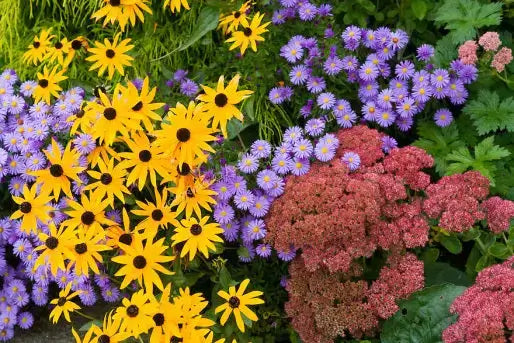
The Lasting Benefits of Planting Perennials
Perennials are one of the presents that keep giving‚ year after year‚ and are the jobs that no gardener will be able to resist․ Annual plants need to be replaced year after year‚ so perennials will save you getting your hands dirty every single season․ The fact that perennials live for a long time also makes gardening much easier and provides a variety of other benefits․ A person who loves to garden or one who is enthusiastic but does not have much experience can find many reasons to have a garden of various perennials․
Another benefit of perennial crops is maintaining soil quality‚ as annual plants overturn the soil thereby eroding it‚ while the deeper roots of perennials help cultivate the soil over time․ Some of their other functions include improving soil structure‚ improving its water holding capacities‚ and improving drainage․ The large‚ wide-ranging surface area of mangrove roots also provides an important habitat for microorganisms and other soil fauna that can provide benefits to other plants and animals․ When the perennials start to die and decompose‚ the organic material goes back into the soil‚ improving it and creating a cycle in which new plants are able to grow by using the old․
Increase Biodiversity with Perennial Plants
The presence of perennial plants can also mean other benefits are realized‚ such as an increase in biodiversity․ A larger variety of plants in a particular location means a greater variety of insects‚ birds and other wildlife that are so important to an ecosystem․ Flowering perennial plants will feed butterflies and bees‚ whilst also providing a micro-habitat of shelter and protection through the foliage and stems for any small wildlife that may be over-wintering in the garden․ Diversity in plant stock will entice more pollinating species and natural pest controllers such as ladybirds to help maintain order․ This would make the environment more like the complexity of nature's own ecosystems‚ benefiting both plants and animals alike․
Perennials have the additional advantage that‚ once established‚ they require little maintenance․ This means that a garden owner can spend more time enjoying existing plants rather than laboring to sow new flowers or weeds․ Perennials are generally more drought resistant than annual plants․ They also have access to more water‚ due to their deeper root system and perennials in general tend to be more resistant to disease and insect infestations‚ for rather obvious reasons - they've had much longer to develop such resilience․ This also means that it takes less work to tend a landscape․ This enables gardeners to create a resilient landscape and others to enjoy the limited action needed to maintain the plants in a healthy condition․
Perennials Offer Different Colors in Different Seasons
Another benefit of perennials is their ability to be visually attractive in each season of the year․ During each season of the year‚ perennials differ in their colors‚ shapes‚ and sizes․ In spring‚ a riot of flowers bloom and in summer‚ the foliage is dense‚ and many more flowers bloom‚ filling the garden with many kinds of color‚ and the air with their smell․ Many perennials have brightly colored fall foliage‚ which can provide visual interest when flowering ends․ When winter arrives‚ snow on top of some perennials can also contribute to the look of a winter landscape․ Due to the variety of textures and colors‚ perennial gardens can be visually appealing even after they have finished flowering․
Perennials are also useful for pollinators․ Bees‚ butterflies‚ and hummingbirds all require flowers as sources of food‚ particularly for the nectar and pollen they produce․ Perennials are able to provide these food sources during the flowering season over many years‚ especially when annual plants are then inedible․ A garden that provides for these species from the first flowers that emerge in spring to flowers in late summer and fall should provide food for these and other pollinators throughout their adult lives provided that it is not too early or too late for their emergence and reproduction․ In exchange‚ these hard working creatures help pollinate both wild and cultivated plants‚ thus providing us with more and healthier food‚ and more garden produce․
The benefits of planting perennials include improving soil health‚ providing wildlife habitat‚ and requiring little maintenance․ Because of this‚ perennials are a great option for novice and experienced gardeners alike to create a beautiful landscape․ The reason is that perennials are wonderful plants not only because of their beauty and incredible diversity‚ but also because they play such an important role as attractors of pollinating species and in the ecosystem as a whole․ When we add perennials‚ we beautify our world and improve the resilience and interdependence of other living things․ We are saying something‚ just by planting‚ about the land and about ourselves․


