
The Real Advantages of Planting Berry Bushes in Your Garden
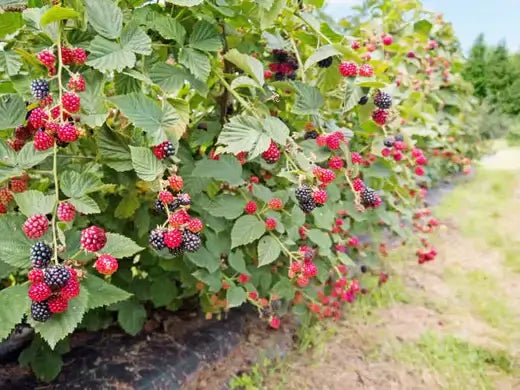
Berry bushes will give you homegrown fruit in as little as one to three years‚ cut your grocery bill on produce that is among the most heavily sprayed they sell‚ and provide the kind of four-season structure to your landscape that most flowering shrubs just can't give you․ And if you live anywhere in Tennessee or the Southeast‚ it's hard to find a climate that suits blueberries‚ blackberries‚ and raspberries better․
Let's talk about why that matters‚ and how to actually go about this․
Gardening in Tennessee's hardiness zones and planting zones
The majority of Tennessee is in USDA plant hardiness zones 6b through 7b‚ which is good for blueberries․ Blueberries require a certain amount of chill hours before buds have the potential to produce fruit․ Tennessee winters are mild enough to provide appropriate chill hour quantities‚ but not so cold that buds are killed․
Rabbiteye blueberries grow much better here‚ and are more tolerant of our clay soils‚ than the Northern highbush blueberries․ Blackberries‚ especially thornless types‚ are almost care-free once established․ Raspberries are a little more difficult in the hotter parts of the state (because they prefer cooler summers)‚ but should manage if you can find an appropriately shaded location or fall-bearing varieties․
For bare-root plants‚ plant in the dormant season‚ either late winter or early spring (February through April)․ Container plants can be planted anytime the ground is not frozen‚ but it's best to plant in spring for summertime establishment or fall for winter protection․
The Real Timeline: When You'll Actually Get Fruit
Nobody talks about this enough‚ so here it is straight: Blueberries generally don't set a crop until they're two or three years old․ For your second year‚ don't expect more than a couple of berries‚ but blackberries bear a little faster and most of their cultivars bear a decent crop the second year․ Raspberries are usually the quickest to bear fruit‚ often producing in the first full year after planting if managed correctly․
Patience is a virtue․ When selecting blueberry bushes‚ pinch off the blooms in the first year so the plant can establish roots and branches․ It feels wrong to waste blooms in the new blueberry patch‚ but stronger‚ longer-lived flowering bushes will develop later․
Money Saved‚ Flavor Gained
Mature blueberry bushes yield from 5 to 20 pounds (2․3 to 9․1 kg) of blueberries per year‚ depending on the cultivar and care and attention․ Given the price of organic blueberries at retail markets‚ this means breaking even on the cost of a shrub purchased for a few dollars within 2 or 3 seasons․
Not to mention that commercial berries are picked before they are ripe enough to ship‚ meaning those berries will never actually be as sweet as a berry ripened on the bush in your own backyard․ Homegrown blackberries, in particular, taste almost like a different fruit entirely than the ones you find at the grocery store․
You also control exactly what touches your plants․ There's no mystery pesticide residue or unknown handling between farm and store shelf․
Value Beyond the Fruit Landscape
Berry bushes have ornamental value in addition to fruit production․ Blueberry bushes have white‚ bell-shaped blooms in spring‚ while their leaves are deep green in summer․ In fall, they turn red and orange‚ making their fall color comparable to that of a lot of ornamental shrubs․ Very few fruiting plants offer that kind of visual range across three seasons․
Blackberries and raspberries growing on a fence row or property line can be used as a fence․ The thorny varieties in particular provide an effective barrier to foot traffic and deer‚ and even the thornless varieties can be effective at screening an area from view․
If resale is important to you‚ established fruiting plants can be a selling point․ Buyers notice mature landscaping‚ and a patch of berries shows that the property's been cared for over time‚ rather than planted the week before it's for sale․
Care That's Actually Manageable
Berry bushes‚ once established‚ are fairly easy to grow‚ though they have some particular needs․
Blueberries grow best in very acidic conditions with a pH level of 4․5 to 5․5․ Most Tennessee soil is neutral to slightly acidic, and a soil test will determine any need for sulfur or acidic compost when planting․ Skipping this step is the number one reason new blueberry bushes fail․
Blackberries and raspberries are not so fussy as to soil pH․ But well-drained soil is essential‚ because still water around the roots will kill the plants faster than almost anything else․ In areas with heavier clay‚ this can be accomplished with raised beds or mounding․
Beneficial for all three is a mulch (pine bark or straw works well) as this reduces weeds and retains moisture․ Late in winter‚ blueberries should be pruned to remove dead or spindly wood‚ allowing for better airflow․ Blackberries and raspberries must have their fruited canes cut down to the ground after harvest‚ since most blackberry and raspberry varieties only fruit once per cane․
Watering is most important in the first two years of root establishment․ Established bushes are quite tolerant of moderate drought‚ but fruit size can be noticeably increased by deep watering during prolonged drought․
The ecosystem benefits nobody mentions
Berry bushes are major workhorses for pollinators and wildlife․ Bees will work the blossoms in spring‚ but that same pollinator traffic benefits everything else budding out nearby within your yard․ Birds will also eat the fruit‚ and while this seems competitive‚ a good berry patch will have more than enough berry crop for you as well as the local avifauna (blackberries especially are productive)․
If you don't want to give away your whole yard but would like to offer up some of your garden to the local wildlife‚ berry bushes could be the answer․ Perfect for pollinators and birds․
Getting Started
In addition to customary bare-root and container blueberry‚ blackberry‚ and raspberry bushes that grow in Tennessee‚ TN Nursery offers elderberry and other fruiting bushes if you want to add something else to that fence line or garden border․ Choosing varieties that grow well in your area rather than simply picking up whatever is available at a big box store makes a big difference in the speed at which bushes mature and produce․
Whichever you choose‚ test the soil‚ select a late winter or early spring planting date, and understand that your first year is about roots‚ not fruit․ If you can wait‚ the harvest is coming․ It's just worth waiting for it․
"


