
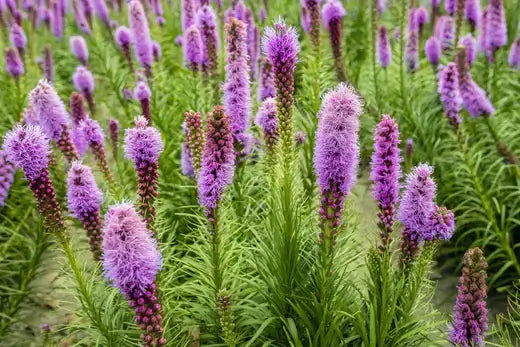
Perennial gardening can be one of the most rewarding forms of gardening for both the novice and experienced gardener․ Unlike annual plants‚ perennials come back every year․ This creates a colorful yard and a beautiful natural space year after year․ They can form the basis of a garden‚ giving a connection to the seasons and the passage of time that is more dynamic - and yet‚ due to the perennials' longevity‚ more stable․ This book is intended as a guide for a beginner to successfully grow a perennial garden from selection to maintenance․
Selecting Your Perennials
Choosing the right perennial plants for your landscape is the first step to establishing a live‚ thriving garden․ Varieties differ in requirements‚ benefits‚ and limitations․ The climate can also affect perennial varieties․ For example‚ some perennials grow best in a warmer climate while others grow best in cool conditions․ Other factors include soil type and how much sun or shade the area receives․ A good way to start is to visit a nursery or garden center and ask for advice about what plants grow in your region․ You could also choose a color scheme or consider what time of year the plants bloom‚ and arrange your garden so that you have a rainbow of colors․
After choosing your plants‚ the next big step is preparing the soil․ Soil quality is a key determining factor in growing perennials and‚ therefore‚ you need to check the quality of your soil․ Soil tests for pH and nutrient levels are performed to make the soil as conducive to good plant growth as possible․ Well-drained‚ organic-rich soil is ideal for plant cultivation․ Adding compost or well-rotted manure to the soil improves its structure by improving drainage and adding nutrients․ The soil should be turned over at least 12 inches (30 cm) deep using a shovel or garden fork‚ loosening any compacted areas․ This will create an inviting setting that will give the roots of your perennials the space to spread and flourish․
Watering Your Perennials
Another vital part of perennial care is watering․ A watering cycle must be established‚ to ensure the plant is properly watered without over saturating the soil and damaging the plant․ Newly established perennial plants usually require more water‚ and it is generally considered advisable to water thoroughly once or twice a week and let the topsoil dry out between waterings․ Depending on the species‚ plants may become drought tolerant with maturity․ It is always best to keep an eye on the plant's soil and adjust watering according to rainfall and temperature changes․ Mulch around the plants is often used to help retain moisture‚ reduce the growth of weeds‚ and keep the soil temperature even․
Also as important as knowing how much water your perennials need‚ is knowing how much sunlight they require․ You should read up on your perennials to know if they prefer full sun‚ partial shade‚ or full shade․ Be sure to observe how much sun or shade the different areas of the garden get during the day․ For example‚ some plants (like coneflowers and daylilies) require full sun to grow‚ while others (like astilbes and hostas) prefer partial shade․ Planting your perennials according to their needs for sunlight helps keep the stress on the plants to a minimum‚ and increases the likelihood of their returning year after year․
Fertilizing Perennials
Additionally‚ perennial plant care will often include fertilization during the growing season․ While there are some perennials that will survive even in less than ideal conditions‚ most perennials will benefit from the application of fertilizer at the beginning of the growing season․ A well-balanced‚ slow-release fertilizer is a great choice for most plants‚ as it will provide steady nutrition for roots‚ flowers‚ and foliage․ However‚ you should also pay attention to your plants as the growing season progresses to see if they could benefit from additional nutritional inputs․ Leaves may become yellow or stunted due to lack of essential nutrients‚ which may be replenished with a fertilizer․
Growing perennials can be a learning experience․ With the right perennials and conditions - compost-rich soil‚ regular watering‚ sufficient sunshine and moderate fertilizing - a perennial garden can be enjoyed from year to year with minimal concern․ Wildlife and visitors to your garden will be welcomed by a new and different seasonal beauty․ You will‚ in the process of learning‚ become a better gardener and develop a more deep appreciation of the natural environment around you․ Gardening‚ once you are embraced by perennials‚ is not much of a pursuit as it is a lifetime of wonder․


