
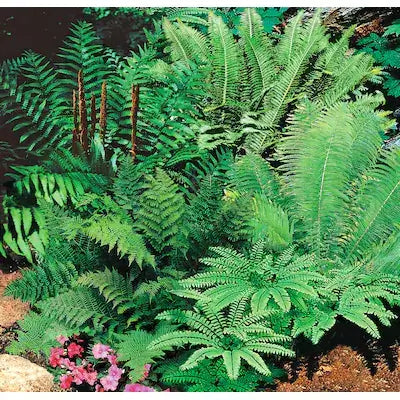
7 Stunning Ferns That Bring Texture‚ Movement‚ and Color to Your Landscape
Ferns may seem like the solution to the perennial question of what to plant in that dark and dank part of the yard where nothing else will grow‚ but the best ferns have more to bring to the table than basic shade perennial․ They have appeal beyond simply tolerating shade‚ such as arching fronds‚ seasonal color changes‚ and textures․ Here are seven of those best performers for Tennessee and the Southeast‚ and the conditions in which they will really take off․
Maidenhair Fern
The Maidenhair Fern is well known for its fan of leaflets on wiry black stems․ While it can appear too weak to be cultivated‚ it establishes well․ Though there are more than 200 species in the Maidenhair fern group (Pteridaceae)‚ those sold to home gardeners all have the same lacy‚ somewhat circular leaf appearance․
The Maidenhair grows best in partial to full shade in continuously moist‚ humus-rich soil and‚ once established‚ will slowly spread around 18 in (46 cm) apart to a height of 20 to 24 in (51 to 61 cm)․ In zone 6b-7b in Tennessee‚ it does best against a north-facing wall‚ or in the dappled shade beneath a deciduous tree: it will scorch under direct afternoon sun․ The leaves may start to brown at the edges in a few days when there is no water available‚ it is not a forget to water it for a week plant‚ otherwise it is an ideal inner houseplant which can be kept near a bathroom window where it receives more humidity than elsewhere․
Royal Fern
The Royal Fern really lives up to its name․ It grows 3 to 6 feet tall‚ probably the tallest fern you could grow in your garden․ In the late summer it sends up amber-colored fertile fronds that look exactly like spikes of flowers․ People not familiar with ferns may mistake it for a flower․
It tolerates acid‚ wet ground‚ like on the edge of a pond or in a low area of the yard that stays moist throughout the summer․ It spreads by rhizomes․ You can't plant this and expect it to slowly take over the bed like some ground covers do․ Royal Fern is hardy in zones 3 through 10‚ making it one of the most flexible of the large ferns for Tennessee․ It is also a successful species on clay or sandy soils provided that moisture and pH are within range․ If there is a rain garden or naturally boggy area on the property‚ this is an ideal fern for it․
Glade Fern
Glade Fern takes its name from the fact that it is found in forest glades in partial shade․ This should tell you exactly where to put it - a partly shaded spot under trees․
Mature plants grow between 1 foot (30 cm) and 2 feet (61 cm) tall and between 2 and 3 feet (0․61 and 0․91 m) wide and if planted at a rate of five or six to the square yard can cover ground fairly quickly making Glade Fern a good ground cover․ They grow best in moist‚ well-drained soil‚ and if the soil dries out‚ the edges of the leaves will start browning in a week or so․ Another appealing feature is brown-gold stems‚ or stipes‚ contrasting with the bright green of the fronds; the combination gives the fern more visual depth than entirely green ferns․
Christmas Fern
Christmas Fern is probably the toughest‚ most forgiving fern on this list․ Because it grows all over Tennessee‚ it is very well-adapted to our soil and climate conditions․ It gets its name from evergreen fronds which can stay green throughout the winter‚ and were used for decorations during the Christmas holidays․
The plant is a small erect fern 1 or 2 feet (30 or 61 cm) tall‚ tolerant of more extremes than most other ferns‚ including dry soil‚ deep shade and variation in pH levels․ This makes it ideal for growing under old trees where there is great competition for moisture‚ or for those who want a dry shade planting that doesn't need a lot of attention․ Once established‚ plants will go two or three weeks between rain in winter and remain healthy and unperturbed․
Ostrich Fern
If you want height and drama‚ plant the Ostrich Fern․ The fronds are vase-like in clumps‚ 3 to 5 feet (90 to 150 cm) tall and look very much like ostrich plumes‚ wide at the top and narrow below․
As the fern can spread rapidly by creeping underground stolons‚ it needs to be given sufficient space to spread or be planted in a situation where it will be appreciated for its spreading habit‚ such as at the edge of a naturalistic woodland․ It prefers moist‚ rich soils in partial or full shade․ In Tennessee‚ it benefits from shade in the middle of the day in the hottest part of summer‚ especially in the west of the state․ In early spring‚ the young unfurling fronds can be eaten as fiddleheads․ Be careful if you decide to eat edible fern fiddleheads from your own garden‚ as some lookalikes are poisonous․
Autumn Fern
The common name Autumn Fern is derived from the coppery orange of the new fronds in spring and fall before maturing to deep green․ The new fronds give the Autumn Fern more seasonal interest than the other evergreen ferns‚ which remain the same color all year․
It is not as tall as many ferns‚ reaching 18-24 in (46-61 cm)‚ and tolerating partial sun and part shade much more than many fern species․ In some cases‚ this makes it possible to plant the fern in a garden area that does not have persistent deep shade․ It tolerates average garden soils better than the more moisture-dependent species above‚ though it does not want to completely dry out between waterings․
Japanese Painted Fern
Japanese Painted Fern has a color you probably won't find in any other fern on this list: silvery-gray leaves and burgundy-red stems and veins․ It is a smaller fern‚ only reaching a height of 12-18 inches (30-46 cm)‚ so can be used at the front of the border‚ or in a pot where the color can be more easily appreciated․
It is best grown in partial to full shade in moist but well-drained soils‚ and is hardy in zones 3-8․ It is fully hardy in Tennessee․ Green-leaved ferns‚ including the Glade Fern and Christmas Fern‚ can be planted nearby to offset the silver tones of the leaves․
Getting Started
All seven ferns are available through TN Nursery‚ delivered as healthy potted starts for transplanting․ In Tennessee‚ the best times to plant ferns are spring and early fall․
"

