
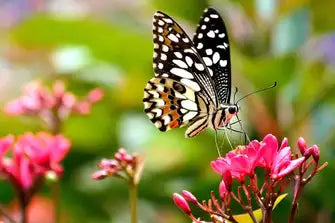
Including plants that attract pollinators will make any yard a life-filled and colorful environment that is environmentally friendly. Pollinator-friendly plants ensure the survival of bees, butterflies, and useful insects besides enhancing the health of plants, the biodiversity of soil, and the general resilience of the garden. The appropriate selection of native plants for pollinator garden settings guarantees an excellent habitat with low maintenance and flourishing season after season. Our experience with supplying pollinator plants has proven that the species that have the best results throughout Tennessee landscapes are at TN Nursery.
Why Do Pollinators Matter in Your Garden?
Pollinators are necessary in both healthy gardens and healthy ecosystems. Most flowering plants cannot set seed or fruit without them, and pollinator-friendly plants are therefore one of the most ecologically valuable investments any gardener can make.
The first step in knowing how to attract pollinators is to learn what they require, i.e., flowers with nectar, nesting sites, and the absence of chemicals in their growing environment. Gardens that do all three support significantly larger populations of pollinators than the gardens with blooms only.
Plants for a pollinator garden also enhance the health of the soil indirectly. Growth of pollinators helps in plant reproduction, enhancing root turnover, organic matter addition, and soil microbial diversity. TN Nursery always recommends the construction of pollinator gardens with known native species as the best-assured, sustainable ecological outcome. Pollination is a critical issue in ecosystems, as it is well documented in an article on pollination.
5 Beautiful Plants That Naturally Attract Pollinators
Native Tennessee plants that are pollinator-friendly have the highest predictable outcomes, as they have co-evolved with local bee, butterfly, and insect species. These five species of TN Nursery are the best plants that attract pollinators that can be utilized in Tennessee gardens.
Carolina Allspice
This is a fragrant native shrub (Calycanthus floridus), which blooms profusely with deep burgundy flowers with a spicy, fruity fragrance that attracts bees and butterflies consistently. The Carolina Allspice is a dense 6-to 10-foot-long plant with scenic leaves in summer and fall. It is among the most unique native plants for pollinator gardens in Tennessee landscapes.
Red Flowering Dogwood Tree
This is a magnificent native tree (Cornus florida) that is in flower in early spring when the pollinators have just come out of winter dormancy. The Red Flowering Dogwood Tree is 15-30 feet high and attracts bees and butterflies in early seasons, when they have a significant place on the pollinator calendar. It is one of the best plants that attracts pollinators to provide canopy-level interest to Tennessee lawns.
Maximilian Sunflower
A perennial native with a high height (Helianthus maximiliani) that grows in masses of blooms of golden yellow in the late summer and fall, when many other pollinator-friendly plants have ceased flowering. The Maximilian Sunflower is 5-10 feet tall and will produce plenty of pollen and nectar that keep the bees and butterflies alive up until the end of the season. It is an exceptional choice of plants for a pollinator garden to extend late-season pollination.
Larkspur Delphinium
This flowering perennial (Delphinium elatum) is a tall, blue-purple flowering perennial that attracts butterflies, hummingbirds, and bumblebees extraordinarily with its high rate of flowering and consistency. Larkspur Delphinium is 3-6 feet in height and contributes visually striking vertical color to mixed native plants in the pollinator garden planting in summer. It belongs to the number of the most aesthetically dramatic, pollinator-friendly plants that may be utilized in Tennessee garden borders.
Dutchman’s Breeches
A native tiny wildflower (Dicentra cucullaria) that grows in early spring and forms special white pantaloon blooms that are important sources of early nectar to newly emerged bumblebees. The Dutchman’s Breeches reach a height of 6-12 inches and naturalize well in the shaded garden areas in the woodland. It is an attractive and environmentally desirable addition to any plant to pollinate the garden collection in Tennessee.
How to Create a Pollinator-Friendly Yard?
For attracting pollinators to your yard, it is not enough to plant flowers there. Even a minor, meticulous choice of design elements can substantially influence the frequency and duration of visits of numerous pollinators.
- Grouping: Plant together and not sparsely in blocks of 3 or above. The plants that attract pollinators should be grouped, not scattered. Plants planted in groups are much more noticeable to passing pollination insects than single plants.
- Increase the length of the flowering period: Choose plants that attract pollinators to bloom at a different time of the year—early spring and late fall—so that the availability of nectar and pollen is maintained throughout the growing season.
- Do not use pesticides: That is because the useful insects upon which the native plants for a pollinator garden setting are reliant are killed by the chemical treatments. Organic farming methods safeguard pollinators throughout their life cycles, which are emphysematous and throughout adult life.
- Provide water: An inch-deep water dish with pebbles is a safe drinking pool for bees and butterflies, a very simple but very effective measure in getting pollinators in the yard, and a natural one.
Easy Care Tips to Support a Healthy Pollinator Habitat
Pollinator-friendly plants are the ones that can be grown with little intervention and planted in suitable locations with the right site conditions. These are basic practices that maintain pollinator gardens healthy and productive every year.
- Mulch exceptionally: Add 2-3 inches of compost or organic matter around all pollinator-attracting plants to keep soil moist, maintain temperatures, and sustain helpful soil organisms in the process of breaking down.
- Deadhead selectively: Mark as removed on repeat-flowering species: deadhead so as to prolong production, but leave some seed heads over winter to feed and nest overwintering insects.
- Abandoned leaf litter: A large number of native bees overwinter in fallen leaves and hollow stems. One of the most effective actions in attracting pollinators to your yard each and every year is to leave some natural debris over the course of winter.
- Divide perennials: Perennial plants should be divided into pollinator garden varieties every 2-3 years to ensure healthy flowering and avoid congestion within the already existing beds of pollinators.
TN Nursery suggests the mixture of early-, mid-, and late-season plants to provide the most effective, biodiverse, and productive pollinator habitat across Tennessee gardens.
Conclusion
A Tennessee yard becomes an ecologically rich and colorful habitat by planting the appropriate pollinator-friendly plants. Pollinator-attracting plants nurture bees, butterflies, and helpful insects and enhance soil conditions and biodiversity in gardens naturally. TN Nursery provides reliable quality plants such as Carolina Allspice, Red Flowering Dogwood Tree, Maximilian Sunflower, Larkspur Delphinium, and Dutchman's Breeches, as they all have been documented to provide bright pollinator habitats in Tennessee.
FAQs
What is the best plant to attract pollinators?
Some of the finest plants that will bring pollinators and give reliable and consistent results throughout the season in Tennessee gardens are Carolina Allspice and Red Flowering Dogwood.
How to attract pollinators naturally?
The three most helpful measures in how to attract pollinators naturally include planting different pollinator-friendly plants in clusters, avoiding the use of pesticides, and having a water source.
How to get pollinated plants in a garden?
Plant native plants in pollinator garden environments in such a way that they will bloom over a variety of seasons so that there is always a supply of nectar to keep the pollinators coming back.
Are pollinator plants low-maintenance?
Yes, the plants used in a pollinator garden are mostly native species that need little watering, little fertilizing, or subsequent maintenance when established.
Which nurseries specialize in pollinator plants near me?
A TN nursery deals in pollinator-friendly plants, which are known to grow well in the Tennessee landscape conditions.
Where can I buy pollinator-friendly plants online?
TN Nursery has a large variety of plants that appeal to pollinators, such as all of the species listed above, and expert advice is provided about how to successfully attract pollinators to your yard.


