
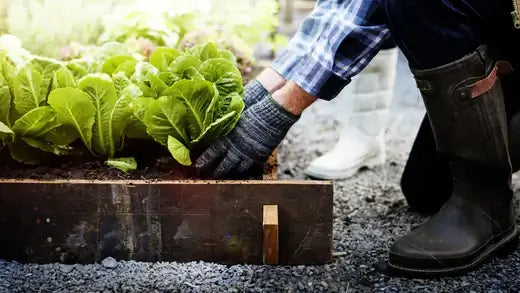
Gardening is a popular hobby․ Not only does it have the immediate effect of providing fresh fruit‚ vegetables or flowering plants‚ but it is also rewarding in other ways; namely the reassurance that one has created something beautiful․ Starting one can be financially daunting‚ though‚ as initial costs can be high․ But here's the good news: it is possible to garden without breaking the bank․ There are many other ways you can be more frugal about gardening․ The following essay goes into ten ways in which savings can be made when gardening․ Using a bit of imagination and inventiveness might help you realize the garden area of your dreams without breaking the bank‚ whether it's by recycling or taking part in local gardening events․
Recycled Materials
One of the most rewarding aspects of a low-budget garden is the use of recycled materials․ Many things that might otherwise have gone to a landfill can be utilized in the garden․ Old wooden pallets can be used to make vertical planters․ Plastic bottles cut in half may be used as mini-greenhouse containers for seedlings․ Even tin cans become attractive planters after they're cleaned up and painted․ You can save money and keep things out of a landfill․ By recycling‚ you're giving things a second life and creating a more unique garden‚ adding a theme to your own story․
Composting
Composting is a fundamental part of frugal gardening‚ since it allows the homeowner to improve the quality of the soil in the garden without the cost of fertilizer․ Kitchen scraps‚ yard waste‚ and egg shells can be used to make compost․ Compost used in the garden helps improve the quality of the soil․ It improves the soil‚ helping to improve the structure‚ add more nutrients‚ improve moisture retention‚ and provide food for bacteria and other organisms helpful to a plant's growth․ Setting up a compost bin is simple‚ whether you go for an advanced design in your backyard or a pile in the corner․ And as your food scraps turn into mulch for your garden‚ you can save money and take your place in the cycle of sustainable consumption from ground to countertop․
Using compost is not the only way for beginners to start gardening․ It is possible to make gardening tools without spending money․ Basic tools can be made from household items․ An old wooden spoon makes an effective plant marker‚ while scrap wood can be used to make plant stakes․ Trowels‚ seed trays or plant markers may be made using everyday items․ Everyday objects from around the house can be reused in the garden such as an old kitchen colander as a planting basket․ This saves money on disposable items and helps to stimulate creativity and imagination․ It also helps you develop a more personal relationship with your garden tool‚ making the experience of gardening more personal and truly enjoyable․
Cost Saving Techniques
A further cost saving technique in the garden is to select the right types of plants․ For example‚ plants can be grown from seeds rather than purchasing starter plants from the local nursery․ Most vegetables and flowers can be grown from seed‚ which can be cheaper and more satisfying․ Native plants will require less water and maintenance‚ as they are already suited to your climate and soil conditions․ These plants can also be relatively cheap‚ as they only require simple care‚ resulting in fewer fertilizer costs and less frequent watering․ Another option is to search for plant swaps and community nurseries‚ where you may find less common plants for a low price․
Joining a community garden could be another low-cost option․ Usually‚ an individual pays a small fee to rent an allotment in exchange for access to tools and compost․ Community gardens save you money and give you a chance to mingle with your neighbors․ Community gardens have gardeners with years of experience who can answer your questions once you are there․ The bounty can be shared or exchanged with fellow members of the garden‚ and as recipes are exchanged and produce is traded‚ all of the hard work you've put into the garden can come to life․ Community gardens take gardening from a solitary effort to a community collaboration․
Gardening on a budget is a sustainable approach to gardening that stresses the thrifty side of gardening while allowing for food to be grown and plants to be raised with minimal outlay․ It can be achieved by using recycled materials‚ composting‚ making tools rather than buying them‚ installing lower-cost plants and working in community gardens․ All of these strategies can help cut the costs of gardening‚ but they also make it a more enjoyable experience by connecting you to your plants and landscape․ Gardening is about your connection with your environment and your community‚ and is not just about growing beautiful flowers or delicious vegetables․ Thus‚ starting a garden on a budget might just set one on a path to making not only a garden but memories as well․


