
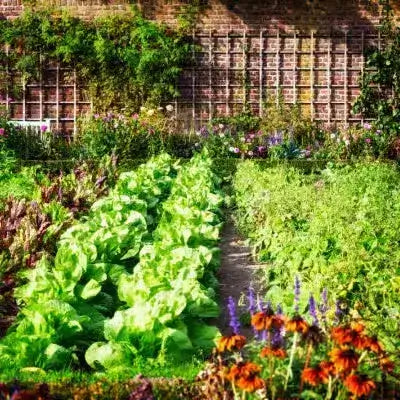
Choosing Native Plants for your Natural Garden.
Gardening is a satisfying hobby that allows us to become closer to nature․ It offers the opportunity to grow beautiful flowers as well as edible fruits and vegetables․ For beginners‚ gardening can be both fun and daunting․ Even so‚ a few basic concepts are all it takes to make your gardening adventures something you will anticipate․ The ten natural gardening tips presented here offer novice gardeners a base upon which to build a sustainable gardening system․ Thus‚ beginners who follow the guidelines above can grow flourishing‚ sustainable gardens while developing a love for nature that lasts a lifetime․
Perhaps The most important decision for any beginning gardener is what plants to select․ Native plants are a good choice for the garden as they are adapted to the local climate and soil․ Being more adapted to the local climate‚ they require less water or fertilizer than non-natives․ Native plants can provide habitat for other native species‚ such as bees‚ butterflies and birds‚ that are needed for a balanced ecosystem․ If you want to be more successful at gardening and improving your local natural biodiversity‚ try using native plants in your garden․ Ask your local nursery or conservation group what native plants grow well in your area and get your native garden started․
Of all the things that a gardener can do‚ soil preparation is one of the most rewarding‚ yet most often neglected by the beginner․ Plants grow best in good soil‚ so it is well worth doing․ Test the soil for the pH level and the nutrients your plants require․ You may have to amend the soil with compost or other organic matter as needed‚ depending on the outcome of the tests․ Compost adds nutrients and moisture and becomes habitat for helpful organisms and microorganisms․ A compost pile is relatively simple to start and maintain at home with kitchen and yard waste․ This will improve your soil for planting‚ and in the long term‚ create a sustainable and more environmentally friendly practice by reducing the amount of waste sent to landfills․ Happy plants equals happy gardening․
Watering Your Garden Wisely
Many of us amateurs have forgotten the old adage that increases in production are always better‚ but more clever watering can yield more vigorous crops and make better use of water․ As with any watering‚ it's best to develop a schedule appropriate to the needs of the plants involved․ Almost all plants prefer to be given deep‚ infrequent watering rather than frequent shallow hits of water․ Watering is generally best done in the morning; plants will absorb water before the sun causes it to evaporate․ Rain barrels can be used to collect rainwater․ This will help you reduce reliance on the city water supply‚ lower your water bill‚ and provide plants with chemical-free‚ natural water․
The way your garden is designed can affect your chances of success‚ so always remember that the space you have can be very useful․ Look at where sunlight hits your yard․ Plants that need the same amounts of water and sunlight look nicer together‚ and are easier to care for․ Such vertical systems as trellises and hanging pots make the most of little garden space․ This will not only be helpful for the aesthetic design of the garden‚ but with careful planning it can also provide an avenue for air to reach between plants‚ which will help keep your garden healthy and free of disease․
Mulching Advantages When Gardening
Mulching is another good option and can be used by beginning gardeners․ Organic mulch (straw‚ wood chips‚ or shredded leaves) suppresses weeds‚ retains soil moisture‚ and‚ as it breaks down‚ improves the quality and texture of the soil․ Mulch helps soil temperature stay at an average temperature‚ ensuring plant roots do not experience extreme temperature fluctuations․ Over time‚ mulch will break down to provide nutrients to the soil to continuously nourish the plants․ Make the most of mulching by choosing a type that will save you time weeding and watering‚ and one that will create great conditions for your plants․
Don't worry if you're a beginner gardener․ Every expert was once a beginner․ You just need to learn and improve over time‚ and you're more likely to become better if you accept your mistakes․ And don't worry about making mistakes․ As you learn more about growing plants and gardening‚ it will add to your skills․ Gardening brings you closer to nature and the cycles of life․ As you gain experience‚ your confidence will also grow․ Take pride in what you have grown from seed to plant and let your garden reflect your journey․ With these ten natural gardening tips‚ you are well on your way to creating a beautiful space that will not only green your surroundings but also improve your soul․


