
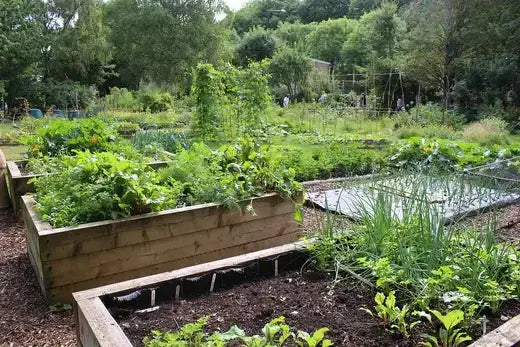
A gardener can have a sense of achievement and huge satisfaction in gardening work․ Even more so when the gardening process is organic gardening it benefits with healthy and delicious fruits and vegetables and it gives a feeling of oneness with nature․ Starting organic gardening is a wonderful and satisfying experience․ But before doing so‚ beginners should follow specific tips to simplify all the processes and make them more enjoyable for themselves‚ such as learning the types of plants‚ soil‚ and other aspects affecting the garden․ In this article‚ ten tips are presented to help beginners with organic gardening and creating a successful garden from the start․
Climate and Conditions
Choosing plants according to the local climate or local conditions in the garden is one of the first steps in organic gardening‚ and knowing which are the most suitable varieties to grow in an area is an important start for beginners․ After talking to local gardening groups and visiting a few local garden centers‚ one learns what plants do well‚ given the climate and which crops to consider starting with for cooking and eating․ Juicy tomatoes‚ crisp lettuce and fragrant herbs are a good start and they may even whet the appetite and encourage new gardeners to dig their hands into the dirt․ Beginners should consider growing plants that are compatible both with their local climate and their individual palate․
Understanding soils is equally as important as understanding plants․ Every plant must be grown in soils that provide the right nutrients‚ and can vary from sandy loams to clay․ Those that wish to practice organic gardening often may want to determine the pH and nutrient levels of the soil in order to alter its composition and improve its structure and nutrient levels as much as possible․ Organic matter can be added to the soil to improve its quality․ Organic matter is decaying plant and animal material‚ such as the kitchen scraps and leaves often used in compost‚ and adds nutrients to the soil while providing a good environment for plant growth․ This produces food for the plants as well as helpful soil microorganisms in the soil‚ creating a diverse ecosystem for healthy plant growth․
Sunlight
A critical consideration in organic farming is the proper amount of sunlight for the entire growing season․ The source of energy for photosynthesis‚ sunlight is‚ essentially‚ what drives growth and gives plants vitality․ A new gardener pays attention to a site during the course of a day and notes which areas are sunny all or part of the day‚ and which are shaded from the sun‚ to make the best use of sunny spots by planting sun plants into the sunniest and shading plants that require less light into the shaded spots․ Planting different crops seasonally and adjusting for varying light conditions help with active success․
Organic Fertilizers
Fertilizers are an important part of keeping plants and soil healthy․ In organic gardening‚ organic fertilizers (derived from plant or animal residues) are used‚ as chemical fertilizers which can become toxic to soil and eventually the wider environment․ For organic gardening‚ fertilizers include compost‚ well-rotted manures‚ and fertilizer composed of animal and/or vegetable matter plus minerals high in the primary macronutrients of nitrogen (N)‚ phosphorus (P) and potassium (K) for plants․ Various types of organic fertilizer are available to gardeners․ Gardeners should be aware of applicable types‚ and the times of application and useful application methods․ For example‚ slow-release fertilizing options can be used at plant time for the whole season․ Soil testing at regular intervals can prevent overapplication of fertilizer and help farmers know if and how much fertilizer to apply to the soil․
One of the basic organic gardening concepts is that the ecosystem of the garden needs to be a healthy one․ A plant diversity will help improve the ecology of the garden by hosting pollinators and predatory invertebrates that can combat insect pests․ Companion planting is the practice of growing two (or more) plants together to the benefit of at least one of them‚ such as marigolds deterring predatory insects from attacking a garden or beans fixing nitrogen for other plants․ Instead of resorting to synthetic pesticides‚ ladybugs or nematodes can be used to combat such pests․ For the novice‚ the advantages of using these methods and promoting a balanced ecosystem will result in larger and healthier harvests in the future․
Simply put‚ organic gardening is simple enough for the most inexperienced gardener to start digging their hands in the dirt and gaining the fruits of their labors․ By learning which plants grow in a specific environment and matching them with the soil‚ light‚ organic fertilizer and the ecosystem‚ an inexperienced gardener can easily learn to garden․ Gardening is a complex art that can be approached by anyone․ Patience‚ knowledge‚ and care are all critical elements that can help create a lush‚ beautiful‚ and fruitful garden․ Following these simple steps and exploring the world of organic gardening can set a beginner on the right path towards achieving a rewarding and environmentally helpful garden‚ as well as a greater sense of responsibility to the world․


