Wild Ginger Plant Details
Wild Ginger Perennial (Asarum canadense) – Native Shade Ground Cover
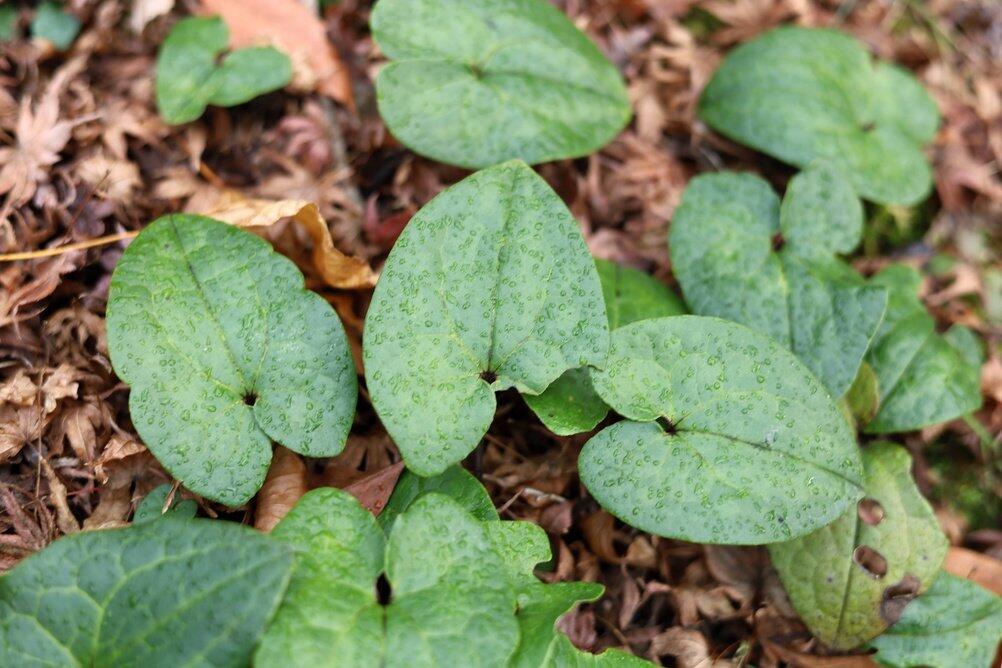
Wild ginger (Asarum canadense) is a perennial flowering plant in the family Aristolochiaceae․ It is found in woodlands in North America‚ preferring shade and damp soil for growth․ Its heart-shaped leaves are close to the ground‚ forming a green carpet-like covering that spreads across the forest floor; it is commonly found in the understory where plant growth is difficult․ Wild ginger is not only a decorative plant․ It plays an important role in the ecosystem by being a food source for many insects and other organisms that may dwell on or within the plant‚ and can be a good choice for a garden․
Flower Characteristics
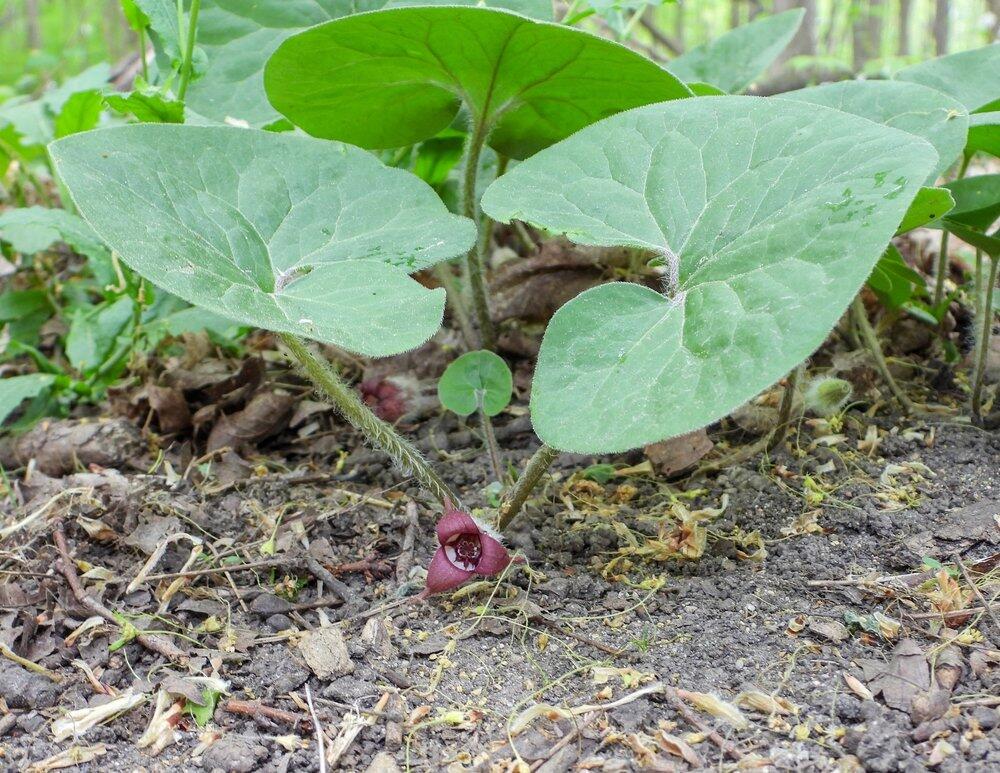
One of the unique aspects of wild ginger that sets it apart from other flowering plants is the unusual appearance of its flowers‚ which are quite dull in comparison․ They are cup- or bell-shaped‚ brownish-purple or dark maroon․ The innermost part of the flower is a darker color than the outer petals which causes it to stand out to pollinators such as bees who would otherwise come across similar flowers․ The flowers are mostly unseen until early in the season as they are found under the leaves․ They are a surprise waiting to be found by those who take a closer look at the plant‚ and this interesting arrangement of flower and foliar sculpture is one of the aspects of wild ginger that attracts a lot of interest․
Asarum Canadensis Growth Habit
Other considerations include the plant's preference for well-drained‚ rich and moist‚ but not wet‚ soil‚ in partial to full shade․ Wild ginger flourishes in this environment․ Wild ginger is a perennial plant‚ dying back in winter and regrowing in spring․ It is relatively low-maintenance as a ground cover plant‚ and it can spread on its own‚ forming dense colonies as the rhizomes spread over time․ The habit of wild ginger‚ which grows low to the ground‚ makes it a suitable ground cover plant․ It can be useful in an area where normal grass would be unable to live‚ and it can also be combined with other plants for a multi-layer effect in the garden․
How to Plant Wild Ginger
Wild ginger is easy to grow and care for if it is grown in a setting similar to its natural habitat‚ which includes lots of shade and moisture in the soil․ Gardeners should also consider adding organic matter like compost to the soil to help provide nutrients to the plant․
It is important to leave one foot (30 cm) space between the rhizomes when planting them to allow natural growth‚ and to provide extra watering during dry spells after planting to support growth of the plants․ Once established‚ wild ginger is low-maintenance‚ making it suitable for people who want to have beautiful plants in their landscape‚ but do not want to perform intensive garden labor․
Uses in Landscaping
Wild ginger has many ornamental uses‚ in particular for planting under trees‚ as it is tolerant of shade and also of less than optimal light levels in its environment․ It may develop a dense green mat on the forest floor‚ which smothers weeds and is therefore easier to maintain․ Wild ginger's distinctive flowers provide interest in spring in shade gardens․ It is also suitable for woodland gardens‚ due to its natural appearance and the fact that its flowers attract a variety of pollinators‚ helping to foster biodiversity in the woodland surroundings․
How to Plant Bare-Root Wild Ginger
Soak the bare roots in water for approximately one hour before planting. Select a shaded location with rich, moist, well-drained soil. Dig a hole sufficient and large enough to spread the roots naturally without bending or crowding them.
Position the rhizome horizontally with the growing buds facing upward. Cover it with 1 inch of soil, gently pack the loose soil around the roots, and water thoroughly. Space the perennial plants 12 -18 inches apart to allow room for them to spread into a natural ground-covering colony.
How to Care for Asarum canadense
Water wild ginger regularly during its first growing season to help the roots become established. Keep the soil moist, especially during hot or dry weather, but don't let the roots sit in soggy soil.
Once established, wild ginger requires very little maintenance. A yearly application of compost or shredded leaves can help recreate its natural woodland environment. Fertilizer is generally unnecessary when the plant grows in healthy, organic-rich soil.
Wild ginger naturally dies back after frost and returns from its underground rhizomes in spring. You can divide plants every few years to control their spread or establish them in another shaded area.
Why Buy Wild Ginger Perennials?
Wild ginger is an excellent choice for gardeners who need a dependable native ground cover for difficult shady areas. Its heart-shaped foliage fills bare spaces, complements other woodland plants, and creates a soft, natural appearance beneath trees and shrubs.
This resilient perennial returns every year and gradually forms an attractive colony without requiring extensive care. With shade, rich soil, and consistent moisture during establishment, wild ginger provides lasting beauty and valuable ground coverage throughout the growing season.