Skip to product information

Milkweed Plant

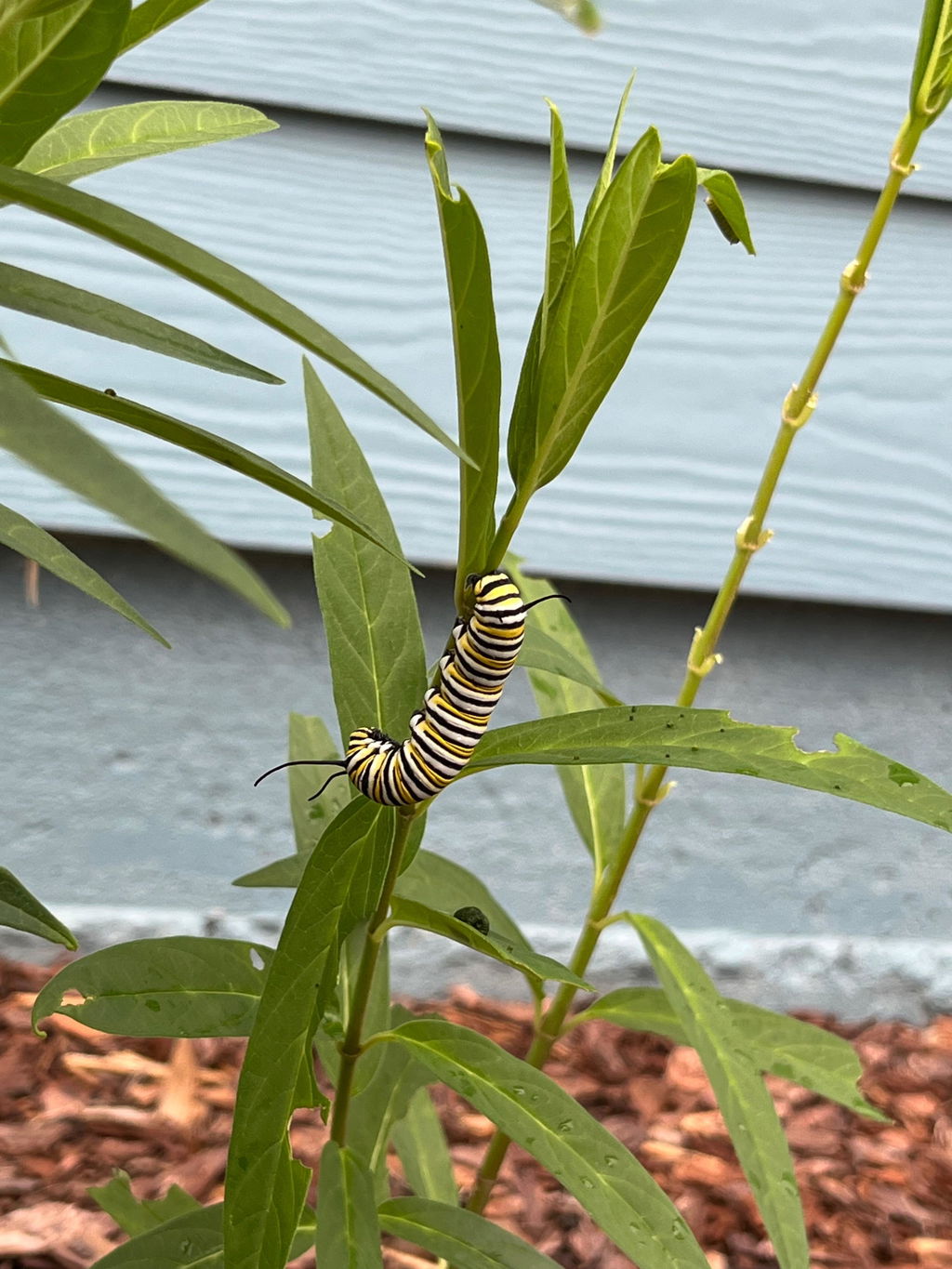
The milkweed plant is one of the most important native plants you can grow in your garden. This is the only host plant for monarch butterflies; milkweed provides the food monarch caterpillars need to survive. If you want to attract butterflies and support pollinators, adding milkweed to your landscape is a simple and powerful step. Plants produce clusters of fragrant flowers that bloom in summer. These blooms attract butterflies, bees, and other pollinators. Monarch butterflies lay their eggs only on this plant’s leaves. Once the eggs hatch, caterpillars feed on the plant. Without milkweed, monarch populations cannot thrive. Planting native milkweed helps restore natural habitats and supports local ecosystems.

Variety
Quanitity
$8.99

Add 1 and we will send you the 2nd product automatically

Fast Shipping Nationwide
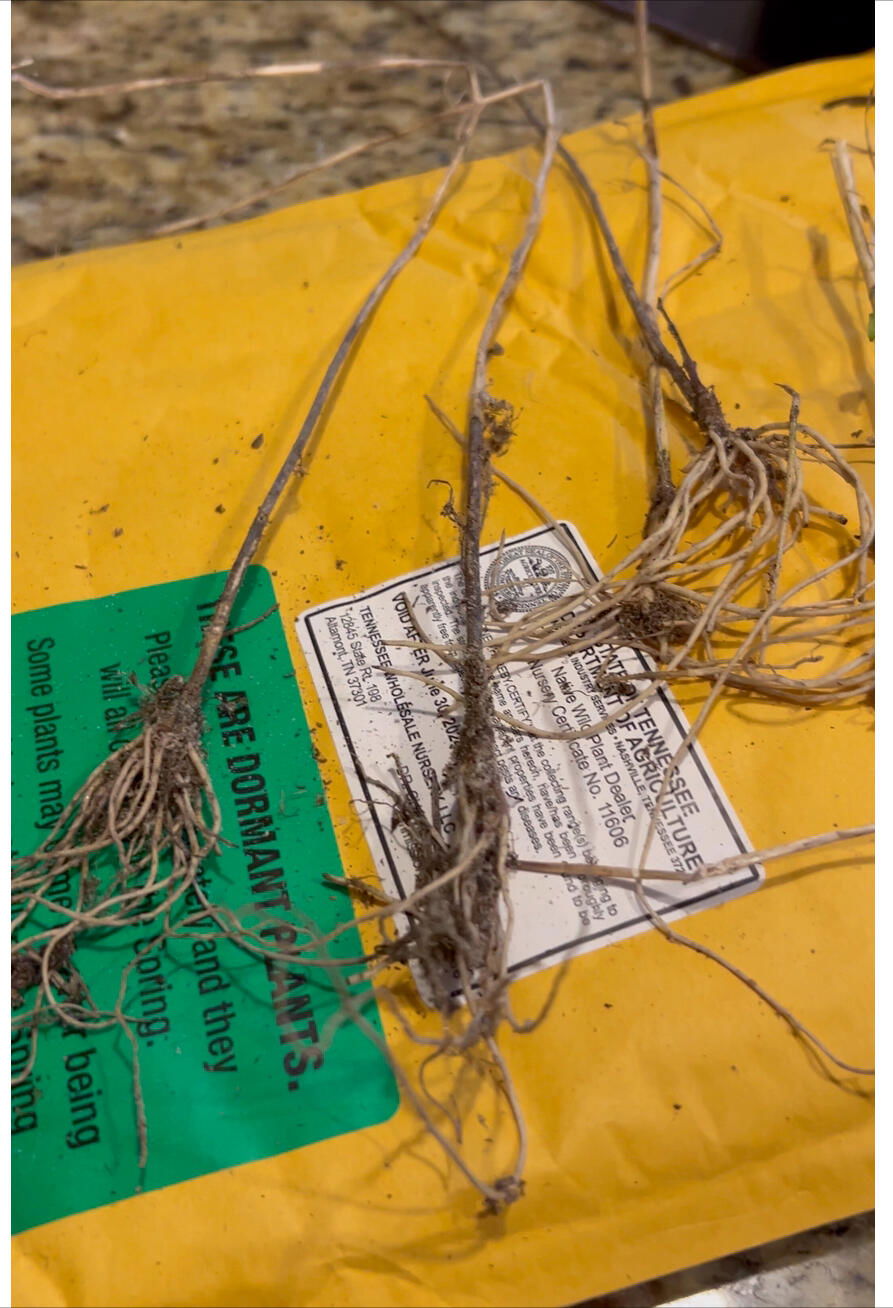
Healthy Bare Rooted
Safe Ship Moisture Packed
Guaranteed Grower Direct

Hassle-Free Guarantee

WE GUARANTEE ALL PLANTS TO ARRIVE IN EXCELLENT CONDITION

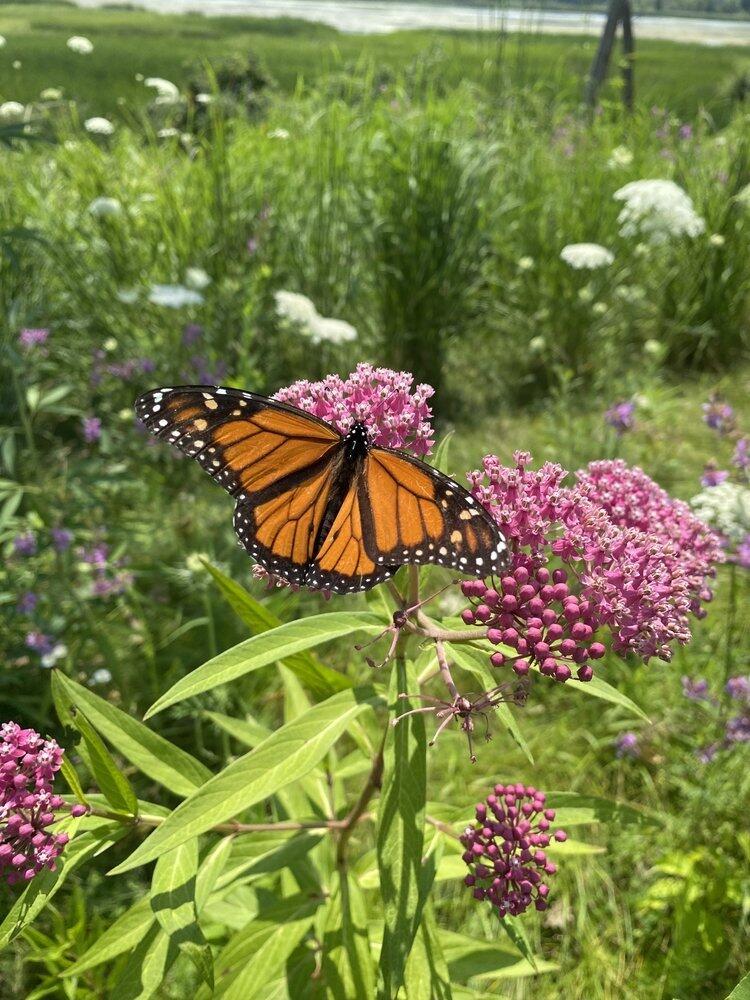
Vibrant pink milkweed flowers with star-shaped blooms and dark centers
1/5

Planting & Growing Information

Ships

7-10 Days

Planting Zone

3-10

Height at Maturity

Over 12"

Water Needs

Moderate

Sun or Shade

Full sun

Bloom Season

Summer

Care

Milkweed plants thrive in well-drained soil and prefer a moderate amount of water. They’re drought-tolerant once established. Prune dead stems in late winter to early spring. They attract pollinators and provide habitat for monarch caterpillars. Avoid over-fertilizing.

Exposure

Milkweed plants thrive in full sun, requiring at least 6-8 hours of direct sunlight daily. They prefer bright, sunny locations with well-draining soil, promoting robust growth and attracting pollinators such as monarch butterflies.

Plant Attributes

#1 Flower for Monarchs , Super hardy & low maintenance, Long blooming season perennial

The milkweed plant is one of the most important native plants you can grow in your garden. This is the only host plant for monarch butterflies; milkweed provides the food monarch caterpillars need to survive. If you want to attract butterflies and support pollinators, adding milkweed to your landscape is a simple and powerful step. Plants produce clusters of fragrant flowers that bloom in summer. These blooms attract butterflies, bees, and other pollinators. Monarch butterflies lay their eggs only on this plant’s leaves. Once the eggs hatch, caterpillars feed on the plant. Without milkweed, monarch populations cannot thrive. Planting native milkweed helps restore natural habitats and supports local ecosystems.

Planting & Growing Information

Ships

7-10 Days

Planting Zone

3-10

Height at Maturity

Over 12"

Water Needs

Moderate

Sun or Shade

Full sun

Bloom Season

Summer

Care

Milkweed plants thrive in well-drained soil and prefer a moderate amount of water. They’re drought-tolerant once established. Prune dead stems in late winter to early spring. They attract pollinators and provide habitat for monarch caterpillars. Avoid over-fertilizing.

Exposure

Milkweed plants thrive in full sun, requiring at least 6-8 hours of direct sunlight daily. They prefer bright, sunny locations with well-draining soil, promoting robust growth and attracting pollinators such as monarch butterflies.

Plant Attributes

#1 Flower for Monarchs , Super hardy & low maintenance, Long blooming season perennial

Conserves Native Species

Supports the conservation of monarchs and other native species, promoting environmental sustainability.

Monarch Butterfly Magnet

Milkweed attracts and supports monarch butterflies, making it essential for butterfly gardens.

Supports Biodiversity

Attracts various pollinators, promoting a healthy and diverse garden ecosystem.

Aesthetic Appeal

Features vibrant pink to mauve flowers, adding striking color and texture to gardens.


Frequently Asked Questions

Does milkweed come back every year?


Yes, milkweed comes back every year as a hardy perennial. It regrows from its roots each spring, producing fresh stems and leaves. Once established, it reliably returns and provides vital habitat for monarch butterflies and other pollinators.

Where is the best place to plant milkweed?

The best place to plant milkweed is in full sun with well-drained soil. It thrives in open areas like meadows, gardens, and along fences where it gets plenty of light. With the right spot, it grows strong and attracts butterflies all season long.

Should I cut down milkweed in the fall?

Yes, you can cut down milkweed in the fall after the stems have dried and seeds have dispersed. Trimming it helps tidy the garden and encourages healthy regrowth in spring. The plant will return strong and ready to support butterflies next season.

Why Buy Bare Root Plants From TN Nursery?

Since 1959, TN Nursery has grown and shipped quality bare root plants nationwide. Shipped during dormancy, bare-root plants develop strong root systems and establish quickly. Our experienced team carefully harvests and packages every order, providing growers with trusted plants backed by over 65 years of nursery experience.

Learn More About

Bare root trees

Customer Reviews