Jeff Staggs
Plant looked healthy with nice roots system.

Spice Bush
4-9
Under 10 Feet
Moderate
Partial shade
Late Spring to Early Summer
Northern Spicebush (Lindera benzoin) thrives in well-drained, moist soil. Prune lightly to preserve shape and release any dead or damaged branches. Mulch around the base to retain moisture and suppress weeds. It benefits from occasional fertilization in spring.
Northern Spicebush (Lindera benzoin) thrives in partial to full shade. It prefers dappled sunlight or filtered light, making it ideal for woodland gardens or shaded areas. It can handle some dawning sun but prefers protection from the harsh afternoon rays.
Embodies beauty and fragrance , Very hardy and disease resistant, Exquisite foliage and blooms
Jeff Staggs
Plant looked healthy with nice roots system.
Lari
I was stunned to see the size of these shrubs, in particular the size of the roots! They should do very, very well in their new ground!
Jill Matthis
The plant arrived bare root and without leaves. It is large and appears healthy. It is now planted and watered daily. I look forward to seeing leaves and swallowtail butterflies. Thank you!
About this plant
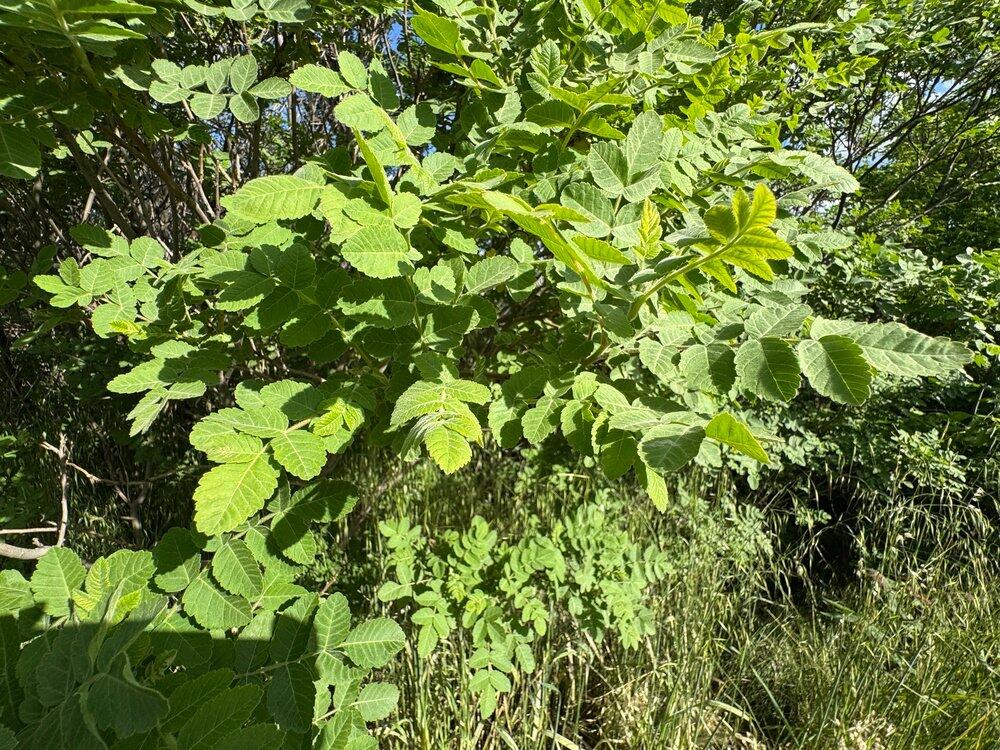
Crush a spicebush leaf between your fingers and you'll smell why early settlers used it as a substitute for store-bought allspice. That spicy fragrance comes from Lindera benzoin, a native understory shrub that reaches 6 to 12 feet, opens small yellow flowers along bare stems in early spring, and turns a soft gold before dropping its leaves each fall. TN Nursery ships it bare root, Buy 1 Get 1 Free, in 1–2 ft and 2–3 ft sizes, hardy across USDA zones 4–9.
It goes by a few names in the nursery trade — northern spicebush, common spicebush, Benjamin bush — and belongs to the laurel family (Lauraceae), the same family as sassafras and the bay laurel used in cooking. In the wild it grows as forest understory from Maine down to Florida and west into Texas, almost always tucked under taller trees along streams and in damp bottomland.
If you've ever wondered how to actually attract spicebush swallowtail butterflies rather than just hope one flies by, the answer is this shrub. Its caterpillars eat almost nothing else, which makes a planted spicebush less of a decoration and more of a nursery for the next generation of butterflies. The promethea silkmoth relies on it too. Plant one spicebush and you've effectively adopted a small ecosystem.
The early yellow flowers matter for the same reason — they open before most garden plants have even leafed out, so native bees get a meal when almost nothing else is offering one.
Spicebush is dioecious: an individual shrub is either male or female, and only the females carry the glossy red berries that ripen in September. A single plant will still flower, leaf out, color up gold in October, and feed the swallowtail caterpillars just fine — but if berries are the goal, plant two or more so there's a reasonable chance one turns out female.
Give it partial to full shade and soil that stays consistently moist — think the edge of a wooded lot, not a baked, open bed. It isn't fussy about soil texture and grows in clay, loam, or sandy ground as long as moisture is there. A sunnier spot works too, provided the roots don't dry out, and usually rewards you with a denser shrub and more berries.
One more point worth knowing before you plant: deer tend to leave spicebush alone. The same aromatic oils that make the leaves smell good to us apparently don't appeal to them, which is useful if you're planting near a wood line where browsing pressure is high.
Spicebush arrives dormant and bare root, which means no soil, no pot — just a plant ready to go into the ground anytime from late fall through early spring. Soak the roots for a couple of hours before planting, then set the crown level with the surrounding soil in a hole twice as wide as the root spread. Backfill, water it in well, and mulch 2–3 inches deep without piling mulch against the stems. Space multiple plants 6 to 10 feet apart if you're building a hedgerow or a woodland grouping.
In a shaded native planting, spicebush works well near an eastern redbud, which blooms around the same time in spring, or witch hazel, which picks up native flower color again in late fall. Christmas fern fills in the shaded ground underneath with evergreen texture through winter. For more options, our shrub collection and pollinator plants cover similar ground.
Botanical name: Lindera benzoin
Family: Lauraceae
Mature size: 6–12 ft tall and wide
Growth rate: Moderate, roughly 1–2 ft a year
Light: Partial to full shade; tolerates more sun with consistent moisture
Soil & water: Moist, organically rich; adapts to clay, loam, or sand
Bloom time: March–April, before leaves emerge
Flower color: Yellow
Fall color: Golden yellow
Fruit: Red, on female plants only, ripening September–October
Zones: 4–9
Native range: Eastern North America
Ships as: Bare root, 1–2 ft and 2–3 ft
Notable traits: Deer resistant, fragrant foliage, swallowtail host plant, shade tolerant
Most mature shrubs settle in around 6 to 12 feet tall and roughly as wide, with a loose, rounded shape.
Yes — better than most flowering natives, in fact. It's naturally an understory plant and does fine beneath established trees.
Rarely. The aromatic leaves seem to discourage browsing, which makes it a sturdy choice for the edge of wooded areas.
It's the primary host plant for the spicebush swallowtail and also supports the promethea silkmoth.
Since only female plants fruit, planting two or more improves your odds of ending up with at least one female and a berry display.
Small yellow blooms open in March or April, ahead of the leaves.
TN Nursery has grown native plants on our own Tennessee ground since 1959 — more than 65 years now — and our trees and shrubs have gone into projects at the Washington Monument and Arlington National Cemetery. We field-grow spicebush, dig it while dormant, and ship it bare root so it settles in fast. For more reading, see Best Native Pollinator Plants for Fall Gardens or Types of Native Shrubs and Hedges on our blog.

Since 1959, TN Nursery has grown and shipped quality bare root plants nationwide. Shipped during dormancy, bare-root plants develop strong root systems and establish quickly. Our experienced team carefully harvests and packages every order, providing growers with trusted plants backed by over 65 years of nursery experience.
Learn More About
Bare root trees
Aromatic Foliage:
The leaves release a pleasant fragrance, adding a sensory delight to your garden.
Low Maintenance:
Northern Spice Bush is hardy and easy to care for, making it a great choice for both novice and experienced gardeners.
Attractive Flowers:
Clusters of small yellow flowers in spring provide a burst of color and visual interest.
Vibrant Berries:
Red berries appear in the fall, adding seasonal color and attracting wildlife.
Fall Digging
Spring Digging
Packing Orders
Customer Unboxing Video
⭐⭐⭐⭐⭐
I’m very pleased with the Spice Bush I ordered from TN Nursery. It arrived in good condition and was packed carefully, which I really appreciated. It looks healthy and has settled in nicely since I planted it. I’m excited to watch it grow and add some more character to the garden. Definitely glad I ordered it!
I really like the natural, full look of this Spice Bush, especially when the little yellow flowers start showing in spring. It has turned into such a pretty addition to the landscape.
Received my dormant bushes which were packed nicely and within days of planting they started to leaf out. Looking forward to watching them grow. TN Nursery has been my go to for bushes.
The Northern Spice Bush from TN Nursery arrived on time and in flawless condition. It has already added so much charm and fragrance to my landscape. Their plants truly stand out.
I’ve bought plants online before, but TN Nursery’s Northern Spice Bush is by far the healthiest and most vibrant. It’s growing strong and has the most delightful aroma in my yard.
The Northern Spice Bush came in excellent condition with strong stems and foliage. It has already brightened up my garden and looks like it’s been growing there for years. TN Nursery is my go-to now.
I was amazed at how quickly my Northern Spice Bush adjusted to its new soil. It already shows fresh growth, and the fragrance is wonderful. TN Nursery really knows how to ship healthy plants.
The Northern Spice Bush I received is stunning—lush, fragrant, and perfect for my backyard design. TN Nursery made the process so easy, and their plants truly stand out for their quality.
I ordered the Northern Spice Bush from TN Nursery, and I am so impressed with the quality. The plant arrived healthy, well-packaged, and bursting with vibrant green leaves. It’s thriving beautifully in my garden, and I couldn’t be happier.
Shopping at TN Nursery was seamless, and my Northern Spice Bush exceeded expectations. The roots were strong, the plant looked freshly dug, and it started establishing itself right away. Highly recommend for reliable, top-quality plants.
Although I was missing one, they are all in perfect shape with little buds already on them. They took off immediately after planting and are very healthy! Very pleased.
Plant looked healthy with nice roots system.
I was stunned to see the size of these shrubs, in particular the size of the roots! They should do very, very well in their new ground!
The plant arrived bare root and without leaves. It is large and appears healthy. It is now planted and watered daily. I look forward to seeing leaves and swallowtail butterflies. Thank you!
Arrived in great shape. Planted on arrival. Hoping they do well. Buds had started already.
Box was intact when received, very pleased with the spicebushes they were well packed and in excellent condition
They look great, shipped beautifully. Sturdy and straight. I hope they take. They were soaked and planted, watered and mulched in. I’ll report back in the spring
Thank you for the healthy, well packed spicebush!
I received the bush and planted it the same day. I was surprised how big the bush was, of course it was in dormant state but it is a good sized bush and was a quality specimen. I can’t wait to see it grow this Spring.
I planted a spice bush in my yard back in 1996. Here in Nashville, it has withstood shade, standing water (flood), drought, full sun (after other trees came down), as well as hard freezes and days of 100+ degrees - what a trooper. I recently removed a lot of Japanese honeysuckle from a creek bank along my yard and am replacing it with a few spice bushes. I hope, like my old one, they will turn bright gold in the fall and become beautiful full bushes with deep roots. Just got them in the ground.
Northern Spice Bush
One
Great service and follow up
This spring I ordered a few things, among them was this spicebush plant (I wish I got 2!) and some blueberries from Stark Bros. Man, the quality difference is staggering. My spicebush came in tip-top condition, big, healthy, tips trimmed, well-packaged and secured. Stark bros sent me a blueberry plant that was potted in a heavy 4x4 pot, and crushed itself on the way to my home... it was doomed before it even showed up (and they want me to wait 4 weeks and give them a scratch test to prove it's really dead before they refund me!!!)
I'll be buying whatever I can from here from now on!
So far, the bush has done well since being planted.
Nice product and was surprised how tall these bushes were when they arrived, thanks.
Packaged very well and healthy. I planted the bare-root spice bushes in a pot indoors, because I raise butterflies. I have a spice bush outside that attracts the butterflies to lay eggs. I will bring in the eggs and caterpillars and set them on the indoor plants.
I was thrilled to get these. Popped them into prepared holes and can’t wait till spring! Love the 1year guarantee. Great company!