George IVEY
Looks good but have not planted it yet...8/23/24 they will be planted.

Blanket Flower
3-8
1–3 Feet
Low and Moderate
Full sun
Early summer to fall
Plant in well-drained, sandy or average soil; avoid heavy, wet clay. Skip fertilizer. Snip heads for more blooms, and let some flowers set seed so new plants replace older ones.
Full sun, at least 6 hours daily
Long summer-to-fall bloom , Drought tolerant; feeds bees and butterflies, Deer resistant
George IVEY
Looks good but have not planted it yet...8/23/24 they will be planted.
Susie Parkhurst
Wonderful shipping time. Arrived in great condition for planting to sprout next spring.
Metta Kokochak
Received the bare roots and planted them on 7/19/24. I can't wait to see what comes up and the beautiful flowers.
About this plant
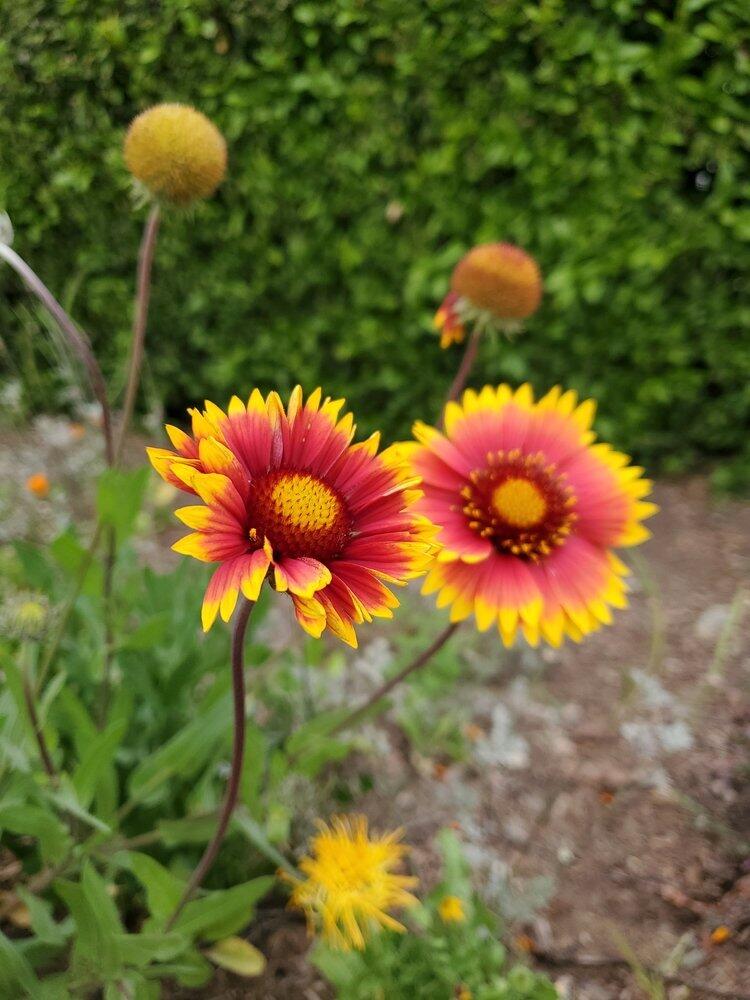
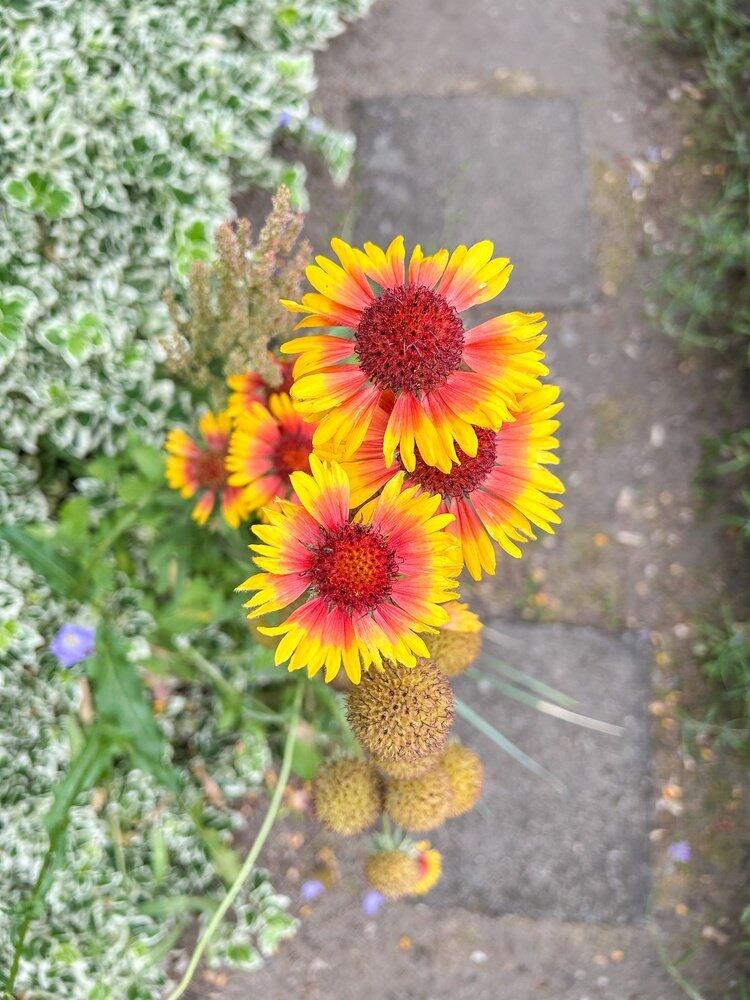
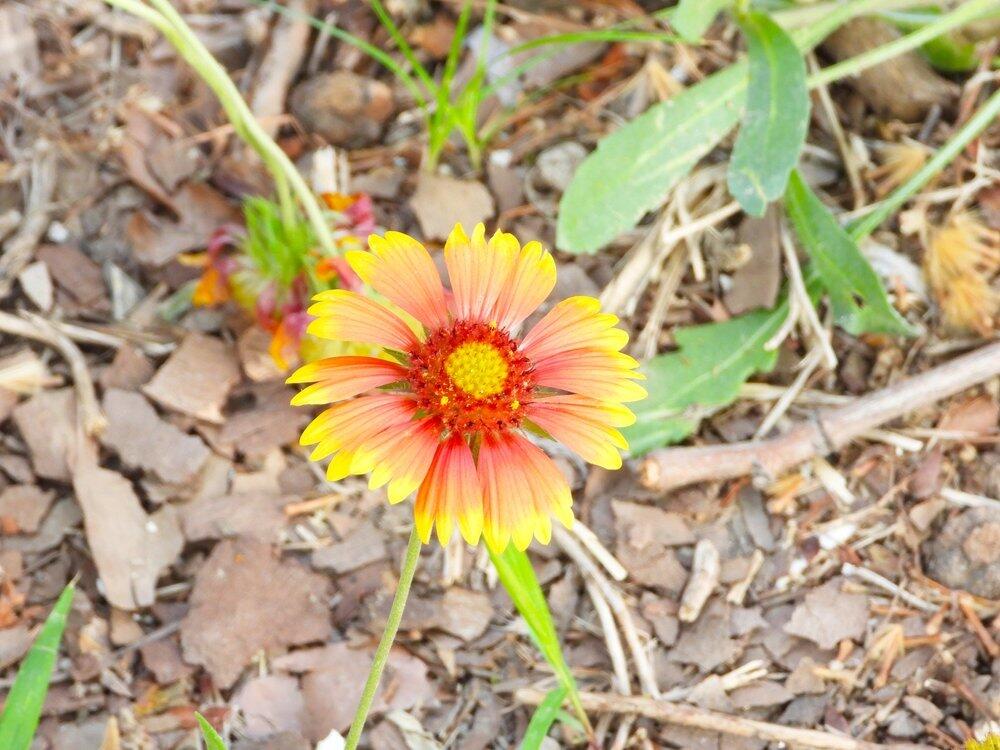
Blanket flower (Gaillardia aristata) brings the colors of a prairie sunset to the garden: daisy-like blooms with fiery red centers, petals tipped in bright golden yellow and a domed, button-like eye. It flowers from early summer until frost, shrugs off heat and dry weather and grows in the kind of thin, sandy soil that defeats many perennials. If you have a hot, sunny bed and want color that keeps going all season with very little help, blanket flower is the plant to reach for. TN Nursery ships blanket flower as bare-root perennials, Buy 1 Get 1 Free.
The name is said to come from the way the flowers echo the bold reds and yellows of woven Native American blankets, and a full planting does look like a bright quilt spread across the ground. Each plant produces flower after flower from June into September and often October, which makes it one of the longest-blooming perennials you can grow.
Choose the sunniest, best-drained spot you have. Blanket flower shines in rock gardens, sunny borders, slopes, gravel beds, parking-strip plantings, coastal gardens and wildflower meadows. It is a natural fit for water-wise and low-maintenance landscapes. For a long-blooming pollinator bed, pair it with black-eyed Susan, coneflower and gayfeather, which enjoy the same sun and soil.
Snip off faded flowers to encourage more buds, or leave some seed heads in late summer for the birds. If plants look tired by August, cut them back by about a third to refresh them for a strong fall flush. Blanket flower also drops seed that sprouts new plants nearby, so a planting tends to renew itself and keep the bed full year after year.
Yes. Blanket flower is a perennial in zones 3–8, and it self-sows gently, so new plants keep a bed full from year to year.
Blanket flower blooms from early summer to fall, often for three to four months, especially when spent flowers are removed.
Yes. Once established, it is one of the most drought-tolerant flowering perennials and thrives in hot, dry, sunny locations.
Yes. Deer and rabbits usually leave blanket flower alone.
Yes. Butterflies, native bees and honeybees all visit the flowers for nectar throughout the summer.
TN Nursery has grown perennials, trees and shrubs in Tennessee since 1959, and more than six decades of growing experience go into every plant we ship. Find more heat-loving bloomers in our sun perennials collection, plan a planting with our pollinator garden guide, or read 5 reasons to grow blanket flowers.

Since 1959, TN Nursery has grown and shipped quality bare root plants nationwide. Shipped during dormancy, bare-root plants develop strong root systems and establish quickly. Our experienced team carefully harvests and packages every order, providing growers with trusted plants backed by over 65 years of nursery experience.
Learn More About
Bare root trees
Vibrant Blooms:
Blanket Flower Perennials burst into colorful, daisy-like flowers that brighten any garden. Their vivid reds and yellows create a stunning visual display, making them a focal point in your outdoor space.
Attracts Pollinators:
The bright blooms draw in bees, butterflies, and other pollinators, helping to support local wildlife. This not only enhances the biodiversity of your garden but also promotes a healthy ecosystem.
Great for Borders:
Perfect for creating colorful borders or edging, adding a cheerful touch to garden pathways and beds. Their bright colors and compact growth make them ideal for defining garden spaces.
Drought Tolerance:
Blanket Flowers are hardy and drought-tolerant, making them ideal for dry or challenging garden conditions. They retain their beauty even with less frequent watering, reducing the need for constant irrigation.
Fall Digging
Spring Digging
Packing Orders
Customer Unboxing Video
Product Highlight
I’m absolutely delighted with my Blanket Flower from TN Nursery! It arrived healthy, well packaged, and ready to plant. I’ll definitely be ordering more plants from TN Nursery!
I’m very pleased with my Blanket Flower from TN Nursery! It arrived healthy, well-packaged, and ready to plant. The vibrant colors are beautiful, and I’m excited to see it bloom and brighten up my garden. Great quality and service from TN Nursery!
My Blanket Flowers have been blooming beautifully and the colors are so cheerful. They have handled the sun and heat extremely well and the butterflies seem to enjoy them as much as I do.
Thank you so much. They are so beautiful.
This is one of the best plants I’ve bought from TN Nursery. It’s hardy, blooms beautifully, and was packaged so well.
From delivery to planting, everything was smooth. The Blanket Flower is thriving and makes my garden look amazing. Highly recommend.
This Blanket Flower is gorgeous! The colors are bold and it brings so much life to my backyard. Excellent shipping and quality.
The plant came in good condition and has adjusted quickly. I’m impressed with the bright flowers—definitely a solid purchase.
I planted the Blanket Flower along my walkway, and it’s been blooming nicely. I only wish I had ordered more.
Arrived healthy and is already putting out new growth. Not quite perfect, but I’m really pleased with how it’s doing so far.
The Blanket Flowers from TN Nursery are thriving in my yard. They are resilient, colorful, and continue to bloom even during hot summer days. This purchase has been one of my best gardening investments.
I bought Blanket Flowers from TN Nursery because I wanted pollinator-friendly plants, and they **** disappoint. Butterflies and bees flock to them daily. They are vibrant, strong, and require little care—perfect for any gardener.
These Blanket Flowers exceeded my expectations. They are hardy, bright, and perfect for sunny areas. TN Nursery provided outstanding service and packaged the plants with care to ensure they arrived in perfect condition.
TN Nursery impressed me with their fast shipping and excellent plant quality. My Blanket Flowers arrived healthy with strong roots and adapted quickly to my garden soil. They add such a cheerful pop of color outdoors.
I am thrilled with my Blanket Flower purchase from TN Nursery. The plants were robust, carefully shipped, and have become the centerpiece of my flower bed. They are low-maintenance and bloom nonstop. Absolutely worth the investment!
The Blanket Flowers I ordered from TN Nursery arrived in excellent condition and bloomed quickly. These perennials add lasting color and attract butterflies, making my garden look lively all season long. Highly recommend this nursery for quality plants.
I purchased Blanket Flowers from TN Nursery, and they have truly transformed my garden with their vibrant red and yellow blooms. They arrived healthy, well-packed, and ready to plant. The customer service team was very helpful, making the entire process smooth and enjoyable.
Two hardy, good sized roots that I planted right away. Am looking forward to having them come up in the spring, if not before!
Thanks so much!
Pat
Looks good but have not planted it yet...8/23/24 they will be planted.
Wonderful shipping time. Arrived in great condition for planting to sprout next spring.
The roots came in good condition. I was to receive two blanket flowers, but one received one. But with the spread it should work out fine. Can't wait to see them bloom
Received the bare roots and planted them on 7/19/24. I can't wait to see what comes up and the beautiful flowers.
The plants I ordered arrived early, were exactly as I hoped for and I got two for the price of one,! I'm so very glad I went with this TN Nursery,
Blanket Flower
Blanket Flower
Blanket Flower
I think it is a great idea and will look great but since they just went in the ground, I can't give an honest option
Too soon to tell if these dormant roots will flourish Looking forward to seeing results
We received the plants in great shape and they were much larger than we expected. The nursery shipped to us in 2 days. We are already a returning customer and w expect to order again. Wonderful service and plants.
Won't know until it starts growing
Got the blanket flower dormant bare root plants. Put them in the ground immediately. They have not sprouted (way too early). Check later.
They are planted now will wait and see when the grow