
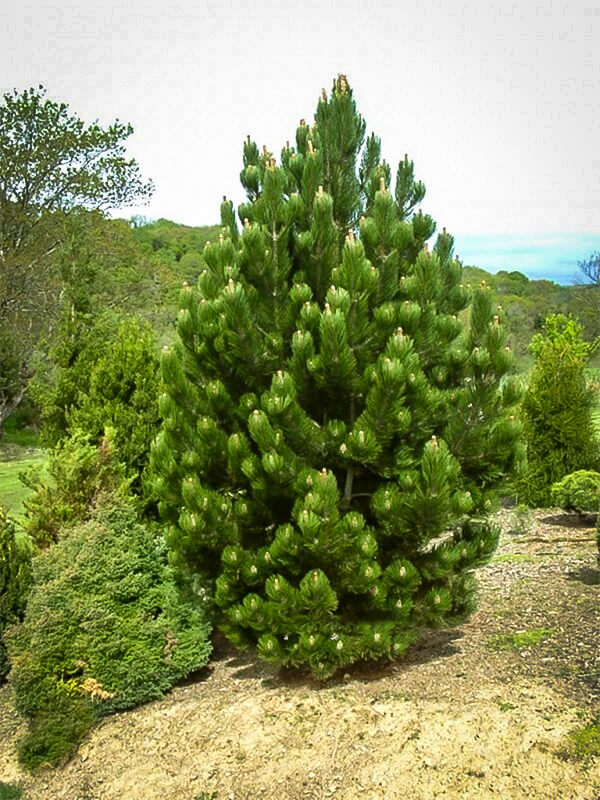
Planting the right trees does more than fill space. A well-planned windbreak protects soil, reduces wind exposure, shelters wildlife, and makes open land feel steadier through every season. Native trees are almost always the smartest long-term choice for this work. They're already adapted to local soils and climate, handle weather swings better than imports, and carry stronger ecological value.
This guide covers which native conifers and deciduous trees suit windbreaks and shelterbelts, how to lay them out, and what to think through before planting. If your property deals with rough seasonal conditions, our guide on protecting gardens from harsh weather covers additional practical protection. For broader context on what native trees bring to a landscape over time, our piece on the best native trees for long-term landscape growth is a useful companion read.
Whether you're planting for a farm, a large yard, or an exposed homesite, the goal is the same: a living barrier that works hard, looks natural, and improves with age.

Why Native Trees Win Here
A native tree for windbreak use is one that's naturally found in your region. That matters because native species are adapted to local soils and climate, tend to resist regional pests and diseases better, and fit the surrounding web of wildlife and plant life.
Non-natives often underperform in tough weather, and some spread aggressively into surrounding land. Native species establish faster in familiar soils, handle drought better, and feed local wildlife with the nuts, acorns, and cover those animals evolved to use. Most university extension services recommend prioritizing native options for lasting wind protection and lower ongoing care, and the reasoning is straightforward: trees that belong where they're planted don't fight their environment.
Expect a gradual payoff. The first few years deliver minimal wind reduction while the root system develops. As canopies close and rows mature, the shelterbelt starts doing its real work.
How a Windbreak Actually Works
A windbreak doesn't act like a fence. It filters wind rather than blocking it.
When wind hits a row of trees, some of it lifts over the top and the rest seeps through gaps between branches and trunks. The goal is to slow the wind, not stop it. Too dense, and you get turbulence on the leeward side. Too open, and the wind slips through without losing much energy.
Orientation matters. The windward side faces into the prevailing wind (often the northwest in most of North America), and the leeward side is the sheltered zone behind the trees. Meaningful wind protection extends 10 to 15 times the height of the tallest tree on the leeward side, which is why height in the back rows matters so much.
Density shapes performance. Moderately dense rows suit most purposes. They cut wind speed effectively without creating hidden drifts or severe turbulence. Very dense rows block wind more completely but churn up trouble close behind. Sparse rows let most of the wind through and offer little benefit.
Done well, an effective windbreak reduces soil erosion, traps snow (protecting buildings and roads while capturing moisture for fields), and shields livestock and homes from biting winter winds. The snow-trapping function matters more than most people realize: well-placed rows keep drifts off driveways and pastures while banking moisture where crops will want it in spring.
What Makes a Good Windbreak Tree
Before picking species, understand which traits drive performance.
Density and branch structure. Layered branches create the filtration that does the actual work. Evergreens like white pine, loblolly pine, and cedar maintain density year-round, which matters most during winter winds. Deciduous trees offer dense summer cover but let wind through in winter when bare.
Height and spread. Taller trees protect a wider zone downwind. Large fields need tall, robust species at the back. Smaller yards benefit from scaled-down options. Match the tree to the site.
Growth rate versus longevity. Fast growers give you early coverage but often come with weaker wood or shorter lifespans. Long-lived species like oak and walnut take longer to reach full function but anchor the planting for generations. A mix gives you both. Our tulip poplar tree guide covers one of the better fast options in detail.
Local adaptability. Look for trees that tolerate your soil range and pH, handle drought if you can't irrigate, and shrug off your region's temperature extremes. This is where native species consistently outperform imports.
Evergreen vs. Deciduous: Why You Want Both
A good windbreak rarely features a single type of tree. Evergreens and deciduous species bring different strengths, and the best shelterbelts combine them.

Evergreens deliver dense, year-round protection. White pine, loblolly pine, and cedar all work well as native windbreak species across much of the eastern and central U.S., keeping foliage through winter when wind protection matters most. They need little pruning, offer strong wildlife shelter, and resist wind well once established. Our evergreen collection covers the full lineup, and the blog posts on the 10 advantages of evergreens and the top 5 evergreen trees for year-round gardens cover selection in more depth.

Deciduous trees supply structure, shade, and canopy height through the growing season. They stack well with evergreens and shrubs for true multi-layer filtration. Their winter leaf drop is actually useful in some designs, since it lets you manipulate where snow drops rather than piling it right against buildings.
A single-species windbreak runs the risk of a pest or disease wiping out the entire planting in one season. Blending evergreens, deciduous trees, and shrubs cuts that risk, improves wildlife habitat, and creates a more stable system overall. Different species also mature at different rates, which gives the planting staggered resilience as individual trees age out or need replacement.
Three Native Trees That Do the Heavy Lifting
These three species anchor most effective native windbreak plantings across the eastern and central U.S.

Tulip Poplar (Liriodendron tulipifera) grows fast, reaches 90 feet or more at maturity, and offers a straight, tall trunk that makes an excellent backbone for the upper canopy. Spring flowers draw bees and hummingbirds. Tulip poplar prefers well-drained soils and open sites, and it works especially well as a central row in larger windbreaks or as an early anchor when you want faster establishment.

Northern Red Oak (Quercus rubra) delivers a wide, spreading canopy that diffuses wind over a long distance. Growth is moderate to fast, the wood is sturdy, and the tree is long-lived. Acorns feed deer, birds, and small mammals. Red oak suits inner or mid-windbreak rows where the canopy has room to spread. If you want more options from the same family, the oak seedlings collection covers the broader set.

Black Walnut (Juglans nigra) brings an expansive canopy, dense wood, and the ability to protect wide stretches of rural land. Annual nut crops feed wildlife and people alike. The trade-off to plan around is juglone, a compound black walnut releases that suppresses certain nearby plants. Tomatoes, blueberries, rhododendrons, and apples are among the most sensitive. In a windbreak context, this means giving black walnut its own row with tolerant companions rather than mixing it in with sensitive species, and keeping it well clear of vegetable gardens.
Designing a Multi-Row Windbreak
Layering species produces the best results. A working row structure usually looks like this:
-
Outer row: dense shrubs or short trees (dogwood, cedar) for ground-level filtration
-
Middle rows: deciduous shade trees mixed with smaller evergreens for staggered canopy and wildlife value
-
Inner rows: the tallest species (tulip poplar, oak, walnut) anchoring the structure at the back
Spacing. Proper spacing keeps trees from competing underground and maintains the right airflow patterns. General guidelines:
-
Shrubs: 3 to 6 feet apart
-
Small trees: 10 to 15 feet apart
-
Large trees: 12 to 20 feet apart
-
Evergreens: 20 to 25 feet apart in the row
Too close, and both the trees and the wind protection suffer. Too far apart, and the barrier leaks.
Number of rows. Multi-row belts outperform single or double rows. They create a broader wind shadow on the leeward side, support more wildlife, and allow more species diversity (which lowers disease risk). If budget or site size limits you to two rows, you'll still get meaningful benefit, just not the full effect of a three- or four-row system.
Matching the Design to the Property
Rural properties and large acreage. Multi-row systems maximize protection, boost wildlife value, and often increase crop yields on neighboring fields. There's room for the large species (oaks, walnuts, tulip poplar) plus supporting shrubs. Longer belts also trap snow and conserve moisture across wider areas.
Urban and smaller lots. You don't need acreage for a windbreak to earn its keep. Compact tree species or columnar evergreens like arborvitae or cedar fit tight corners while protecting patios, play areas, or house walls. Fewer rows and closer spacing work at this scale. Always account for overhead wires, underground utilities, and property lines before planting.
Common Mistakes
A handful of planning errors account for most windbreak failures:
-
Monoculture planting. A single-species row is one pest outbreak away from total loss.
-
Misjudging mature size. Trees planted too close crowd out; trees planted too far apart leak wind.
-
Poor orientation. Rows need to sit perpendicular to the prevailing wind to do their job.
-
Non-native species. Imports that struggle in local conditions end up thin, stressed, or short-lived.
-
Ignoring root effects. Black walnut's juglone can suppress sensitive companions, and any large tree's root spread can conflict with nearby plantings or structures.
Planting and Establishment
Bare-root stock is the practical choice for most windbreak projects. It arrives lightweight, makes large plantings affordable, and establishes quickly when planted during dormancy.
Year one is the critical window. Water frequently during dry periods while roots establish, taper back as trees show strong new growth, and keep mulch around the base to hold moisture and suppress weed competition. Check the planting regularly in the first season so small problems don't become serious ones.
After establishment, most native trees become nearly self-sustaining. Prune only to maintain row density and clear deadwood. Watch for pest or drought stress during harsh seasons. This is where the case for native species pays off: resilience without heavy upkeep.
Choosing Species for Your Priorities
Your goal for the windbreak shapes the species mix more than anything else.
For fast wind protection. Lead with quick growers like tulip poplar and pair them with fast-establishing evergreens such as loblolly pine or cedar. You'll get functional shelter earlier while slower species catch up.
For wildlife habitat. Prioritize oaks and walnuts as food producers, and include shrub and evergreen layers for shelter and nesting. A diverse vertical structure supports far more wildlife than a uniform row.
For privacy and energy efficiency. Dense evergreen rows placed at key angles block wind, noise, and sightlines all at once. Strategic placement near a house can reduce heating and cooling costs enough to matter over the life of the planting.
The Durable Version
A strong windbreak is a living system, not a wall of trees. Layered diversity (multiple species at varying heights), a blend of evergreen and deciduous cover, and a structure that mirrors the way native woodland edges assemble themselves are what produce real resilience. Done that way, the planting gets better every year as roots deepen, canopies close, and the different species settle into their roles.
Plant with that longer view in mind and the windbreak will do more than break wind. It will hold soil, shelter wildlife, bank moisture, and define the edge of the land it stands on for generations.


