Ferns have graced the earth for hundreds of millions of years and come in a wonderful range of shapes, sizes and textures, making them a versatile choice for any garden. Native ferns are especially rewarding because they are adapted to local climates and conditions, making them easy to care for.
Here are five ways to use native ferns in your garden. Whether you want a low-maintenance landscape, more texture or more wildlife, native ferns can help you get there.
Groundcover
Groundcovers are low plants that carpet the soil, protecting it from erosion, suppressing weeds and conserving moisture. Native ferns make beautiful groundcovers in shade, adding soft texture while their fallen fronds enrich the soil as they decompose.
Native Ferns for Groundcover
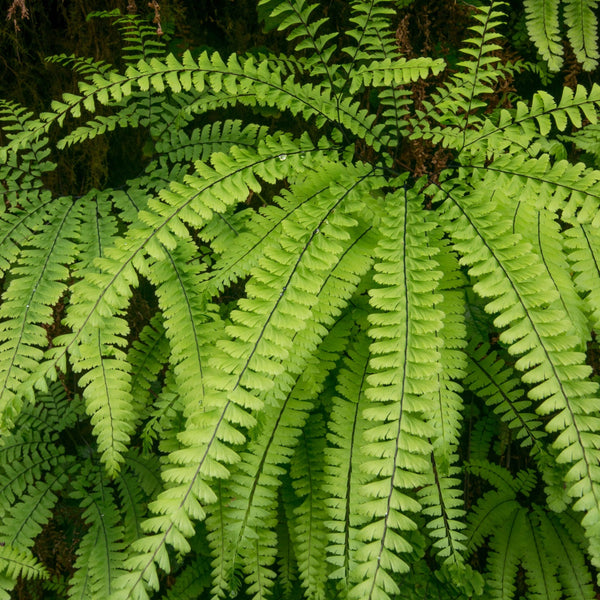
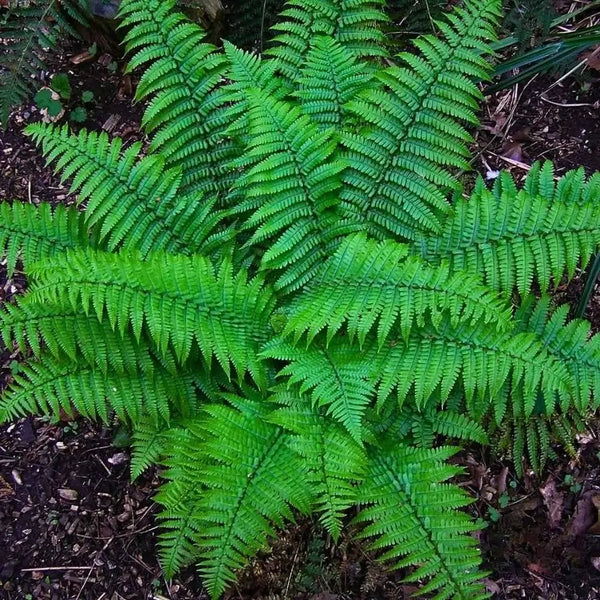
Spreading ferns such as Hay-Scented Fern (Dennstaedtia punctilobula) quickly fill large areas. Clump-forming ferns like Christmas Fern (Polystichum acrostichoides), Lady Fern (Athyrium filix-femina) and Maidenhair Fern (Adiantum pedatum) form lush coverage when planted in groups.
Tips for Planting a Fern Groundcover
Remove weeds and mix compost or leaf mold into the soil before planting. Native ferns prefer moist, well-drained soil rich in organic matter. Plant them 12 to 24 inches apart, depending on the species, so they knit together quickly. Water regularly, especially in hot, dry weather, and mulch with shredded leaves to hold moisture. Remove old, damaged fronds in early spring, taking care not to harm the crown, and divide clumps every few years if they become crowded.
Shade Gardens
A shade garden receives little direct sun, often less than three hours a day. Shade gardens offer a cool, peaceful retreat and are the perfect home for ferns and other shade-loving plants.
Native Ferns for Shade Gardens
Christmas, Lady and Maidenhair ferns are all excellent choices. They thrive in low light and add a lush, green element to your garden design.
Tips for Planting Ferns in Shade
Add compost or leaf mold to improve the soil. Water consistently during dry spells, mulch to retain moisture and remove old fronds in early spring.
Borders and Edging
Ferns soften the edges of garden beds and pathways with a graceful, natural look.
Native Ferns for Borders and Edging
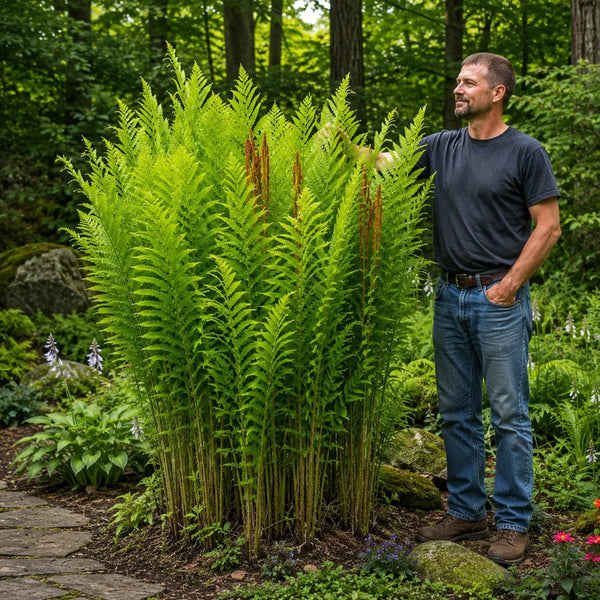
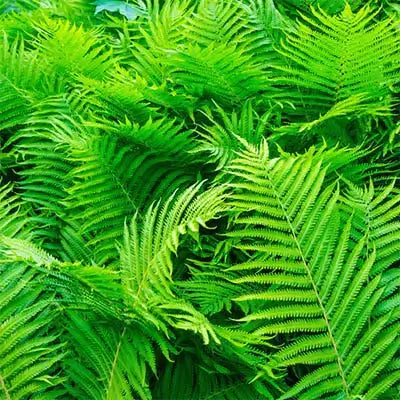
Christmas fern makes a tidy evergreen edging, hay-scented fern creates a soft, flowing border, and the tall, vase-shaped Ostrich Fern makes a dramatic backdrop for the back of a border.
Tips for Planting Ferns in Borders
Choose a spot with the right amount of shade and moisture for the fern you select. Amend the soil with organic matter, space plants for good air circulation and set the top of each root ball level with the soil surface. Water regularly and mulch to retain moisture and keep weeds down.

Container Gardening
Growing ferns in containers lets you bring their beauty to shady porches, patios and balconies, and makes it easy to control soil and moisture.
Native Ferns for Containers
Northern maidenhair fern, Christmas fern, lady fern and marginal wood fern all grow beautifully in pots and planters.
Tips for Ferns in Containers
Use a pot with drainage holes and a rich, well-draining potting mix. Place it in shade or bright, indirect light. Water whenever the top of the soil begins to dry, and feed lightly during the growing season. Move ferns to larger containers as they grow, and remove dead fronds to keep them looking fresh. In cold climates, sink pots into the ground or move them to a sheltered spot for winter.
Focal Points

Focal points draw the eye and create visual interest in a garden. Bold native ferns can serve as living focal points with their striking form.
Native Ferns for Focal Points
Royal fern, Cinnamon Fern (Osmundastrum cinnamomeum), Ostrich Fern and Maidenhair Fern make beautiful focal points. Cinnamon fern's upright, cinnamon-colored fertile fronds and ostrich fern's tall vase shape are especially eye-catching.
Tips for Ferns as Focal Points
Consider each fern's mature size and growth habit. Place it where it can be seen from several angles, and surround it with lower plants or garden features that set it off. Water regularly and remove old fronds to keep it looking its best.
Native ferns offer versatile, beautiful options for garden design. Choose the right fern for each spot, give it proper care, and it will flourish for years while supporting soil health and wildlife. Explore our full selection of native ferns at TN Nursery.