
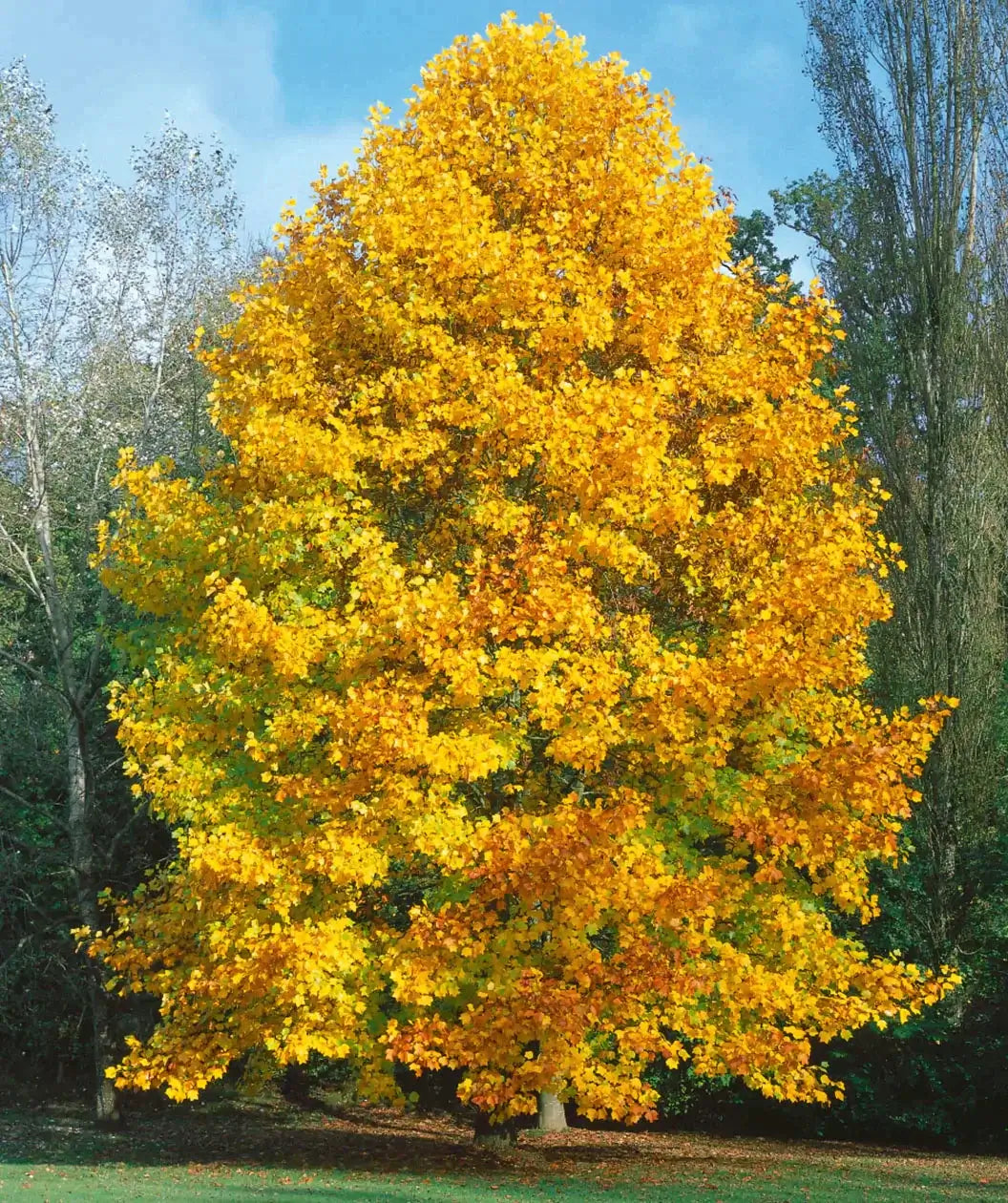
Trees For Sale Online: What Actually Survives Shipping to Tennessee Yards
When ordering trees by mail‚ especially for a property in Tennessee or anywhere else in the Southeast‚ the most key factor is not the species‚ it’s how the tree is shipped‚ whether it will grow in Zones 6-7‚ and what you do with it in the first 30 days after it arrives in the mail․ If you nail that‚ virtually any nursery stock will grow․ Get it wrong and even the healthiest tree from the biggest retailer can fail within a season․
Yet the majority of articles on this subject treat ““buying trees online”” as if it were one experience․ A bare-root maple shipped to Nashville in March is a very different experience than a container tree delivered to Memphis in July․ Now let’s talk about details that matter․
Bare-Root vs․ Container: Why This Choice Matters More Than the Retailer․
Big national sites will often ship bare root trees because they are lighter and cheaper to ship․ This is okay if you are receiving trees in the dormant season (November until early March in Tennessee)‚ but ordering during the growing season may mean stressed trees already breaking bud with no soil․
Container trees are expensive to ship․ It’s also more likely that you can find trees in the ground without any fuss from fall to late spring in this area (unless you’re fighting with July heat)‚ so if you are ordering after April‚ container stock is almost certainly a better option․
TN Nursery ships a Red Maple or a Tulip Tree in a container with their root system and the soil the tree grew in still intact on the root ball․ Thus the tree does not need to rebuild before growing․
Tennessee Has Agricultural Zones That Are Not Uniform
Most of Middle Tennessee is in Zone 7a‚ while higher elevations of East Tennessee (the Cumberland Plateau and parts of the Smokies) and West Tennessee (along the Mississippi River and some tributary areas) are in Zones 6b and 7b‚ respectively․ These zones are critical in tree selection:
* (Zone 6b/7a- East and Middle TN‚ higher elevation) Sugar Maple‚ White Oak‚ and Eastern Redbud can withstand winter lows down to -5°F with no negative effect․ * Zone 7a/7b (Middle and West TN‚ lower elevation): Southern Magnolia‚ Crape Myrtle‚ and Willow Oak will easily thrive here․ Magnolia should be avoided in exposed windy locations‚ as leaf burn can occur․
A retailer shipping nationally often can’t tell you which side of that line your property falls on․ A regional nursery can‚ and should‚ ask your zip code before recommending species‚ not just list “hardy to Zone 6” on a product page and leave you to guess for yourself․
What Happens Before the Tree Ships (and Why It’s Invisible to You)
This is the part competitor sites barely mention‚ and it’s arguably more important than the checkout page․ A tree’s root structure‚ branching pattern‚ and stress tolerance are set months - sometimes years - before you ever click ““add to cart””․
Structural pruning at TN Nursery happens when a tree is still young enough not to be so root-bound in a pot․ This means less need for corrective pruning during the tree’s first year or two in the landscape․ Fertilization is conducted conservatively during the nursery phase of growth; heavy fertilization produces fast top growth at the expense of root growth‚ the precise tradeoff a tree doesn’t need when shipping to across the state and planting in strange soil․
In addition to this ““hardening off”” process‚ which involves slowly acclimatizing the tree to the outside world rather than moving it directly from a climate-controlled greenhouse to the front yard‚ transplant shock can affect trees‚ causing what was an apparently ideal tree in the photo to lose half its leaves within a week of planting․
The First 30 Days: Where Most Online Tree Orders Actually Fail
Competitor sites usually stop at “add water regularly”․ That’s usually not a useful enough instruction․
You may need: To loosen the clay or loam soil found in Tennessee before planting a tree․
During the first week after planting‚ water deeply (2-3 gallons for a 5-7 gallon container tree)‚ then wait 2 or 3 days and give enough water so that the top inch of soil is not bone dry․ Overwatering is more common than under watering during the first week‚ and causes more root rot than does drought stress․
Weeks 2 - 4: Water 2-3 times per week deeply‚ do not water every day or lightly‚ as clay-heavy soils in the Tennessee (Midstate) zone drain very slowly - daily light watering maintains a constant wet surface while leaving the root ball dry․ Stick a finger down 3 inches before watering․ If the soil feels moist‚ wait another day․
Mulch‚ always: 2-3 inch (51-76 mm) mulch rings a few inches (see ‘Mulch ring’) out from the trunk keeps soil temperatures even and water use down by 30% compared to bare soil; ring mulching against the trunk (commonly done) also causes rot and invites pests․
Staking: for bare root or any tree over 6 ft tall in a windy site․ Container trees under 6ft with the root ball left intact usually do not need to be staked․ In fact‚ it is counterproductive to stake a tree since this prevents the movement that strengthens the trunk․
If stress still persists after 30 days of watering correctly (leaves fall off and do not return or new growth is not apparent‚ within the typical six-week period for the plant during the growing season)‚ it’s more likely due to problems with drainage in the planting area‚ or damage to the roots during shipping․
Species Most Resilient to Shipping and Transplant Stress
Not all trees offer an easy online-order-to-landscape experience‚ but according to decades of regional experience‚ a handful find a home with little drama:
* Red Maple: fast growing‚ tolerant of wetter soils‚ tolerant of average soil‚ grows well in Zone 6 and 7 * Tulip Tree - Tennessee’s state tree‚ better able to withstand transplant shock than other fast-growing trees * Oak (White Oak‚ Willow Oak) - It will take longer to establish visually‚ but it builds a more wide-ranging root system in year one than almost anything else you can plant
They’re not the most exciting options to fill out a nursery homepage‚ but they’ll probably be the least disappointing six months later․
Buying Online Without the Guesswork
Ordering trees online is worthwhile only if the tree survives shipping and its first growing season․ Before ordering from any nursery‚ including TN Nursery‚ ask how the tree is shipped (bare root or in a container)‚ where it has been hardened off‚ and if the nursery can verify your hardiness zone rather than guessing based on your region․


