
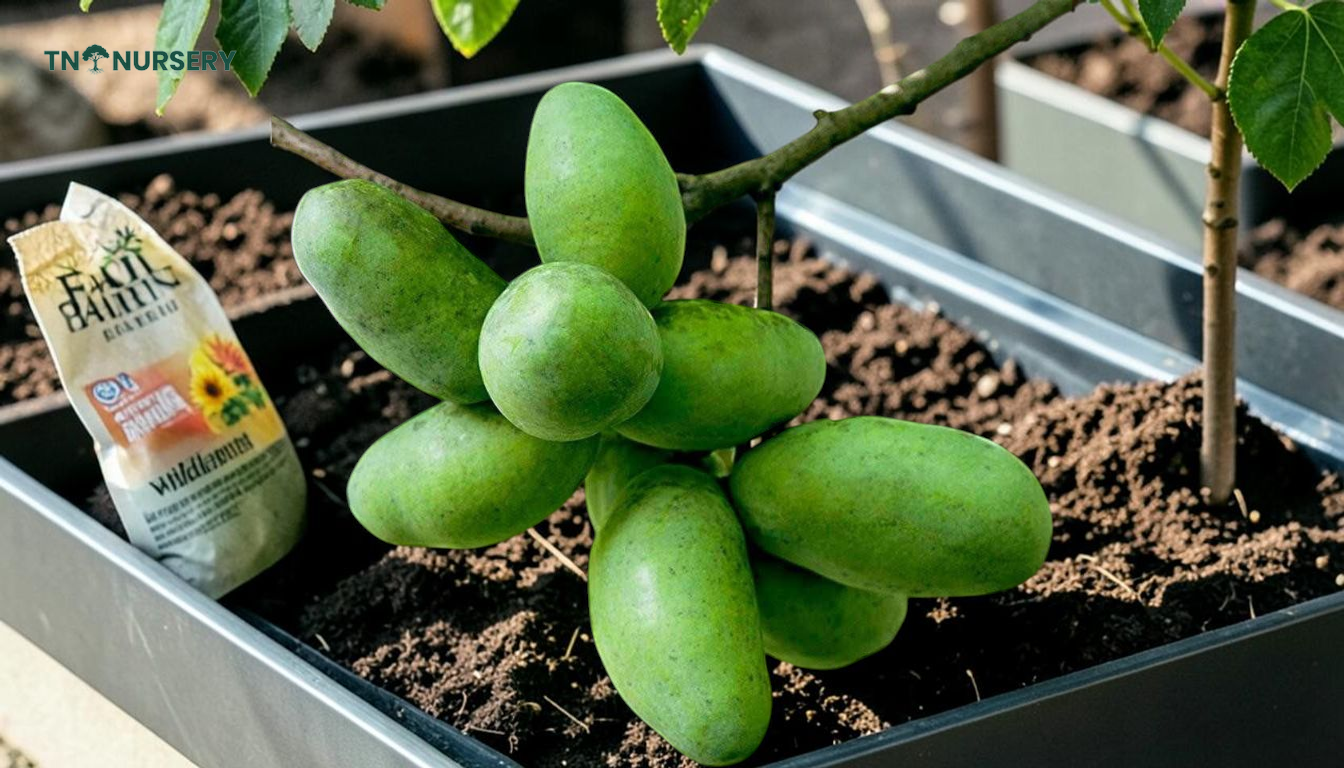
Spring Tree Planting Starts With the Right Bare-Root Pick
Use our spring tree planting guide to match your site before planting. From shade to fruit, we ship bare-root trees ready for spring seasons and even fall planting wildflower seeds nearby.
Spring timing matters more than most gardeners expect
- Pawpaw Tree handles partial sun and ships bare-root for spring planting
- Peach Tree fits sunny yards but needs more hands-on care
- Apple Tree offers spring bloom, fruit, and wildlife value in zones 3-8
- Red Maple Tree grows fast and suits larger yards needing shade
Fruit Trees for Spring Planting in Plants for Zone 7a
If you're planning tree planting this spring season, these four picks cover fruit, shade, and long-term yard structure in one pass. You'll find bare-root trees that ship now, with clear differences...


Fruit Trees and Shade Picks for Plants for Zone 7A
If you're planning spring tree planting, these four picks cover fruit, pollinator value, and long-term yard structure. You'll find bare-root trees that fit different light levels, from full-sun pea...
Spring Tree Planting: Bare Root, Container, and Seedling Basics
Spring planting works best when you match the tree form to your yard, your timing, and your soil. Even if you are also planning fall planting wildflower seeds, this is the season to get fruit and shade trees rooted before summer heat arrives.
Most of our featured trees ship as bare-root, including the bare-root Pawpaw Tree for partial shade gardens, bare-root Peach Tree for full sun fruit planting, bare-root Apple Tree for home orchards, and bare-root Red Maple Tree for fast shade. Bare-root trees cost less to ship and settle in fast, but you need to plant them promptly while dormant.
How to choose the right fall planting wildflower seeds?
Start with season and root type. For spring tree planting, bare-root trees are usually the easiest value because roots are exposed, easy to inspect, and quick to spread into loosened soil.
Container-grown trees arrive with soil around the roots, so they give you a wider planting window. Seedlings are younger and smaller. They cost less, but they need more patience and closer watering in the first year.
plants for zone 7a and plants for zone 7b
If you garden in these zones, all four trees here can fit depending on your site. Pawpaw handles partial sun and shade, while Peach and Apple need full sun, and Red Maple adapts to full sun or partial shade.
- Bare-root: Best for early spring planting while dormant
- Container-grown: Best when you need flexible timing
- Seedlings: Best when you can wait a few years for size
What are the best fall planting wildflower seeds to buy?
For this guide, the better question is which spring tree form fits your goal. If you want fruit, Peach, Apple, and Pawpaw all earn their space. If you want quick shade, Red Maple is the clearest pick.
Keep in mind: Peach trees need the most hands-on care. They reward that effort with spring bloom and fruit, but they are not a plant-it-and-ignore-it tree.
Simple spring planting steps
- Soak bare-root roots in water for a few hours before planting.
- Dig a hole wide enough to spread roots naturally.
- Set the tree at the same depth it grew before shipping.
- Backfill with native soil and water deeply.
- Mulch the root zone, but keep mulch off the trunk.
After planting, water regularly through the first growing season. So, if you are building a yard with plants for all seasons, start with the tree that matches your light, space, and patience level.
Frequently Asked Questions
When should I plant bare-root trees in spring?
For a spring tree planting guide, plant bare-root trees while they are still dormant or just waking up. That timing works especially well for our Pawpaw Tree, Peach Tree, Apple Tree, and Red Maple Tree, because all four ship bare-root. We suggest getting them in the ground as soon as your soil is workable. Don’t wait for hot weather. Spring is a season of fast root growth, and that early start helps trees settle in before summer stress arrives.
How much water do newly planted trees need?
Water deeply right after planting. Then keep the root zone evenly moist while the tree establishes. Our Pawpaw Tree likes rich, well-drained soil and regular watering, especially early on. Peach and Apple Trees also need moist soil, and Peach Trees need close attention during dry spells because developing fruit uses a lot of water. Red Maple handles moist ground well, even clay and occasional wet conditions, but you still want to avoid letting a new planting dry out completely.
How far apart should I space these trees?
Give each tree room based on mature spread, not the size it is on planting day. Our Pawpaw Tree can reach about 15 to 30 feet wide, Peach Tree spreads about 15 to 20 feet, Apple Tree ranges from 6 to 25 feet, and Red Maple grows much larger over time. So, if you are planning tree planting in a mixed yard, don’t crowd them. Apple Trees need airflow, and Red Maple needs the most open space. Keep in mind that tight spacing often means more pruning later.
Which tree is best for partial shade, and which needs full sun?
If your site gets only part-day light, our Pawpaw Tree is the clear pick. It handles partial sun and shade better than most fruit trees because it naturally grows as an understory tree. For the strongest flowering and fruit set, our Peach Tree and Apple Tree need full sun. Red Maple is flexible and grows in full sun or partial shade, so it works well when light shifts across the yard through the spring season.
What should I choose for plants for zone 7b?
You have good range here. Our Pawpaw Tree grows in zones 5-9, Peach Tree in zones 5-9, Apple Tree in zones 3-8, and Red Maple in zones 3-9, so all four fit plants for zone 7b. The choice comes down to your site. Pick Pawpaw for part shade and unusual fruit, Peach for full-sun harvests if you do not mind regular care, Apple for a classic home orchard tree, and Red Maple when you want fast shade and strong fall color.
Can I plant trees in spring if I also plan on fall planting wildflower seeds or planting grass seed in fall?
Yes, you can. In fact, many customers plant trees now and save lawn or seed work for later. If you are thinking about fall planting wildflower seeds or planting grass seed in fall, just keep the area around a new tree clear so roots do not compete too hard in the first season. We like a simple ring of mulch around the trunk instead of seed right up against it. That gives your new tree a cleaner start.
Do you accept returns or offer refunds on trees?
We want to be direct here. We do not offer refunds, and we do not accept returns. We also do not offer a warranty on any product unless an extended warranty is purchased at the time of order. If you need help with an order, contact us at customerservice@tennesseewholesalenursery.com.
How do you ship tree orders?
We ship all items by 3-4 day ground shipping. That applies to our bare-root trees as well, including Pawpaw, Peach, Apple, and Red Maple. If you need to reach us, we are TN Nursery, Tennessee Wholesale Nursery, 12847 State Route 108, Altamont TN 37301, United States. Short trip, clear packaging, and prompt planting after arrival give bare-root trees their best start.
Pick the Right Spring Tree for Your Yard
Ready to start planting? We ship bare-root trees that suit real yard conditions, from part-shade Pawpaw to full-sun Peach and Apple, plus fast-growing Red Maple for broad shade. If you plan fall pl...
