
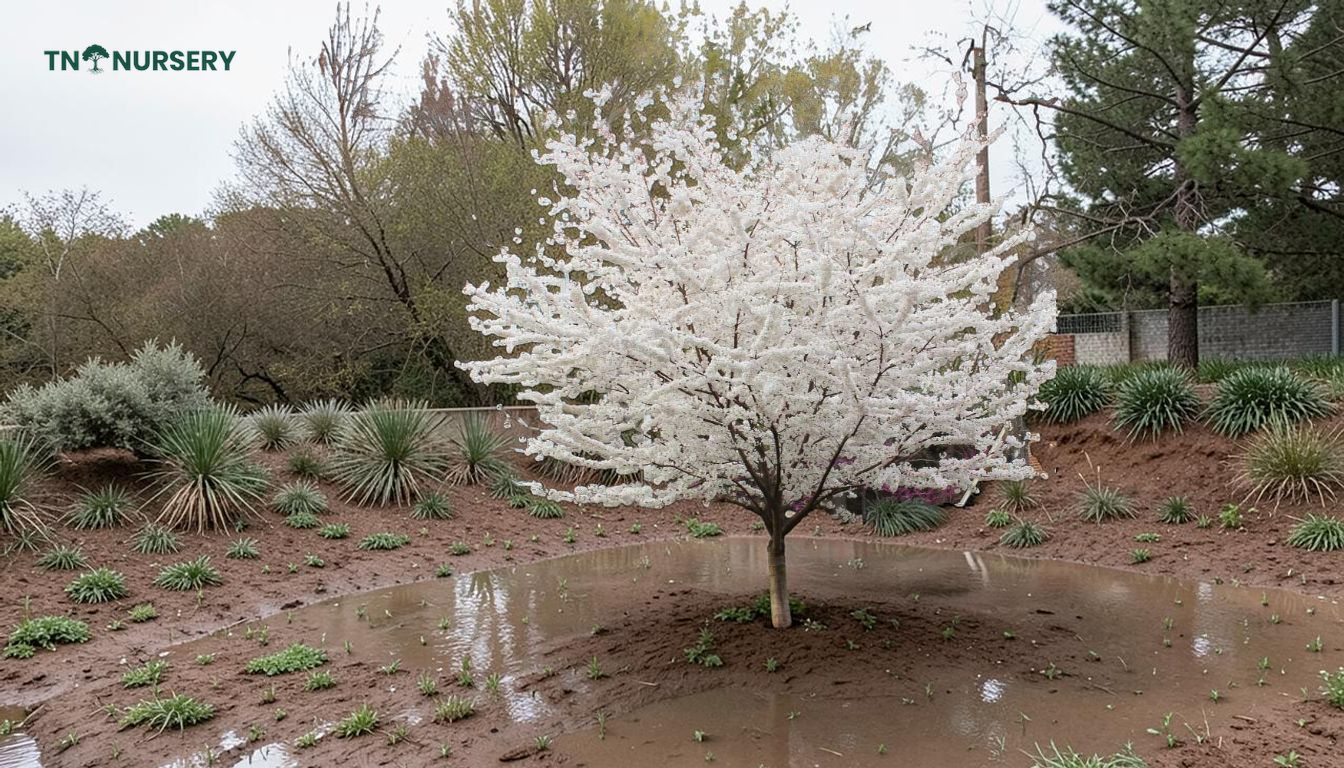
California Native Trees for Wet Soil and Clay Yards
We help you plant through soggy spots and heavy clay with trees chosen for real landscape performance, from spring bloom to dependable structure.
Wet Soil and Clay Don’t Forgive Bad Tree Picks
- Why clay soil causes root stress, poor drainage, and early planting failures
- How the Yoshino Cherry Tree fits yards with moisture but not constant standing water
- What to expect from low-maintenance tree options in Zones 5-8
- When flowering trees work in clay and when drainage improvements matter first
Flowering Trees and Garden Gifts for Wet Yards and Best Erosion Control Plants
When clay soil stays damp, structure matters. We paired the Yoshino Cherry Tree for spring white blooms with the Weeping Cherry Tree for graceful pink flowers, then added the Seasonal Monthly Plant...


Spring Color Picks With Florida Native Plants for Landscaping in Mind
If you want flowering trees that soften a wet yard, we grouped these choices for clear spring color and manageable size. Our Yoshino Cherry Tree, Weeping Cherry Tree, and Seasonal Monthly Plant Box...
How to Match Trees to Wet Soil, Clay, and Summer Planting
If you're sorting through california native trees ideas for a soggy yard, start with the ground you actually have. Wet clay holds water longer, dries slower, and can suffocate young roots in a hurry. We guide customers to trees that handle moist, well-drained sites best, then we adjust planting depth and watering so they settle in through summer.
How to choose the right california native trees?
Check where water sits after a storm. If puddles linger for a day or two, plant on a slight mound and keep the root flare above grade. That one step helps more than digging a deep bowl in heavy clay.
For bloom and moderate size, our Yoshino Cherry Tree for moist well-drained soil fits yards in Zones 5-8 and flowers in spring to early summer. Our Weeping Cherry Tree for clay soil gardens also prefers moist, well-drained soil, and once established it can tolerate compacted ground better than many flowering trees. But keep in mind: neither tree wants standing water around the trunk week after week.
What to match first
- Drainage pattern: Low spots suit moisture-loving roots better than crowns that stay soggy.
- Sun exposure: Both cherry trees bloom best in full sun, though they handle partial shade.
- Mature size: These trees stay under 25 feet in the listed specs, which helps in smaller home landscapes.
- Summer timing: Hot-weather planting needs steady watering, especially in the first year.
What are the best california native trees to buy?
For this type of site, we would choose by drainage first and shape second. Yoshino gives you white spring bloom and a classic upright canopy. Weeping Cherry brings pink flowers and pendulous branches that look especially good near a swale or pond edge.
When clay stays wet, shallow planting and mulch beat deep planting every time.
Simple summer planting tips
- Dig a hole only as deep as the root mass, but two to three times wider.
- Set the tree slightly high in clay so water moves away from the trunk.
- Water regularly after planting, because both featured cherries need consistent moisture to establish.
- Mulch 2 to 3 inches deep, but keep mulch off the bark.
If you're also planning around florida native plants for landscaping, best erosion control plants, or pa native plants, the same rule applies: match roots to drainage, not just looks. And if you're building out the rest of the yard, you can browse our Native Trees and Trees collections for site-appropriate choices.
Frequently Asked Questions
What are the best california native trees to buy for wet soil or clay yards?
For heavy, wet ground, we would not push either cherry as a true swamp tree. Both Yoshino Cherry Tree and Weeping Cherry Tree prefer moist, well-drained soil. That matters. If your yard stays soggy for days, improve drainage first or plant on a raised mound. Between the two, we usually point customers to Yoshino when they want a hardy flowering cherry under 25 feet with white spring blooms. Choose Weeping Cherry when the shape matters most. Its pendulous branches create that classic reflected look near water, but keep in mind it still needs drainage around the root zone.
How do we plant cherry trees in clay soil and poor drainage without losing them?
Start by checking how long water sits after rain. If puddles remain the next day, plant higher than grade. We recommend building a broad mound and setting the root area slightly above the surrounding soil. That keeps oxygen around the roots. Both our Yoshino Cherry Tree and Weeping Cherry Tree need regular watering at planting time, but they do not want roots trapped in dense, airless mud. So, do not dig a deep bowl in clay and drop the tree in. That can hold water like a bucket.
Which tree is easier to care for in a low-maintenance native trees for landscaping plan?
If you want the simpler pick, choose the Yoshino Cherry Tree. It is listed as one of the hardiest flowering cherries, and it grows in Zones 5-8 with full sun to partial shade. The Weeping Cherry is also hardy, but its cascading form is more of a design feature, so placement matters more. Look, both need moist, well-drained soil at the start. Neither is the tree we would call carefree in standing water. For drought tolerant landscaping after establishment, Weeping Cherry can handle some compacted or drier soil better than many people expect.
Can these trees help with erosion on a wet slope?
They can help some, but we want to be honest here. A tree alone is rarely enough for the best erosion control plants plan on a slick clay slope. Roots help hold soil over time, yes, but young trees need seasons to settle in. If you are planting a Yoshino Cherry Tree or Weeping Cherry Tree on a grade, use a raised planting area and stabilize the surrounding soil with additional plantings from your broader landscape plan. And avoid the lowest pocket where runoff collects.
Do these flowering trees work near privacy screens, shaded lawns, or evergreen foundation plantings?
Yes, if you give them enough light. Both cherries grow best in full sun, though Yoshino and Weeping Cherry can handle partial shade. That makes them useful near fast growing evergreen trees for privacy, as long as those larger trees will not block too much sun later. We also tell customers to watch turf competition. If you are already struggling with the best grass for shaded areas, do not crowd the base of a cherry with thirsty lawn. And if you use evergreen bushes for landscaping nearby, leave space for airflow around the trunk.
How does shipping work, and what if there is a problem with my order?
We ship all items by 3-4 day ground shipping. If you need help with an order, contact us at customerservice@tennesseewholesalenursery.com. We do not accept returns, and we do not offer refunds. But if there is an issue that qualifies, we can offer a reshipment. We also do not provide a warranty unless you purchased an extended warranty at the time of order.
Shop California Native Trees for Tough, Wet Yards
If your yard holds water or packs hard with clay, start with trees chosen for real landscape stress. We stock live trees and shrubs for problem spots, and you'll find practical options for low-main...
