
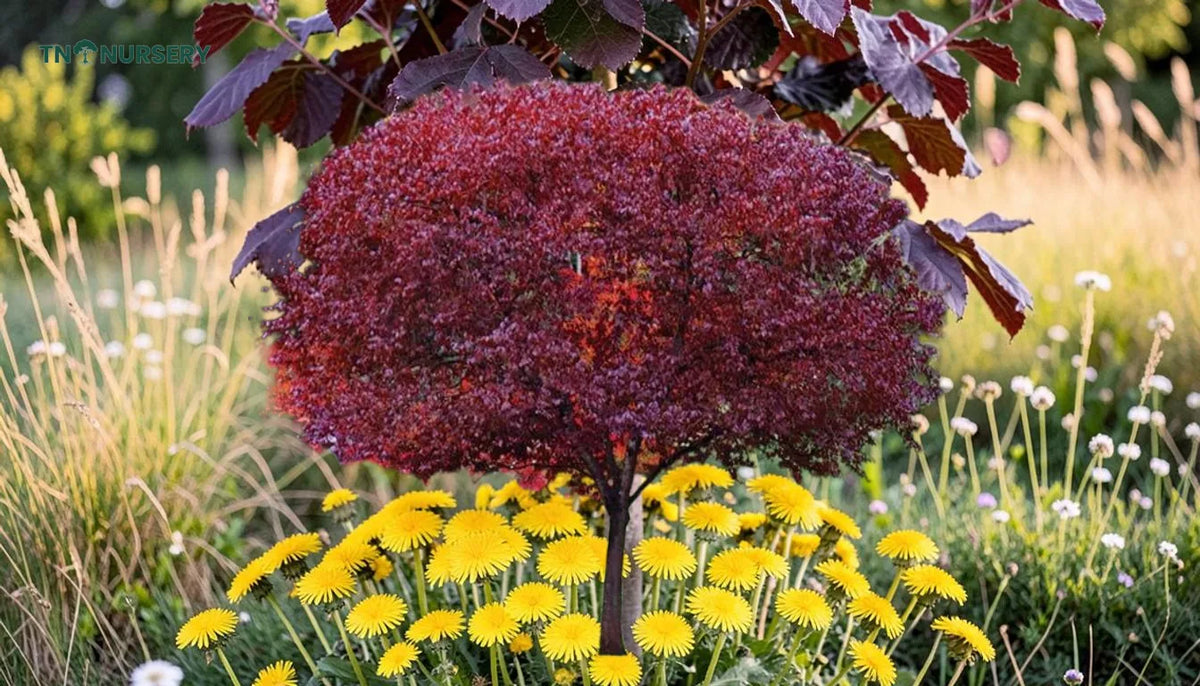
Shop native pollinator plants and flowering trees that attract bees and butterflies, with easy-growing picks for zone 6 yards and long summer color.
What are the best native plants for bees to buy?
- Purple Leaf Plum Tree offers spring flowers, purple-red foliage, fruit, and wildlife habitat
- White Dogwood Seedlings add compact native structure with food and shelter for critters
- Dandelion provides an early nectar source before many perennials for pollinators wake up
- Zone and light matching matter most for long-term survival and lower maintenance
Plant a Pollinator Friendly Trees Mix for Longer Seasonal Color
If you want native plants for bees with strong seasonal interest, start with White Dogwood Seedlings for spring bloom and bird shelter. Then add Purple Leaf Plum Tree for pink-white flowers and purple foliage.


Pollinator Friendly Plants and Trees for Layered Summer Color
If you're building with native plants for bees, this trio gives you spring flowers, summer forage, and strong seasonal color in one easy-to-browse mix. We paired a native tree, a colorful flowering shrub, and a low groundcover to keep pollinators coming through the season.
Choosing Native Trees for Pollinators in July
If you are planting native plants for bees this summer, start with the tree that fits your yard first. We suggest matching light, zone, and watering needs before you think about bloom color, because a healthy tree will feed more pollinators over time.
How to choose the right native plants for bees?
Pick by region and exposure. In zones 5-9, White Dogwood Seedlings for partial shade to full sun fit well where summers run hot and roots can stay evenly moist. In colder zones, Purple Leaf Plum Tree for full sun to partial shade covers a wider zone range, from 2-8, and handles a more open planting spot.
So which one would we plant where? Dogwood is the better call for an eastern or upper-south yard with dappled light, acidic well-drained soil, and room for a 15-30 foot rounded tree. Purple Leaf Plum works better in brighter sites where you want purple-red foliage, spring pink and white bloom, and a tree that can grow over 25 feet.
What are the best native plants for bees to buy?
For pollinator friendly plants in a layered yard, we use trees for height and a low flower at the edge. White Dogwood brings spring bloom plus late-summer berries for wildlife. Purple Leaf Plum adds blossom color and fruit that birds and small mammals use.
Then we finish the planting with Dandelion Plant for early pollinator support. Keep in mind, it is not native to North America and it self-seeds fast, so deadheading matters if you want tidy beds. But for early bee forage, few small plants work harder.
Plants for pollinator garden: quick July planting tips
- Water deeply after planting: Bare-root trees need steady moisture to settle in during July heat.
- Mulch the root zone: White Dogwood especially benefits from a few inches of mulch to hold moisture.
- Match sun carefully: Dogwood prefers some shade relief, while Purple Leaf Plum handles more direct sun.
- Watch spreaders: Dandelion supports perennials for pollinators style plantings, but remove seed heads before they blow around.
Native pollinator plants by maintenance level
- Lowest shaping work: White Dogwood needs moisture attention, then dormant-season pruning.
- More flexible form: Purple Leaf Plum can grow naturally or be pruned into a tighter shape.
- Most cleanup: Dandelion is easy to grow, but it needs deadheading if you do not want reseeding.
Plant for your zone first, then for bloom. That single choice usually decides whether your pollinator yard thrives or struggles by August.
If you want to build around these trees, browse our Native Trees, Flowering Trees, and Pollinator Plants collections. That gives you a simple path to stronger plants for pollinator garden layouts without guessing on fit.
Frequently Asked Questions
What are the best native plants for bees to buy?
For tree form and spring bloom, we point customers first to our White Dogwood Seedlings. They bloom from early to mid spring, stay under 25 feet at maturity, and support wildlife with food and shelter. If you want bold leaf color too, our Purple Leaf Plum Tree adds pink and white spring flowers against purple-red foliage. Keep in mind, the dandelion plant feeds pollinators early, but it is non-native in North America and self-seeds fast.
How do I choose between White Dogwood Seedlings and the Purple Leaf Plum Tree?
Start with sun and space. White Dogwood Seedlings prefer partial shade to full sun and grow 15 to 30 feet tall with a rounded shape. The Purple Leaf Plum Tree handles full sun to partial shade and grows over 25 feet with a wider, more sprawling habit. If you want one of the easier plants for pollinator garden structure near a woodland edge, dogwood is usually the better fit. If you want stronger summer leaf color, plum is the clear pick.
Which tree is better for summer planting in hot weather?
White Dogwood Seedlings need closer moisture management in summer heat. We tell customers to mulch the root zone and keep the soil evenly moist, especially in hotter areas. The Purple Leaf Plum Tree is easier if your site runs sunnier and drier, though it still needs watering while it establishes. Both ship bare-root, so quick planting matters.
Do these trees help more than bees?
Yes. White Dogwood Seedlings produce late summer red berries that songbirds favor, and their branching creates shelter for native wildlife. Purple Leaf Plum fruits also attract birds and small mammals. So if you are planning for native plants for bees but also want habitat value, both trees do more than just flower. For gardeners asking about native plants for fireflies, moist mulched areas under dogwood can support the cooler, less disturbed conditions many yards need.
Are these good choices for zone 6 gardens?
Yes, both can work well in zone 6. White Dogwood Seedlings are listed for zones 5 to 9, and the Purple Leaf Plum Tree covers zones 2 to 8. That makes both useful if you are mixing trees with perennial flowers for zone 6. But soil still matters. Dogwood prefers moist, well-drained acidic soil, while plum gives you a bit more flexibility in mixed landscape beds.
Do you offer refunds or returns on plants?
We do not offer refunds, and we do not accept returns. We also do not offer a warranty on any product unless an extended warranty is purchased at the time of order. If you need help with an order issue, contact us at customerservice@tennesseewholesalenursery.com. We are TN Nursery, and our address is Tennessee Wholesale Nursery, 12847 State Route 108, Altamont TN 37301, United States.
How do you ship trees and seedlings?
We ship all items by 3-4 day ground shipping. Our White Dogwood Seedlings and Purple Leaf Plum Tree are shipped bare-root, so you should plan to plant them soon after they arrive. Look, bare-root plants are practical and budget-friendly, but they are not meant to sit around in a box during hot weather. Have the planting spot ready before delivery.
Shop Native Plants for Bees and Summer Color
Build a yard that works hard for pollinators and still looks good in every season. We stock flowering trees that attract bees and butterflies, including White Dogwood Seedlings for spring bloom and Purple Leaf Plum Tree for color and interest.


