
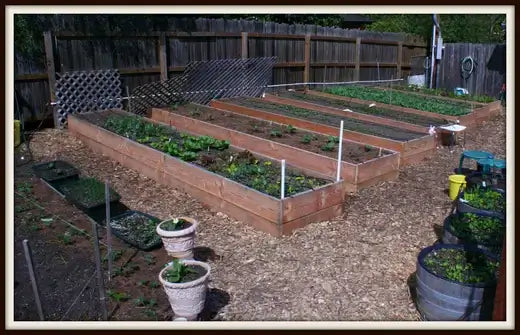
In recent years‚ organic gardening and its hallowed techniques have come to the forefront as a simple and productive method for growing fresh‚ healthful food in an environmentally sympathetic way․ One of the techniques you will find is square foot gardening․ Intensive gardening is planting in small square sections rather than the customary rows․ This was inspired by the idea of growing more in less space․ Anyone can do intensive gardening‚ as it requires no special business training․ It satisfies the desire of both novice and experienced gardeners to grow their own green treasure‚ and enables them to enjoy the nature around them․ By considering soil composition‚ companion planting‚ crop rotation‚ watering techniques and sustainability practices‚ you can practice this powerful gardening method to turn any area‚ inside or out‚ into a vibrant‚ flourishing environment․
Soil Foundation
Soil is the foundation of any garden․ It provides the nutrients for plants to grow and is the foundation for everything including the plants' health and growth in a square foot garden‚ so getting it right is important․ The recommended combination of ingredients is popularly referred to as "Mel's Mix"‚ named after the author and gardening educator Mel Bartholomew․ It is one-third compost‚ one-third peat moss and one-third vermiculite․ This combination allows for good drainage and moisture retention by providing nutrients․ The compost also infuses the soil with helpful microorganisms‚ promoting strong root growth and healthy plants․ The peat moss is added so that the roots can breathe by allowing for air porosity in the soil‚ and the vermiculite is added so that the soil will be prevented from becoming compacted․ In this way‚ square foot gardeners are creating the best possible environment for the plants in their small garden space․
However‚ what plants are planted will only be part of the health and productivity of the garden․ Companion planting helps maximize plant growth by planting crops that can support and benefit one another․ This method is more commonly used in square foot gardening‚ since the planting area is small and requires more thought on what to plant where․ For example‚ planting marigolds among tomatoes can deter pests from visiting the tomatoes․ Basil repels flies and improves tomato growth․ Beans are a nitrogen-fixing crop and a neighbor to corn and squash in the same square foot․ Companion plant selection in square foot gardening is a factor in creating a mini-ecosystem with nitrogen-fixing and mutually helpful plants․ Square foot gardeners use companion planting to reduce their need for chemical fertilizers and pesticides․
Crop Rotation
Crop rotation is essential when practicing square foot gardening‚ as it promotes soil health‚ prevents depletion of nutrients in the topsoil‚ and allows the plants to prepare for their next season․ A crop rotation is the practice of planting various crops in the same area in different seasons․ Likewise‚ specific plants may be followed by plants that use resources at a different section of the soil․ For instance‚ deep-rooted plants like carrots and parsnips may be planted after shallow-rooted plants like lettuce and spinach․ This practice is used to improve the soil‚ and control pests that would otherwise be a problem following these plants when they are grown in succession․ Observing these changes in each season encourages the gardener to empathize with nature by being aware of its cycles‚ and creates a greater appreciation of the garden․
Other important square foot gardening techniques include proper watering‚ for in row gardening‚ plants may compete for moisture with their neighbors․ Each plant is watered individually in square foot gardening․ The most common type of irrigation for a square foot garden is through a drip irrigation system or soaker hose which delivers water to the roots of the plant with little evaporation or runoff․ This may be done to keep the soil moist but not too moist․ Another way of watering is to use mulch․ In addition to retaining moisture‚ mulch also helps to regulate soil temperature and can discourage weed growth․ Plants have different moisture requirements․ Understanding these requirements can help keep the plants healthy‚ and may result in a larger vegetable crop․
Square Foot Gardening
Square foot gardening‚ at its most basic levels‚ supports sustainability through the eating of the food grown‚ not wasting‚ and focusing on organic or less harmful practices to build a more sustainably productive relationship with the environment․ Native plants and flowers‚ especially flowers that encourage pollination‚ can increase the insect population․ Kitchen scraps can be composted and used in the garden‚ which saves on landfill space․ When gardening with a sustainable goal in mind‚ many aspects of gardening are created and an attitude of care for the planet is built in the gardener․ That attitude is then used by others to further the spread of environmentalism and an attitude of sustainability within those same communities․
In short‚ square foot gardening is a sensible‚ fun way to get started gardening‚ with a good respect for the environment and Earth's ecosystem․ Gardening this way means that you will learn about soil‚ companion planting‚ crop rotation‚ moderate watering‚ and many other elements of sustainability․ You will be able to fashion a piece of earth that will yield food as well as the feeling of a job well done․ Whether you're putting in a few boxes on the balcony or growing a few plots in the yard‚ square foot gardening can help you grow more and enjoy the wonders of nature even more‚ both for their beauty and their ability to survive․ You'll be amazed at how well it works with such a simple philosophy and how easy it can be to live more sustainably and create beauty: you can grow great things anywhere!


