
Roses: The Best Varieties and Care Guide for Tennessee Gardens
If you have a garden in Tennessee‚ or anywhere in the Southeast for that matter‚ roses that succeed for you are not going to be the same as roses that succeed for your cousin in Minnesota․ Then‚ in summer‚ we have humidity‚ clay soils‚ and sometimes late frosts․ Knock Out and other climbing‚ shrub and landscape roses bred to be disease resistant are the only roses that are more likely than those leaky hybrid teas you're seeing in the glossy magazines each week to be successful in your area for much longer․ Knowing this can save you a season of frustration․
Overall‚ most of Tennessee is USDA plant hardiness zones 6b through 7b with pockets of zone 8 around Memphis and pockets of zone 6a in the mountains around the city of Johnson City․ Your USDA hardiness zone determines when you can plant‚ how much winter protection you'll need‚ and which roses will not be killed or die back in a February cold snap․
Why Rose Selection Is More Important in the Southeast
Humidity‚ rather than cold‚ is the problem․ Black spot and powdery mildew spread rapidly on the foliage when nights are warm‚ and dew settles on the plants․ Old roses and the majority of shrub series‚ such as Knock Out‚ Drift and Oso Easy‚ are all bred for disease resistance and are virtually immune to the conditions that would leave a delicate hybrid tea completely defoliated by mid-July․ If you have planted your own roses previously and they did not survive‚ you probably picked a variety that did not perform well‚ not because you have a black thumb․
Tennessee and Southeastern United States best rose varieties
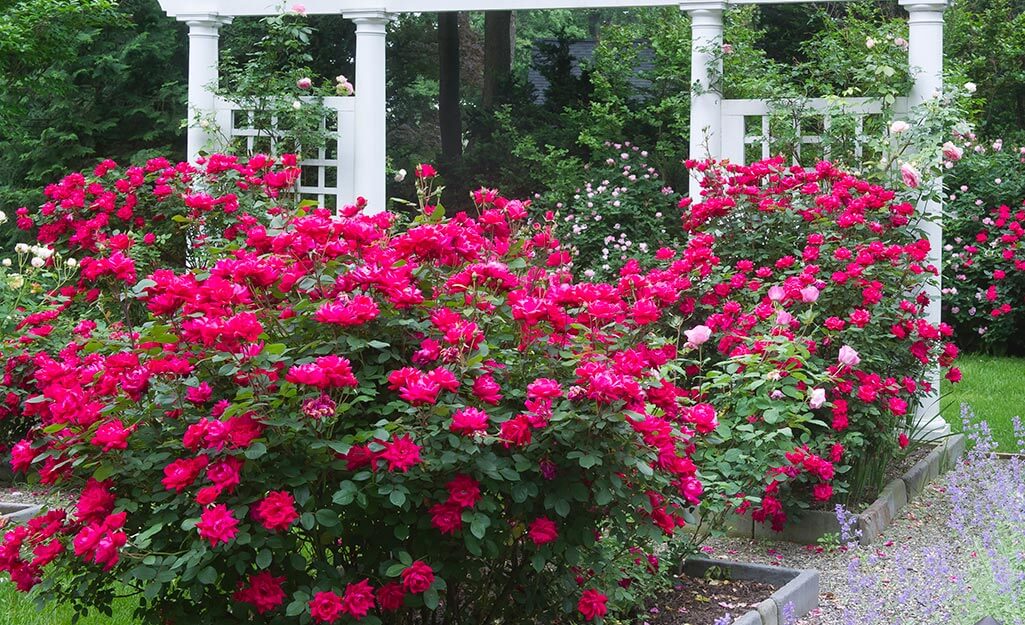
Knock Out Roses․ Still the workhorse for a reason․ They bloom from May until frost‚ take our clay soils better than most‚ rarely need spraying‚ and after two growing seasons a single shrub is 3-4 feet tall and wide․
New Dawn and Zephirine Drouhin are two varieties of climbing rose that cover trellises‚ arbors‚ and fences throughout the area․ Given a good support structure and full sunlight‚ they will cover a 6-foot-high arbor completely within two to three years․
In addition to the Knock Out series‚ Drift roses are a good choice for small spaces and border plantings‚ as they do not grow over 18 inches (46 cm)‚ while other shrub roses can be very large․
Old Garden Roses - If fragrance is your main goal‚ Louis Philippe and Old Blush were grown in Southern gardens for more than a century before modern hybrids arrived and are more tolerant of our humidity․
When to plant roses in Tennessee
For most people‚ September to October is ideal․ The ground is warm so roots get a good start‚ but the plant is dormant and does not waste energy on top growth․ So the plant isn't trying to grow in the heat of summer and quickly take root‚ but can simply be planted in the spring after the last frost date (early April in West Tennessee to late April in the higher elevations of East Tennessee)․
Don't plant in the dead of summer if you can help it․ A rose planted in July must establish roots and survive 95-degree afternoons․ Even with careful watering‚ that's a rough combination․
Site and Soil Prep That Actually Works Here
Roses generally need a minimum of six hours of direct sunlight but in Tennessee's summer heat and humidity the plant does better with morning sun and some afternoon shade․ This has been found to keep the plant from stress and allow flowers to develop without reducing flowering‚ a point not covered in other rose culture guides․
Roses hate wet feet and require good drainage․ Even though it is native clay soil‚ it is easy to compact․ Dig a hole at least 18 inches wide and deep‚ and mix 2 or 3 inches of compost or aged manure into the native soil․ Another common mistake is simply backfilling the hole with bagged garden soil‚ leading to a bathtub effect because water cannot drain into the surrounding clay․
Bare-root roses should be soaked in water before being planted for two to six hours․ Soil is mounded in the bottom of the hole‚ and the roots are spread over it before backfilling․ For containerized roses‚ loosen the root ball‚ plant at the same depth as in the pot‚ and then water․
Watering and Mulching
Newly planted roses need to remain damp‚ not saturated‚ for six to eight weeks‚ an inch of water per week on average‚ more in hot and particularly dry conditions․ Most roses and Knock Out are unaffected by moderate drought once they are established․ Mulch with 2 to 3 inches of shredded bark or straw (pine straw preferred) several inches from the stem to prevent rot and boring beetles․
Pruning in a Tennessee Timeline
Prune just before new growth begins in late February or early March‚ after the danger of the worst frosts have passed․ If pruned in December or January‚ the new wood is tender and may experience hard freeze and the shrub may suffer badly from the cold weather․ Removing dead‚ crossing‚ and diseased canes in early spring‚ and pruning away a third of the plant promotes bushy growth and increases bloom duration․
Pest and Disease Watch
Aphids may be present on new growth in the spring‚ but these are usually blown off by a strong spray of water․ Japanese beetles are a more serious problem from June into August․ Simpler methods include hand picking them from leaves early in the morning when they are sluggish‚ or for black spot‚ spacing plants at least 3 feet (0․91 m) apart to allow good air circulation‚ and watering at the base of the plant‚ avoiding getting leaves wet․
Recommended Companion Plants for Southern Climate Garden Roses
Roses also do well with herbaceous companions that attract pollinators and helpful insects‚ such as bee balm and yarrow․ The Phlox fills in underneath‚ but does not compete for the rose's root space․ The geraniums also serve as ground covers‚ shading the ground and keeping the moisture in during our heat waves․
At TN Nursery we grow and ship shrub roses‚ climbing roses and companion perennials that are grown to be hardy in Southeast conditions instead of the new universal type that's more important than most people realize‚ once they run into a rose that's just not made for our climate․
The Bottom Line
Roses are not hard to grow in Tennessee․ If you learn to plant the right bush‚ in the right season‚ with good drainage and air circulation‚ and choose plants that are resistant to disease‚ you will be rewarded with blossoms from May until frost‚ with not the backbreaking‚ hand-wringing work that was required in years gone by․


