
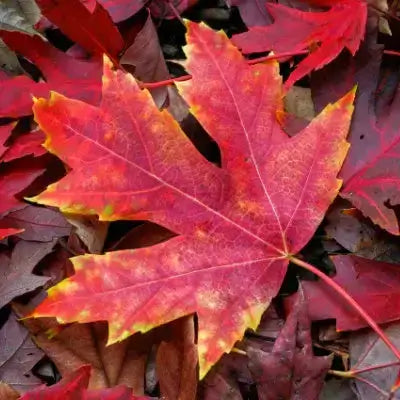
Acer Rubrum (Red Maple) Overview
Acer rubrum, or red maple, belongs to the same family as swamp maple, water maple, and soft maple. Despite being native to North America, this adaptable tree is planted in many regions worldwide.

Maples are commonly found near ponds, streams, lakes, water gardens, and wetlands. Interestingly, they also perform exceptionally well in urban environments, often thriving even more than in rural settings.
The Red Maple develops a trunk diameter of about 25 to 35 inches and can exceed 40 feet in height at maturity. When properly cared for, it can grow rapidly, adding two to three feet per year.
Growth & Seasonal Characteristics
Red maple roots require ample soil space to fully develop. Their primary growing and blooming seasons occur from spring through summer, typically between May and October. During fall and winter, the foliage transforms into vibrant seasonal colors.
Red maples feature smooth, gray bark, while younger stems often appear green. Leaves grow up to 7 inches long, with a soft texture and a bright green color during the growing season. In fall and winter, the foliage shifts into striking shades, adding seasonal interest to landscapes.

New leaves emerge each spring, followed by clusters of small red flowers that bloom from delicate buds. This tree adapts well to a wide range of soil types, thriving in moist, well-drained soils and even medium-to-wet conditions. It performs best in full sun to partial shade and is well-suited to hardy growing zones.
Benefits of Red Maple Trees
Red maple trees play an important role in improving air quality, which is why they are commonly planted in urban areas. They are also valued for maple syrup production and their natural resistance to certain diseases. Their extensive root systems help prevent soil erosion, while their sturdy branches provide shelter and habitat for birds and wildlife.
In addition to these benefits, red maples are low-maintenance and offer an affordable way to enhance home gardens and landscapes.
For companion planting inspiration, explore plants like Soft Rush or browse perennial plants to complement your landscape design.


