
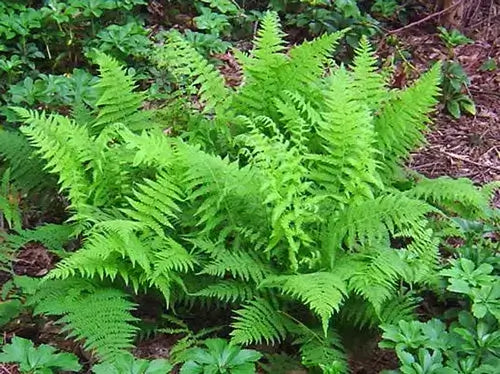
How to Propagate Native Ferns: A Complete Guide for Tennessee Gardens
The fastest way to propagate native ferns is by division‚ where a mature clump is split into several portions‚ with roots and fronds․ The resulting divisions can each be planted․ The average home gardener can expect results in three to four weeks; a divided fern will grow back to its original size in one growing season․ Spore propagation is also possible‚ but due to its slow and fussy nature‚ division is recommended if you don't want to spend your life at the microscope․
Ferns are the class Polypodiopsida‚ and are a group that has been around for 360 million years with some of the oldest plant lineages․ They reproduce using spores instead of seeds like flowering plants do․ Because of their type of reproduction‚ division has become a shortcut for asexual reproduction in ferns‚ taking the sex phase out of the equation․
Division: The Method That Actually Works
In Tennessee‚ the best time of the year to divide your ferns is in late fall or early spring‚ roughly October to March․ The plant is dormant or just waking up․ If you divide when the weather is hot and the plant is growing, then the plant may be shocked, and a portion of it probably won't survive․
When you're ready to divide the clump‚ lift it off the ground‚ or slide it out of the container‚ and shake off excess soil․ You want the roots to be as free from soil as possible․ Most native ferns grow in distinct crowns with their own root ball and fiddleheads (coiled new fronds)․ Some‚ such as Christmas fern and lady fern‚ are easily separated by hand after loosening the roots‚ but others‚ such as ostrich fern‚ form tough woody rhizomes that must be cut apart with a sharp knife or pruners․
It is only necessary that the division has at least one growing point and a reasonable amount of roots․ A division with only a frond and no roots will not survive․ Replant at the same soil depth‚ water well, and keep soil evenly moist for six to eight weeks until new roots reach out to establish the plant in its new location․ Most native ferns will follow a normal watering pattern after that․
Rhizome cuttings for creeping varieties
Many ferns spread slowly by their rhizomes growing at or just below the surface of the ground, spreading into colonies of new ferns․ The rabbit's foot fern is the best known of these‚ but many native woodland ferns spread in this manner․ The rhizomes can also be broken into segments and planted as new plants‚ multiplying the fern without needing to disturb the original plant․
To propagate‚ a piece of rhizome with at least one growing point and preferably one to two small fronds is placed on top of moist sphagnum moss or potting mix‚ laid flat and not inserted very deeply into the media․ Maintain contact with the media and cover the cutting loosely with a plastic bag‚ cut-off soda bottle or a cloche of glass until humidity approaches 70 per cent․ Best light levels are bright shade to below direct sunlight․
Misting‚ until the surface is dry‚ is repeated every 2-3 days․ Roots will appear in 2-3 weeks‚ and the initial frond will emerge after 5-6 weeks․ Once rooted and with two or three fronds developed‚ the cutting can be potted on its own․
Getting the Site Right
The majority of the state is in USDA plant hardiness zones 6b through 7b‚ with the far southwest corner near Memphis in zone 8a․ While almost all native ferns are suited to Tennessee‚ site selection may be more influenced by local microclimate than by USDA hardiness zone․
Native ferns like dappled shade or filtered light‚ as from under a hardwood forest canopy․ They dislike deep shade or afternoon sun․ Beds under mature trees facing east (morning sun) are almost perfect․ The soil should be kept evenly moist‚ not too dry or too wet‚ in the heavy clay soil that predominates in Middle Tennessee․ Compost or leaf-mold mixed into the soil allows drainage without losing moisture․
If starting from scratch‚ TN Nursery's native ferns are grown to match the conditions of the Southeast‚ so the plants arrive from the grower pre-acclimated to the regional humidity and pH levels‚ unlike plants bought from big box stores, which take longer to acclimate to the Southeast․
Ongoing Care
Once established‚ ferns do not require much care‚ and a few maintenance tasks keep them looking good․
During the last weeks of autumn‚ after hard frost has killed all the foliage of deciduous ferns‚ all collapsed fronds should be cut off as close to the crown as possible․ Dead fronds left on the fern can harbor fungal spores and insects that may contribute to crown rot the following spring․ Evergreen ferns like the Christmas fern do not need this treatment and should have their brown‚ torn‚ or diseased fronds removed whenever they occur․
A mulch layer of two- to three-inch can be applied in early spring‚ but should not touch the crown of the plant, or it will stay too wet at the base; pine bark‚ which is slightly acidic‚ is a good medium for this plant's pH preference‚ typical of woodland ferns‚ but shredded leaves or straw can be used as mulch․
Divide again if the clump has outgrown its space‚ and especially if it appears hollow in the middle․ Rapid growth species will require division every three to five years․
New York Fern (Thelypteris noveboracensis): A Good Choice
The New York fern grows in eastern woodlands‚ including most of Tennessee․ It is one of the easier ferns for a beginner to use‚ because it grows in many types of shade and does not care much about soil acidity or nutrients․ Its shape (widest in the middle and the most narrowed at the ends) contributes to its remote recognition․
In maturity, the plants are 2 to 3 feet (0․61 to 0․91 m) tall with fronds of 2 feet (0․61 m) across․ The plants spread by rhizomes to form dense colonies‚ making them useful for filling in gaps on woodland margins or shaded banks where grass would fail to thrive․ It tolerates full shade better than most ferns and often grows beside streams or other permanently moist low spots․
New York fern can spread by itself‚ but can also be propagated by division‚ where a part of the fern growing on the periphery of the colony is taken‚ leaving the original plants unscathed for the growing season․
"

