Pine Trees Used in Landscaping
Pine trees bring year-round green, privacy, wind protection and wildlife habitat to the landscape. They grow quickly, thrive in a wide range of soils and need very little care. Here are four great choices.
The Loblolly Pine
Loblolly Pine is a fast-growing southern pine, hardy in zones 6 to 9, that reaches 60 to 90 feet tall. It grows 2 feet or more per year, making it excellent for windbreaks, privacy screens and shade. Its open crown lets dappled light through to plants beneath. Learn more in our Loblolly Pine facts.
The White Pine
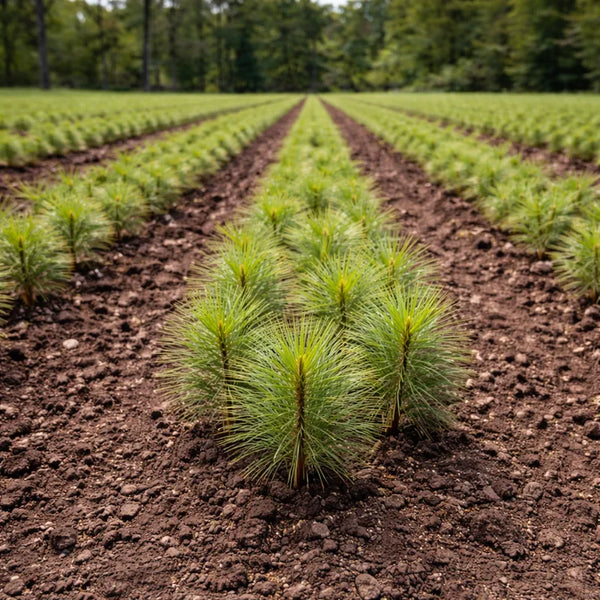
Eastern White Pine is one of the most popular landscape pines. Hardy in zones 3 to 8, it has soft, blue-green needles and a graceful, layered form. It grows quickly to 50 to 80 feet and makes a lovely specimen, screen or windbreak. It prefers full sun and moist, well-drained, acidic soil.
The Virginia Pine
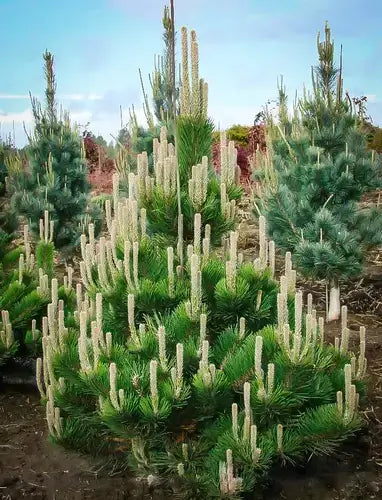
Virginia Pine thrives where many trees struggle, in poor, dry, rocky or clay soils. It typically grows 15 to 40 feet tall with dense branches, making it a fine screen, and it's a classic Southern Christmas tree. It's hardy in zones 4 to 8.
The Yellow Pines
"Southern yellow pine" refers to a group including loblolly, shortleaf, longleaf and slash pine. These pines are prized for their strong, yellowish wood, and in the landscape they provide tall, open shade and shelter for birds.
Tips for Planting Pines
- Plant in full sun with well-drained soil.
- Space trees 8 to 12 feet apart for a screen, or 20 feet or more for individual trees.
- Water regularly the first year, then let nature take over.
- Use fallen pine needles as a free, attractive mulch.
Explore all our pine seedlings at TN Nursery.