
Pine Trees For Sale: A Tennessee Grower's Guide to Choosing the Right Pine
No‚ if you want this pine tree to flourish after that first humid Tennessee summer‚ you need a Zone 6 or Zone 7 pine‚ not that pretty mountain pine that looks so good in the catalog photo but sulks in the hot Southern red clay․ TN Nursery grows all our stock in Middle Tennessee․ The other tough pines‚ Eastern White‚ Loblolly‚ Virginia and Austrian‚ have been grown here under our winter temperatures‚ our July humidity and our red clay soil until tested in the field and found to be acceptable․
What Actually Grows Well Here
However‚ many garden centers do import "unusual" pines such as the Korean pine‚ the Swiss stone pine‚ and the limber pine from cooler dry mountain regions of the western United States where summer humidity is lower․ To be honest‚ they usually don't grow too well in the summer humidity of Middle Tennessee․ We'd rather tell you that than sell you something that struggles for three years and dies․
This is what should be on the landscape of Tennessee․
The Eastern White Pine is probably the most versatile pine for our area․ Once established‚ the tree can grow 2 to 3 feet in height each year‚ reaching a height of 50 to 80 feet․ The foliage is soft blue-green in color‚ instead of prickly like most other pines‚ and not harmful to people‚ children‚ or pets; this means that it may be planted as far north as summer zone 6 winters․ It is useful as a high-quality fence or windbreak if planted 10 to 15 ft (3․0 to 4․6 m) apart․
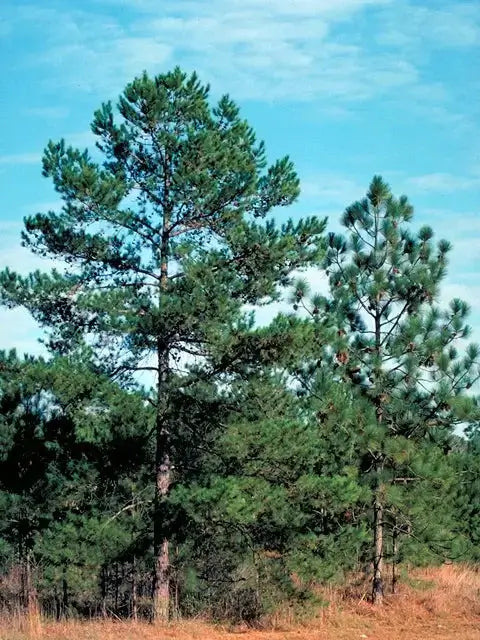
Loblolly Pine is probably the easiest pine to grow in the southeastern United States and naturally occurs in almost all of Tennessee․ It is a fast-growing tree‚ and in a strongly favorable year‚ may grow as much as three feet (1 meter)․ Once established it is not unusual for it to reach a height of between 60 and 100 feet (18 and 30 m) and so it may make a good windbreak or quick growing type of timber tree if you have the room․
Despite typically reaching only about 40 ft (12 m) tall‚ Virginia Pine is better suited to colonize and establish populations on sloping and droughty sites due to its ability to thrive in compacted‚ rocky‚ dry soils where other tree species are unable to survive and reproduce․
Once established after about 2 years Austrian Pine is quite drought tolerant and wind resistant and is well suited to exposed areas and to heat from pavement and buildings․
When planting‚ and how‚ makes a difference․
Late October to early December is generally the best time to plant a tree in Tennessee when the ground is still warm for rooting‚ and summer's heat is gone․ The second best time is late February to just prior to bud break when trees are dormant․
You should dig hole twice as wide as the root ball and not deeper․ Planting depth is one of the most common causes of first-year pine mortality․ Do not plant deeper than the root flare (where the tree flares out at the base of the trunk)․ Backfill the hole with the soil that was excavated․ Avoid excess compost‚ however‚ because pines prefer a lean soil and if compost pockets form in the planting hole‚ the roots can loop around‚ twisting the stems․
During their first year‚ they should be deeply watered once a week‚ so the top 1 to 1․5 in (25 to 38 mm) of soil is kept moist․ If the rain is not adequate‚ this can be done by 30 to 45 minutes of watering with small trickle tubing placed at the tree base․ Once established‚ Tennessee pines are drought tolerant and do not need additional watering unless the region suffers from a summer drought lasting three weeks or longer․
If you use mulch‚ keep it 2 to 3 inches deep and in a ring as wide as the tree's drip line‚ not piled against the trunk․ There's no magic cure‚ and wood rot and rodent nibbling are common annoyances‚ even with ornamental use in residential landscaping․
Soil and Spacing Specifics
Most of pines tolerate a pH of between 5․5 and 6․5‚ which is the pH of most soils throughout Tennessee․ In clay soils‚ adding small amounts of pine bark fines to the pit may improve drainage with little effect on the pH of the surrounding soil in the plant hole․
This will depend on the intended function for the trees‚ but as a general rule‚ in a dense privacy hedge‚ most pines need to be 6-8 feet (2․0-2․4 m) apart‚ and may need to be thinned out at around 15-20 years of age‚ once they begin to feel crowded․ For specim

