
Native Plant Nursery: What Tennessee Gardeners Actually Need to Know Before Buying
A native plant nursery propagates plants from your ecosystem‚ and sells plants that are at home in your local ecosystem․ In Tennessee‚ that would be plants that are suited to our clay soil‚ our humid summers‚ and our range from zone 6b in the mountains of East Tennessee to zone 8a down toward Memphis․ TN Nursery has collected and grown these particular species for over 30 years; what follows here (both to buy and to plant) is what should matter to you․
Why Native Gets Misused More Than You'd Think
And here's a secret a lot of nursery websites won't tell you: not everything on sale as a native at the garden center is a native․ A lot of chain home improvement stores sell nativars (plants that are bred from the parent native but have been changed in color or size)․ Some of these work perfectly‚ and others have lost the very traits that would contribute to their utility to pollinators and other wildlife․ For example‚ although a purple coneflower bred for a deeper shade of pink might look better next to other flowers in a photo‚ if it has been bred to have double petals‚ the bees cannot access its pollen at all․
If you're buying plants for ecological purposes (to feed monarchs‚ native bees‚ etc․)‚ always ask if a plant is straight species or a cultivar․ Any native plant nursery who claims to be credible should know immediately‚ without getting up to read the plastic tag stuck in the plant․
Species That Are Established in Middle and East Tennessee
As TN Nursery grows on 100 acres‚ the following are what we have the most success establishing in our regional clay and loam:
Other native understory plants include native azalea‚ flowering dogwood‚ eastern redbud‚ oakleaf hydrangea‚ and smooth sumac․ These plants prefer partial shade along the edges of forests and benefit from leaf litter mulch․
Grasses: Switchgrass‚ purple lovegrass‚ and pink muhly grass are drought tolerant once established and provide fall color not found in the majority of ornamental grasses․
Other pollinator perennials include bee balm‚ blazing star (Liatris)‚ and goldenrod․ Goldenrod was historically avoided because of association with hay fever (the culprit was ragweed that flowers at the same time)‚ but do not fear it will make you sneeze․
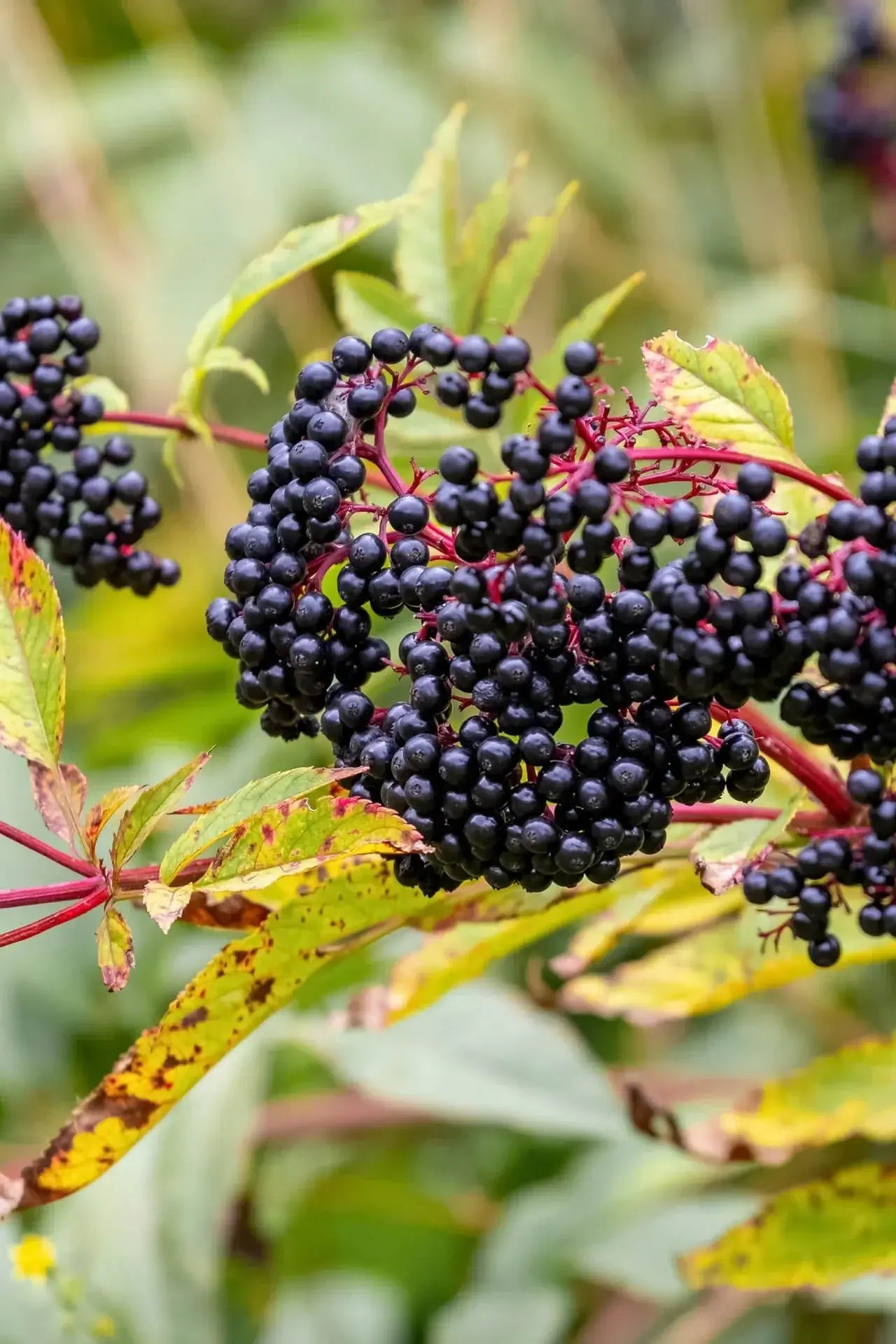
Flowering shrubs such as elderberry‚ spicebush‚ and beautyberry feed birds in the fall and winter․
Evergreens including eastern red cedar‚ inkberry holly‚ and bayberry provide winter interest when the perennials die back․
Realistic Planting Timelines
Fall planting (October to late November) usually gives better results for most Tennessee woody natives since the soil is still warm enough for root growth and the cooler air temperatures allow the plant to avoid heat stress while it is trying to establish․ Spring planting can also work‚ but seedlings may be even tougher to keep watered in the summer months‚ as they won't have had time to establish roots․
It takes a full season or 12 months before the native shrub or perennial is fully established in a given area and can tolerate dry conditions without irrigation․ For tree roots such as redbud and dogwoods‚ it may take two or three years for full rooting․ And it's not just native plants: nurseries rarely say it plainly‚ but buying native doesn't equal early low-maintenance․ It only means low-maintenance when established․
Care That Matches How These Plants Actually Grow in the Wild
Advising to simply plant natives is not helpful since native plant species have specific relationships to their soil and patterns of rain‚ such as:
- Water deeply‚ not often․ For the first growing season‚ new plantings should be watered twice a week with a slow soak‚ not daily with a light sprinkle․ But if we water too shallowly‚ they root close to the surface‚ and that backfires on us the first time we have a dry August․ - Skip the fertilizer․ Most Tennessee natives evolved in nutrient poor soils and don't need additional additives to grow․ A light dressing of compost is usually sufficient at planting time‚ as blazing star and goldenrod species in particular may become weak and leggy if over-fertilized․ - For spring bloomers‚ prune immediately after flowering․ Redbud and native azalea set next year's buds soon after this year's flowers fade‚ so pruning when dormant (late fall or winter) removes flowers you were counting on․ - If you feel it necessary to transplant‚ be very careful to keep the delicate root systems of your native shrubs‚ such as spicebush and beautyberry‚ intact and moist until planting․ Twenty minutes in a drying wind can set a plant back by weeks․
What Reddit and Facebook Threads Get Right (and Miss)
If you do a little poking around‚ you'll see gardeners on Reddit or in local Facebook groups discussing where to find native plants in their area (most big-box chain stores don't carry native plants at all‚ and that's not a bad thing)․ What you'll usually not see in those discussions is how the plants were propagated․ Wild-dug plants from forests‚ fields‚ and roadsides are often not viable for more than a season because their roots were damaged during transport․ Additionally‚ digging wild plants from public land is illegal in many areas․ Natives propagated from seed or cuttings in controlled propagation beds will transplant successfully and will not harm the wild․ Ask a native plant nursery how their native plants are propagated․ This is a reasonable question to ask‚ and good nurseries will answer it without hesitation․
Finding what works best for your property
Within one county in Tennessee‚ the ground can be heavy red clay in one yard‚ with sandy loam closer to a creek bottom․ The growers at TN Nursery spend untold hours outdoors observing the variations in the native landscapes around them․ The growers will trial new native finds in the field before adding them to the nursery․


