
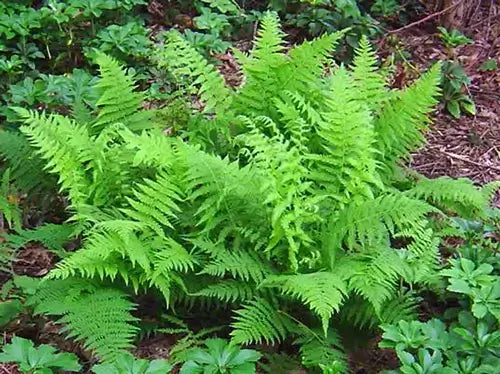
How Native Ferns Adapt to Local Conditions (And Why That Matters for Your Garden)"
Native ferns have survived the summer heat and humidity‚ clay soils‚ and freeze and thaw conditions of Tennessee for thousands of years․ A Christmas Fern in the wild in the Cumberland Plateau today is still affected by the climate‚ surface and soil chemistry‚ and timing of rainfall‚ but it is the product of adaptation by natural selection under similar conditions over many generations․ That's not something a fern shipped in from a nursery in Oregon can replicate overnight‚ no matter how well it's cared for․
This is much more important than most gardeners realize when they're standing in a nursery wondering what to plant under their oak trees․
The Adaptation Advantage‚ Explained
Ferns native to the Southeast (zones 5 to 8; most of Tennessee is zone 6) have developed adaptations that other varieties of ferns lack․ For example‚ the roots of Southeast ferns can tolerate clay soil‚ which is slower to drain than soil mainly composed of sand or loam‚ and can remain boggy for several days after heavy rainfall in spring․ Southern Lady Fern and Christmas Fern will often tolerate these conditions and avoid rotting‚ but any native species adapted to the well-drained mountain soil of the west will often die within a season․
Another factor is when rain comes․ Most of the state's important rains occur in spring and early summer‚ with a dry period in late July and August․ Native ferns such as Ostrich Fern and Cinnamon Fern have adapted their life cycle so that most of the photosynthate is spent on growth during wet periods and almost none during dry periods‚ when they go dormant․ For this reason‚ an established fern bed usually requires no additional watering after the second year․ Non-native transplants may need to be watered throughout a hot Tennessee summer to survive․
Then there's the freeze-thaw issue‚ which trips up a lot of transplanted southern gardeners․ Middle and East Tennessee can swing from 60 degrees to a hard freeze within 48 hours in February or March․ Native ferns have root crowns that can tolerate this kind of temperature whiplash‚ while many fern species that are grown or harvested from locations with milder winters cannot․ Such events can set back or kill these ferns․
What This Means for Pest and Disease Resistance
Native ferns have grown up alongside the fungi‚ insects‚ and soil bacteria present in the ecosystem of Tennessee‚ and have developed defenses to cope with them‚ while the same has not occurred in ferns imported from elsewhere․ Nothing is bulletproof‚ but you will spend far less time treating fungus or fighting insects․
I have found that Marginal Wood Fern‚ for example‚ has an intrinsic resistance to leaf spot fungus‚ which is common in shaded‚ humid gardens in mid to late summer․ By contrast‚ some of the cultivars of fern that I tried required regular fungicidal treatment to keep their fronds looking nice in our humid conditions‚ particularly between June and September‚ when relative humidity typically exceeds 70%․
Soil and Light: Matching Ferns to Their Actual Native Habitat
Not all native ferns want the same conditions‚ and this is the main place that a lot of generic information on ferns falls apart․ Figuring out the specific habitat it evolved with is a lot more telling than simply saying "part shade‚ moist soil․"
One well-known type of fern is Royal Fern․ Royal Fern‚ and many other ferns‚ grow in boggy‚ wet places‚ like alongside a creek‚ or in depressions of forests․ They can also be found by a downspout in your garden‚ or any place where the ground is always moist․ The plant will be disappointing in mediocre garden soil that is dry between the rain․
Christmas Fern was adapted to well-drained rocky slopes and the dry shade of mature hardwood forest․ It is one of the few ferns that will tolerate the dry shade conditions that are common in home landscapes in Tennessee: under large oaks and maples where the roots suck moisture out of the topsoil before anything else can get to it․
Ostrich Fern does best in rich soils that stay consistently moist․ Once established‚ Ostrich Fern is a vigorous spreader via rhizomes: within three or four years‚ one clump can become six feet across․ This is a good thing if you want to fill a large shaded bed quickly‚ but is something to consider if space is limited․
Realistic Timelines for Establishment
One thing a lot of articles gloss over: native ferns don't look like much their first year in the ground‚ since you're mostly watching for root establishment below the soil line‚ and the top growth is unimpressive․ By the second year‚ the fronds are fuller and the clumps are wider․ The third year is when a native fern planting starts to look like the verdant established ground-cover people picture when they think of a fern garden․
Unlike most ornamental perennials‚ which flower their first year and decline thereafter‚ native ferns are slower to become established but require less attention over the subsequent 10 years or more․
Supporting Local Ecosystems
Beyond direct utility‚ native ferns provide habitat for insects and other animals that depend on them for food and shelter․ Many fern species' roots interact with mycorrhizal fungi in the surrounding soil‚ both gaining nutrients directly and improving the quality of the soil more generally for the benefit of other flora․ Certain native ferns can provide protective cover and habitat for ground-dwelling insects and small amphibians‚ and consequently‚ for higher animals such as birds and other vertebrates․
Some native ferns have become rare in the wild because their habitats have been destroyed by residential and commercial development and logging․ While ferns growing in cultivated landscapes cannot replace conservation efforts in the wild‚ their cultivation contributes to holding onto genetic diversity and keeping the populations going․
How to Choose Native Ferns for Your Area
The TN Nursery grows and ships the following native Southeast ferns: Christmas Fern‚ Ostrich Fern‚ Cinnamon Fern and Southern Lady Fern․ We take the naturally occurring ferns and propagate them for Tennessee's soil and climate․ Our ferns have faster establishment rates and require less maintenance than ferns grown in a non-TN climate which do not adapt well to TN soil․
The most important thing you can do is to know the conditions in your garden‚ such as how much sunlight there is‚ whether the area is constantly wet or dries out‚ and what is growing in the rest of your garden․ Choosing a fern that is suitable for your conditions is the way to ensure that your fern will be happy for the next twenty years‚ as opposed to being replaced every two seasons․


