
Pathways to a Sustainable Future
The challenges of climate change‚ depletion of global resources‚ urbanization and the pressure of population growth have made sustainable development even more relevant․ Sustainable development strategies are important to improve sustainability‚ ensuring that future generations can live on the planet that is equivalent to or better than those in the present․ The sustainable society must be based on new values and practices of a scale commensurate with that action‚ whether at the individual‚ household‚ community‚ national or planetary scale․ Among these practices are such things as urban gardening‚ composting‚ water recycling and renewable energy․ Only through people who are committed to this philosophy will it be possible to overcome the great challenges to achieve a sustainable way of life․
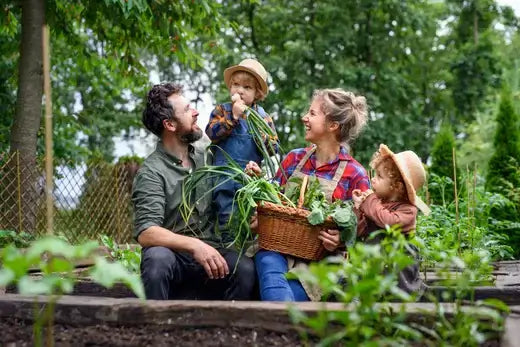
Urban agriculture can be an answer to food supply and food security and the creation of the resilience and sustainability for urban areas‚ especially in the context of increasing urbanization and the squeeze on available arable land in rural areas․ Rooftop gardens‚ community gardens‚ and vertical farming are all forms of urban agriculture․ Urban agriculture provides many benefits‚ including a supply of fresh produce and a lower carbon footprint due to the reduction in food transportation․ Urban agriculture can also provide social interaction‚ exercise‚ and psychological benefits․ It can help to reconnect people with the food system‚ and provides an opportunity to teach locals about nutrition and horticulture in a hands-on environment‚ helping to create a more conscious society․
How Waste Management is Important for Sustainability
Waste management schemes can also reduce our environmental impact․ Disposal of waste in landfill on the site or deep underground has until recently been the obvious option‚ but growing amounts of waste and the limited land space mean that this can no longer be seen as a sustainable option․ If organic waste can be diverted from landfills (such as through composting) and a recycling program is put in place‚ the amount of waste sent to landfill can be dramatically reduced․ By further reducing other waste streams through community programs‚ a circular economy can be developed․ Public awareness campaigns around waste minimization‚ re-use and recycling can be a useful tool to encourage and educate the community‚ and to promote a behavior change and sense of stewardship around waste and environment․ Every little bit counts to reduce the footprint on the natural environment․
Water is important to all life‚ and conservation methods are used to save it especially when it is scarce‚ such as during a drought‚ when population pressure is high‚ or when global warming is affecting the environment․ Leaky water taps and toilets can be fixed to reduce wastage in household use․ Water-saving devices and appliances can be used‚ as can drought-resistant plants․ Rainwater harvesting systems that are built for the home can be a distributable source for irrigation and cleaning․ Education and awareness of water issues within the community can be used to promote the importance of water conservation and to help ensure that communities have a better understanding of their use of water resources and how they can preserve them for future generations․
In contrast to conventional fossil fuels‚ which have been mainly responsible for economic growth and development in the modern world but also for environmental deterioration and climate change‚ renewable energy sources (like solar‚ wind‚ and hydroelectric power) are seen as having the potential to reduce greenhouse gas emissions and reliance on finite resources․ These sources of energy are commercially available‚ and communities investing in renewable energy projects can enjoy the economic benefits of job creation in green technology industries and improved local energy security․ Although the government and other companies must lobby to pass the relevant legislation‚ the transition is faster when the public is supportive and engaged․
Working Together Toward Sustainability is Key
Community involvement is essential for sustainability efforts․ Top-down sustainability efforts must be replaced by bottom-up efforts that start with and are driven by the desires of the people they affect․ Encouraging residents to discuss sustainable living and participate in workshops‚ volunteer opportunities‚ or community events can foster a sense of ownership and pride in local sustainability efforts‚ and potentially lead to a wider array of ideas and solutions․ These activities encourage friendship and collaboration within the neighborhood․ Education works to empower individuals with the skills necessary to implement sustainability efforts in their communities‚ thus addressing the world's sustainability challenges․ By promoting sustainable living practices through education‚ individuals and communities can work collaboratively using these skills to ultimately create a more sustainable future․
Sustainable development must take into account several factors to succeed․ Urban agriculture‚ waste‚ water‚ and renewable energy are all areas which can be positively impacted by public engagement on the local community level․ Participation of society at large is also critical to long-term sustainability efforts․ In the end‚ our new practices will make it possible to dismantle this system of consumption and waste‚ to reshape our relations to the environment‚ to protect the Earth and improve the quality of our lives now and in the future․ By working together to cultivate innovation and a culture of engagement‚ we can hope to build a more sustainable future․


