
Winter Preparation for Garden Plants
As the golden hues of fall start to fade and the first brush of winter frost slides in‚ it is time to start preparing the garden for the cold‚ dark days of winter that lie ahead․ While many look at winter as marking the end of the garden season‚ with a little forethought it can represent a time of dormancy and renewal․ By knowing how to prepare your plants for winter‚ not only will you protect them from harsh winds and frost‚ but ensure they will flourish with the return of spring․ Here is a collection of the best things you can do to protect your garden through winter‚ allowing it to thrive year after year․
The first and arguably most important step is the selection of plants with hardiness to the cooler conditions that will be encountered at the new site․ For planting in the colder climate‚ then it is sensible to choose either natives or proven hardy cultivars․ Plants such as hellebores‚ ornamental grasses and some evergreens can withstand frost and snow‚ and still look attractive even in wintertime․ And it may also be helpful to group plants with similar hardiness together‚ in order to create microclimates where the plants will be sheltered from the worst of the winter weather․ This means that you are not only selecting your plants to survive‚ but also to thrive with the seasons․
Mulch Provides Insulation for Plants in the Winter
Mulching is a common process of winterizing plants․ A thick layer of mulch provides insulation to the roots of the plant‚ protecting them from cold temperatures․ Organic mulches such as straw‚ leaves and wood chips retain heat in the soil while decomposing and adding nutrients to the soil․ Mulch should be laid to a depth of 3 to 4 inches and away from plant crowns․ Too much moisture in this area can cause rot to its plants․ Check your mulch throughout the winter season‚ as strong winds and heavy snow and ice may have moved the mulch out of place․ A properly mulched garden can mean the difference between plants thriving or some struggling to even become active in spring․
Periodic pruning is another common practice‚ often performed at the end of the growing season during the winter months to keep the plants healthy․ Some plants need a hard cut in the fall to prevent diseases or allow proper airflow․ For others‚ removal of dead or damaged branches is sufficient․ Different plants have different needs; pruning at the wrong time or in the wrong way can stress or even kill․ Pruning should occur on a dry day to avoid encouraging or spreading disease․ Cutting through weak stems cleanly is the best way to achieve your plants' neatest silhouettes and healthiest structures‚ preparing them for a much more vigorous life in the years ahead․
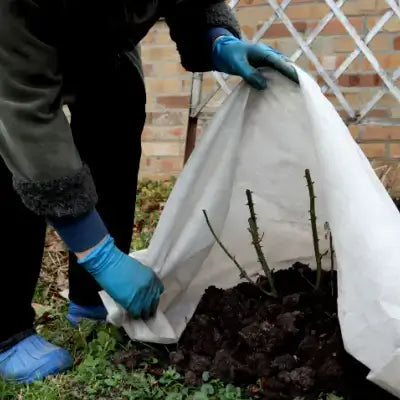
Mulching and pruning are just two methods for dealing with the harshness of winter‚ but frost blankets‚ row covers‚ and many items found around the house such as burlap can all be used to protect tender plants from the winter's cold wind․ The covers should be loosely draped over the plants so as to protect them‚ yet allow enough air flow so as not to smother the plants․ Wind can easily blow these covers away‚ so they may need to be staked or weighed down․ Creating another layer inside the covers where air pockets can be formed may also help to insulate the plants underneath from the cold․ This method can also be used to help protect other plants from frost during the winter months․
Companion Planting in Winter is Beneficial for Plants
Few people know of the practice of winter companion planting‚ but it can be useful for protection and improvement․ Symbiotic plants can repel and distract pests‚ share nutrients and improve microclimates for plants sharing the garden․ In winter‚ for example‚ plants such as kale can be grown with garlic to maximize space while deterring pests; cover crops can be grown before or after the garlic or other crop is harvested to improve soil quality and prevent erosion․ This encourages a rich diversity of plants‚ which improves the natural resilience of the garden to winter's harshness‚ allowing it to live in harmony with nature․
It is sometimes difficult to think about the work to be done in your garden next spring amid the whiteness of winter snow․ But given proper protection‚ careful assessment of the hardiest varieties‚ and good mulching of your plants‚ your efforts next spring will help ensure that all your plants will come through the winter successfully․ Pruning as well as companion planting can also help contribute so that your garden will be able to survive the winter months․ After spring arrives‚ you will see your garden flourish with many colors and a healthy abundance of growth due to the work you have put into it during the winter․ With time and care‚ your winter landscape can be a work of art‚ a living testament to nature's resiliency․


