
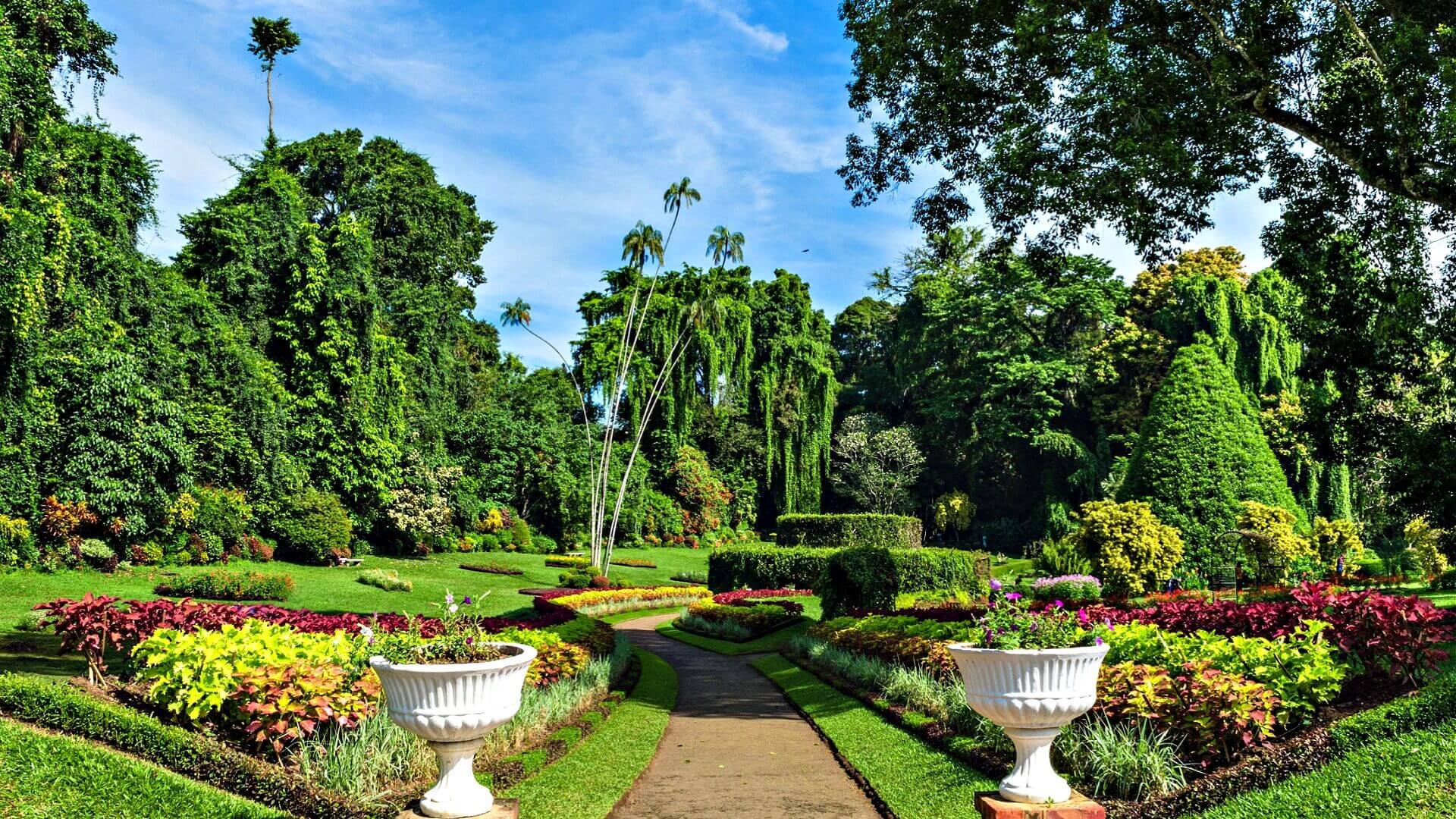
How To Landscape On A Tight Budget: A Practical Guide For Tennessee Yards
You can landscape your yard for pennies on the dollar by planting perennials rather than annuals‚ mowing and edging your own lawn‚ using free mulch covers such as leaf litter and pine straw‚ and buying plants at the right times of the year․ While the average landscape in Tennessee costs anywhere from 3000 dollars to 15000 dollars‚ a homeowner willing to do the work and shop wisely can achieve the same results for under 500 dollars a season․
The climate in Tennessee is a great help: USDA zones from 6b to 7b cover the bulk of the state and even zone 8a in some of the warmer localities near Memphis․ This range covers an astounding number of perennials‚ native shrubs and groundcovers that will return year after year‚ every year‚ without ever needing to be replaced․ The trick is knowing how to buy‚ when to buy‚ and how to minimize the cost of maintaining them once they’re planted․
Start With A One-Page Plan‚ Not A Wish List
Before you spend a dime‚ walk around your whole property with a pad in hand․ Bare dirt around your foundation‚ an entryway that looks like a neglected loading dock‚ a slope that washes out every time it rains: those are the elements that have the biggest impact on how much your yard reads․ Don’t try to do it all․ The biggest mistake that budget-minded homeowners make is trying to do it all at once‚ instead of finishing one bed at a time․ Focus on two or three problem areas and budget accordingly for the next season․
Mow It Yourself And Do It Right
The typical cost of a service to mow is $40 to $75 a week; if done weekly during the lawn growing season‚ this adds up to over $1500 a year‚ making this chore the biggest single line-item savings for most homeowners․
Some details are more important than others‚ such as keeping the mower blade on your lawnmower sharp․ Dull blades rip grass which stresses the plant and makes it more vulnerable to diseases and pests․ Mulching blades leave clippings on the ground to decompose and feed the soil‚ rather than being collected and thrown out on the curb․ They perform much better if you mow dry grass․ Wet grass clumps and matted grass can smother the lawn underneath․ Change up the mowing pattern every few cuts to avoid compaction and ruts from forming in the soil‚ especially in Tennessee’s clay-heavy soil․ Simply edging along driveways‚ sidewalks‚ and the edges of planting beds takes an additional 10 minutes‚ but will make your whole yard look just as good as the mowing․
Stop Overplanting
And this is most peoples’ budget buster․ Homeowners think a dozen shrubs will fill in their new bed but it is empty from day one‚ and crammed with plants within two or three years․ Dwarf hydrangeas sold as small green balls will grow to four feet across․ Space for that․ If that horrifies you‚ mulch or plant inexpensive annuals between plants the first year․ As a bonus‚ you will spend less now‚ and you will not have to pay to rip out and replace overgrown shrubs later․
Use Free Mulch Alternatives Where Possible
Bagged mulch adds up․ A mid-size flower bed can eat through $150 or more in mulch alone if you’re buying bags at a big box store every spring․ There are several alternatives that work equally well to retain moisture and suppress weeds:
Grass clippings left behind when mowing can be used to mulch vegetable beds and perennial borders by spreading in thin layers (as in compost) so they do not mat down and compost․ Fallen leaves‚ shredded by one pass with a mower before applying to the garden‚ make a free soil conditioner when left to decompose over the winter․ East Tennessee lawns and gardens are blessed with loblolly pine and shortleaf pine‚ and an abundant supply of pine needles for mulch․ Pine needles are very acidic‚ making them ideal for azaleas‚ hydrangeas‚ and other acid-loving plants that prosper in East Tennessee gardens․
Buy At The Right Time
Nurseymen discount trees‚ shrubs‚ and perennials at the end of the growing season (generally late August through October in Tennessee) while the roots have several more weeks in the warm earth to start growing again‚ before plants go into winter dormancy․ This probably explains why perennials generally do better if planted in fall rather than spring․ You will also get the best prices on soil amendments‚ moss‚ and other alternatives to mulch when their seasonal stock is being cleared․
Choose Perennials Over Annuals
Annuals look great for one summer then you are buying and planting the same bed again the following spring․ Perennials are often pricier but come back year after year‚ many of them spreading and filling out over a few seasons without further cost․ Coneflowers‚ black-eyed Susans and hardy hibiscus do well in all growing zones of Tennessee once established․ TN Nursery sells a large variety of Southeast perennials‚ as well as ferns and mosses for shaded‚ moisture-retentive sites that are impossible to fill economically with common perennials and groundcovers such as hostas or liriope․ Ferns are also an inexpensive solution in the gloom beneath trees where grass refuses to grow and mulch looks inappropriate and empty; many make a happy living filling in bare patches unaided after establishment in the soil․
Divide What You Already Have
Established perennials such as hostas‚ daylilies and ornamental grasses can all be dug and divided every three to four years․ If a neighbor or relative has perennial beds needing to be thinned in spring let them know that you will take divisions before they put them on the compost heap as most gardeners enjoy getting rid of extra plants․
Spread The Work Over Multiple Seasons
Budget landscaping doesn’t mean doing every job as cheaply as possible in a single weekend; rather‚ it’s about spreading out costs by doing them in a sensible sequence․ Address drainage issues and soil problems first‚ as these are the most expensive issues to fix․ Next‚ invest in structural plants such as shrubs and small trees that take longest to grow․ You can fill in with perennials‚ groundcovers and add mulch once the bones of the design are set․
A well-designed and well-planned garden does not have to be expensive‚ it just takes patience‚ careful choice of plants that will thrive in the Tennessee weather and a lot of hard work


