
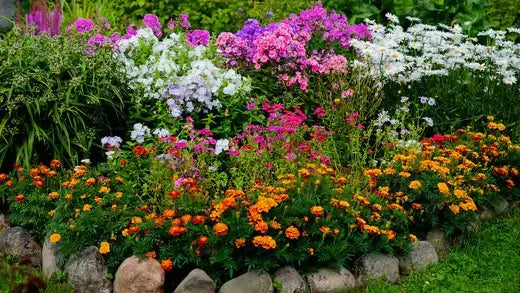
How to Care for a Perennial Garden: A Complete Growing Guide for Tennessee Yards
The six most important things to remember about a perennial garden are: full sun or proper light conditions‚ well-drained soil‚ watering for at least the first season‚ occasional fertilizer in the spring‚ pruning as necessary to keep them attractive‚ and dividing every three to four years when the clump becomes too crowded․ If you remember these basics‚ most perennials will reward you for years and decades with flowers‚ such as coneflower‚ black-eyed Susan‚ daylily‚ and hosta․ Most Tennessee gardeners have it easier yet‚ as the state ranges from USDA growing zones 6b to 8a‚ meaning there is a huge variety of perennials with little winter risk․
Start With Your Zone and Site‚ Not the Plant Tag
Check before you buy: Most of the Nashville area in Middle Tennessee is in zone 7a․ The East Tennessee mountains are in zone 6b‚ and West Tennessee around Memphis is in zones 7b-8a․ This means that a perennial rated as hardy through zone 7 might die in a cold snap on the Cumberland Plateau‚ but thrive in Memphis‚ only a few hundred miles away․
Site selection is of equal importance․ Most sun-loving perennials such as black-eyed Susan‚ coneflower‚ salvia and daylily prefer 6 to 8 hours of direct sunlight per day․ Like hosta‚ astilbe and coral bells‚ shade-loving perennials need protection from the brutal afternoon sun we get from June through August‚ when the heat and humidity can indeed be stifling‚ with temperatures regularly in the mid-90s․ A place with morning sun and afternoon shade is the sweet spot for a huge percentage of perennials‚ especially in the hotter end of the state․
Drainage is the other non-negotiable․ Tennessee's clay soil is a bathtub - soggy roots kill more perennials than any cold winter ever could․ If water stands in the low spot after 30 minutes of heavy rain‚ improve the soil by working in coarse sand-rich compost or making a raised bed․
Preparing the Bed the Right Way
Except for the grass and roots and mulch you have removed‚ loosen the top 8-10 inches of soil by mixing in compost or well-aged manure․ This one step will do more for long-term plant health than any amount of fertilizer you add later․ Use a garden fork or tiller to gig up the soil․ This improves drainage in clay soil and retains moisture in sandy soil․
If a bed is being created from scratch‚ a simple soil test can be done․ Tennessee soil is slightly acidic‚ which is fine for plants like coral bells and astilbe‚ but other perennials like lavender and some salvias may do better with a more neutral soil and a light application of lime․
Planning a Continuous Bloom Layout
The biggest perennial gardening mistake (even a rookie gardener makes) is buying whatever's in flower at the local garden center that week‚ planting it‚ and discovering a garden full of bloom in May but none in August․ Better to anticipate three bloom times: early spring (creeping phlox‚ columbine)‚ summer (coneflower‚ daylily‚ black-eyed Susan)‚ and fall (aster‚ sedum‚ goldenrod)․ Stagger these throughout the bed so that something is always blooming․
Also consider mature size‚ not pot size․ A coneflower that looks like a little tuft in a one-gallon pot will be 18-24 inches wide in two years' time․ You can plant a little closer together now‚ but plan to transplant later․ Annuals can fill in the gaps if they bother you․
It's why TN Nursery divides its perennial collections by bloom time and light requirement: it takes the guesswork out of building a bed that performs reliably from April to October instead of just three weeks in July․
Watering: The First Year Is What Counts
Water the root ball of your newly planted perennials well when planting‚ but do not simply wet the top․ For six to eight weeks‚ water them two or three times a week if not receiving an inch of rain a week․ Tennessee summers may sometimes go three weeks without rain‚ so don't count on nature taking care of it․
Established perennials (generally only by the second growing season) only need watering during prolonged dry periods‚ and the greatest danger is often overwatering to the point of waterlogging‚ especially in poorly draining clay-based soils․
Mulch‚ Fertilizer‚ and Pruning on a Real Schedule
Use 2 to 3 inches (51 to 76 mm) of mulch such as shredded hardwood bark‚ topping up in spring as it breaks down․ Leave a gap of a couple of inches from the crown of each plant to avoid rot․
Feed with a balanced slow-release granular fertilizer once in early spring with new growth․ Do not feed in mid-summer‚ as most perennials do not need it‚ and excess nitrogen in summer causes excess foliage at the expense of flowers․
Once the spent flowers of repeat-flowering species such as coreopsis and salvia have been removed‚ pruning can be performed․ Prune to within a few inches of the ground in the fall after frost has destroyed all foliage․ Seed heads can be left on over winter to feed birds (goldfinches are especially fond of coneflower and rudbeckia seed heads) and provide interest in the winter garden․
Dividing Before Plants Get Too Crowded
Most perennials need division every three to four years but daylilies and hostas can be divided every five or six years․ Plants are good candidates for division if they are dying in the middle‚ are surrounded by a ring of growth that has no foliage or flowers‚ have small flowers‚ or are overgrowing their neighbors․ Spring flowering plants should be divided in fall․ Fall flowering plants should be divided in early spring․ Divisions should be made on a cool cloudy day to reduce transplanting shock․
Tennessee's Common Pests and How to Deal With Them
Japanese beetles are the bane of existence here‚ appearing by the hundreds from late June until July and chewing on roses‚ hibiscus, and some perennials with gusto․ Hand-picking into a bucket of soapy water in the early morning has proven more effective than most sprays․ Powdery mildew on phlox and bee balm can be reduced in humid weather by dividing overcrowded clumps of plants and replanting mildew-resistant varieties․
Once a perennial garden has been planned according to the climate of Tennessee‚ planted in the best possible place‚ and given a little care the first year‚ it will pretty much take care of itself․ Plants that survive the two-year mark here seem to be able to survive for many more years․
"

