
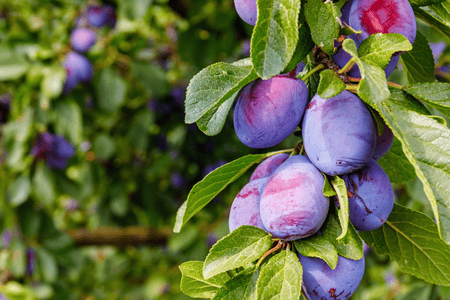
The climate and the soils in Tennessee provide the best environment for numerous varieties of fruit trees. Through the moderate winters of the western parts and cooler mountain valleys of the eastern sides, the state provides great prospects for home orchardists to grow fresh and delicious harvests. Tennessee fruit trees not only yield tasty food, but also beautify the landscape, increase property value, and give gardeners of all levels the satisfaction of growing fruit.
At TN nursery, we have been assisting Tennessee gardeners in choosing the fruit trees that would best fit their particular zone and environment. Although it’s your first orchard, or you are adding to an already established one, planting region-adapted Tennessee fruit trees preconditions the future success.
What Are the Easiest Fruit Trees for Beginner Gardeners?
The beginner-friendly types will be the first ones to be introduced since they will be a sure success, and confidence will be established to go further with the more challenging types of planting. TN Nursery will recommend easy-growing fruit trees that can withstand the fluctuating weather of Tennessee but that demand minimal specialized attention.
Brown Turkey Fig:
The Brown Turkey Fig Tree is one of the most forgiving fruit trees that grows in Tennessee. This tough breed bears sweet and purple-brown figs twice a year in numerous Tennessee spots. Figs are heat-resistant, are adapted to different kinds of soil, and do not need much pruning as compared to other fruit-bearing trees.
Fuyu Persimmon:
The Fuyu Persimmon Tree is noted to be extremely cold-hardy and resistant to disease in the entire state of Tennessee. This non-astringent type bears sweet, crisp fruit that may be consumed even when hard. Persimmons require little spraying; they withstand drought once they are established, and they bring beautiful color in the fall before their leaves fall off.
Dwarf Patio Peach:
In small gardens with space limitations, the Dwarf Patio Peach offers peaches of full size, juicy and packed into small trees that fit well on patios and other small lawns. These are the fast-growing fruit trees that can bear fruit in less than two years and remain manageable at six to eight feet in height; this means that the trees do not require ladders during the harvest season.
Black Walnut Tree:
The Black Walnut Tree is a native Tennessee tree that produces good nuts and good hardwood. Walnuts require more time to grow than other varieties, but once they are there, they practically maintain themselves, and the harvest is also generational.
These are easy-growing fruit varieties that tolerate any novice errors and give consistent deliverables that are worth the effort and investment.
Benefits of Growing Fruit Trees in Tennessee Home Gardens
Planting fruit trees in Tennessee gardens has many benefits that go beyond picking harvests. The knowledge of these benefits enables homeowners to make informed choices on their landscape investments.
- No chemicals added: Home-grown fruit gives total control over the use of pesticides and the time of harvest to bring all the flavor and ripeness to the maximum level.
- Economical value: When there are established fruit trees, they yield decades' worth of fruit, which can potentially save a lot of grocery money—hundreds of pounds a year.
- Environmental benefits: Fruit trees enhance air quality, offer habitat to wildlife, discourage soil erosion by extensive root structures, and encourage useful soil organisms and diversity of microbes. The American Horticultural Society states that fruit trees are healthy in urban forests that serve as urban canopies.
- Educational opportunities: Growing Tennessee fruit trees educates children and adults about the biology of plants, the working of the seasons, and the responsibility of caring for the environment.
- Landscape improvement: Flowering fruit trees work all year round to give beautiful spring, summer shade, fall color, and winter structure.
- Pollinator aid: Fruit tree blossoms are very attractive to bees, butterflies, and other pollinators that are needed in the garden to increase productivity.
How Do I Choose the Right Fruit Tree for My Garden Space?
To choose the proper fruit trees that grow in Tennessee, one would consider a few major factors that would contribute to success and contentment in the long run.
- Climate zone compatibility: Tennessee is located in Hardiness Zones of 6a to 8a. Ensure that selected varieties can survive in your particular zone during winter, and in terms of chill hours.
- Space: Standard trees should have spacing of twenty to thirty feet, semi-dwarf types of trees of fifteen feet, and the Dwarf Patio Peach should be spaced in eight to ten feet or containers.
- Sunlight conditions: The majority of fruit trees also require between six and eight hours of direct sunlight per day to produce fruit optimally.
- Soil factors: Test soil PH and drainage prior to variety selection. Poor drainage should be amended with organic material and compost to enhance healthy roots.
- Pollination requirements: There are fruit trees that are cross-pollinated and others that are self-pollinated. The Fuyu persimmons and brown Turkey figs are self-pollinating and therefore great trees to have.
- Maintenance requirements: Assess your available time for pruning, spraying, and thinning. Fast-growing fruit trees can be attended to more often.
Step-by-Step Guide to Planting Fruit Trees Successfully
With an appropriate fruit tree planting guide, high establishment and future bearing are guaranteed. The fruit trees at TN Nursery are ready to be planted in the garden.
- Timing: Trees planted bare should be in their dormant stage (late winter to early spring), and those in containers can be planted anytime from spring to fall.
- Preparation of the site: Select a well-drained site with the right amount of sunlight. Prepare two or three hole digs three to four times wider than the root ball but not deeper.
- Soil amendment: Added compost and organic substances to the soil to enhance organization and nutrition. The heavy fertilization during planting should be avoided.
- Correct placement: Plant trees in the depth that they were growing in the nursery. In the case of grafted trees, maintain the level of the graft union 2 to 3 inches above ground.
- Backfilling: Fill half a hole, moisten and empty the soil till it has settled in place and all the air has been forced out, and then fill the rest of the hole.
- First watering: Deep watering post-planting and keeping the soil at a consistent level of moisture, also in the first season, is advisable to stimulate root growth.
- Mulching: Add three to four inches of organic mulch to the tree, but keep it a few inches away from the trunk.
Seasonal Care Tips for Healthy and Productive Fruit Trees
Seasonal work is done to keep the fruit trees alive so that they grow well and produce bountiful harvests. TN Nursery offers advice on tree year-round health.
- Care in spring: Sprinkle with balanced organic fertilizer as the buds rise. Check on the appearance of pests and symptoms of disease. Pick marble-sized fruit to enhance fruit size and quality.
- Summer maintenance: Water profusely when dry, and then one to two inches a week. Keep mulch to retain moisture and keep soil temperature moderate.
- Fall preparation: Harvest the fruits only when they are completely ripened. Remove the fallen fruit to decrease overwintering of disease and pests. Put compost around the drip line to assist soil organisms.
- Winter activities: Trim the branches of dormant trees to remove the dead, diseased, or crossing branches. You should also prune the trees to enable the light to enter the site and fresh air to flow.
- Worried regularly: Check trees regularly to see if they are stressed or damaged. The guidelines of fruit tree planting, such as proper watering, mulching, and soil management, are helpful to the health of roots and their general well-being.
Fast-growing fruit trees, such as peaches, are better pruned annually to keep their productivity high, whereas those that grow slowly, such as walnuts, require minimal pruning.
Conclusion
Fruit trees make Tennessee gardens a fruitful scenery, giving fresh harvests, environmental benefits, and long-term beauty. The choice of well-tested plants, such as the Black Walnut Tree, Brown Turkey Fig Tree, Dwarf Patio Peach, and Fuyu Persimmon, allows gardeners to produce a sustainable food source that provides decades of yield in terms of production.
Tennessee fruit trees that are bred to grow in the local conditions can be grown with little interference and produce high-quality and nutritious fruit. TN Nursery has mastered sourcing and growing quality and grade fruit trees that are ready to grow in the garden so that your planting will succeed from day one, whether you are planting the first tree or increasing the size of an old orchard.
FAQs
What fruit trees grow best in Tennessee?
When the appropriate varieties are selected, apples, peaches, pears, figs, persimmons, cherries, and plums all grow in Tennessee and its variety of climatic zones.
Are fruit trees easy to grow for beginners?
Yes, easy-to-grow fruit such as figs, persimmons, and dwarf peaches do not need much care and give consistent harvests.
Which fruit trees require the least maintenance?
Once planted in the right places, figs, persimmons, and pawpaws require little spraying, pruning, and special treatment.
How long does it take for fruit trees to produce fruit?
The dwarf varieties usually bear fruit in two to three years, and the normal trees start bearing after four to six years.
Can fruit trees grow in small yards or patios?
Certainly, dwarf species such as Dwarf Patio Peach and figs that are fully container-grown can grow within a very small area and still yield a full-sized fruit.
Where can I buy fruit trees online in Tennessee?
At TN Nursery, one can find a large selection of fruit trees that have been carefully chosen and shipped to the customer, and detailed instructions on how to plant them come with the trees.


