
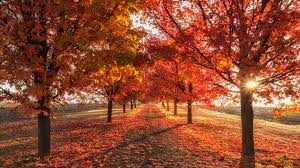
Five Fall Foliage Trees That Turn Your Yard Into a Color Show
Tennessee's five most prominent fall foliage trees (Red Maple‚ Silver Maple‚ Sugar Maple‚ Tulip Poplar‚ and Sourwood) all reach their peak color on different days between late September and the first week of November‚ so you can plant all five and have red‚ gold‚ yellow‚ magenta and burgundy across your yard all in one season․ All five can be grown in Zone 6b to 7b Tennessee․
Here's what makes each one worth planting‚ plus what to expect if you're growing them yourself․
1․ Red Maple (Acer rubrum)
Red Maple is the quintessential fall color tree for the eastern United States․ And for good reason․ In Tennessee‚ color usually begins at the end of September in the highest elevations of East Tennessee․ In Middle and West Tennessee‚ color does not usually arrive until the middle of October․ They're all the colors of the rainbow‚ as you know‚ so you get straight red trees‚ but also orange‚ gold‚ even purplish on the same tree‚ sometimes even on the same branch․
With this dormancy cycle comes a shortening of the photoperiod‚ as well as a decrease in the production of chlorophyll and an increase in the production of carotenoid and anthocyanin․ Red Maple grows fairly fast for a shade tree‚ at 1 to 2 feet per year after establishment․ It is the most clay-tolerant of the maples found in Middle Tennessee․ The TN Nursery sells starter sized Red Maples that are easier to transplant․ The best time to do an initial transplanting of a Red Maple would be the fall‚ to give it time for the roots to grow before the next summer․
2․ Silver Maple (Acer saccharinum)
Less showy than red maple‚ but a workhorse‚ it lines river banks and floodplains across the state․ The leaves are dark green on top‚ but silvery below․ The tree takes on a two-toned appearance as the leaves rustle in the wind and light passes through it‚ an appearance unlike any other maples․ And in autumn‚ that silver is reflected in the golds and burnt oranges of fall․
This is one of the fastest-growing shade trees‚ 3 feet or more a year under good conditions․ This means you will get your shade faster․ The only drawbacks are that the wood is softer and less wind resistant than Sugar Maple‚ and it should not be planted closer than 20 feet from buildings․ The canopy can be 40 to 50 feet across․
3․ Sugar Maple (Acer saccharum)
If Red Maple is the people's choice‚ then Sugar Maple is the connoisseur's choice․ Obviously the tree that gives us maple syrup is also one of the best choices for the most intense fall color․ Chemically what makes it distinctive is its anthocyanin‚ the same class of pigments that give the red color to apples and grapes․ This anthocyanin amasses in the leave as the chlorophyll starts to break down․ The foliage goes from yellow to orange to deep-dark (almost burgundy) red in a two- to three-week period in mid- to late-October․
Sugar Maple is more tolerant of cooler temperatures and well-drained soil than the heavier and hotter clays more common in many Tennessee yards‚ making East Tennessee or Middle Tennessee sites with good drainage and afternoon shade ideal․ It grows at a slower rate than either Red Maple or Silver Maple (about 1 ft/year)‚ but lives much longer‚ sometimes attaining ages well over 100 years․
4․ Tulip Poplar (Liriodendron tulipifera)
Being a magnolia‚ the Tulip Poplar is a very tall tree‚ with mature specimens being over 90 feet․ This makes it one of the tallest native hardwoods of the eastern forest․ Tulip trees produce tulip-shaped greenish-yellow flowers in spring that are seldom seen as they are very high up in the crown․ In fall the large‚ deeply lobed leaves turn bright gold‚ and because the tree is tall and straight‚ the color is visible next to evergreen trees on the forest floor․
It is the official state tree of Tennessee․ With growth rates of 2 to 3 feet a year in the juvenile stage‚ and stunning leaves‚ it is a good choice for a signature tree․ It must be allowed to grow its root system without being hemmed in by other larger trees in the surrounding area․
5․ Sourwood (Oxydendrum arboreum)
Sourwood is the most neglected among homeowners and that's too bad because it might have the best color of the bunch․ Native to the Appalachian foothills of East Tennessee‚ it turns consistently deep maroon-red early in September․ It is among the earliest trees to color‚ and stays colorful for several weeks as other trees lose their leaves․ Its small size (20 to 25 feet at maturity) makes it a good yard tree where a 60-foot maple would be too large․
Sourwood also has pendulous clusters of white‚ bell-like flowers in early summer that attract bees (sourwood honey is a local specialty)‚ so it keeps on giving from spring into summer in addition to fall․
Planting and Care Basics for Tennessee Yards
All five do best if planted as fall transplants‚ from October to early December‚ when the air is cooler but the soil is still warm‚ minimizing transplant shock and allowing the roots to grow before winter dormancy․ Dig a hole that is twice the root ball's width․ Water weekly in the first year after planting‚ but only apply fertilizer the spring following planting․ The roots will establish themselves in the first year․ This is not a good time to apply fertilizer for foliage and height․
TN Nursery grows and ships all five species in sizes suitable for permanent landscape planting․ Having established trees sent to the grower‚ rather than seeds or young seedlings‚ makes a first-time experience easier for the grower․
"

