
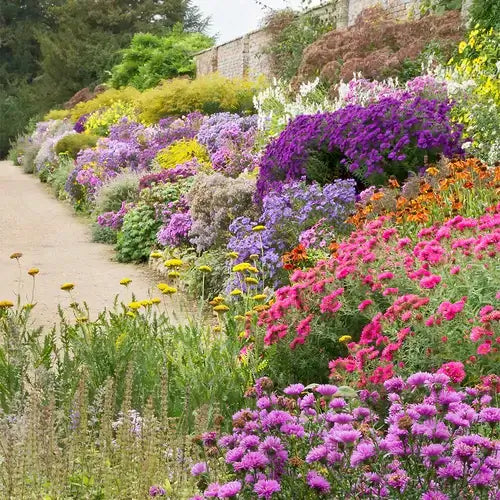
Gardening can be an incredibly rewarding hobby․ It can provide you with an outlet for your creativity and help you develop a deeper appreciation for nature․ But for most people‚ gardening is a daunting experience because the number of things that can go wrong is overwhelming․ With a little bit of good advice and planning‚ you can ensure that your gardening adventure goes as smoothly as possible․ This guide will discuss what equipment you will need‚ how to establish which soil is best for your respective seeds/seedlings‚ how to plant your garden according to season‚ how to water your seedlings properly‚ and how to establish a layout that allows for optimal light and nutrient absorption․
Gardening Tools
Before you start planting your garden‚ you need to invest in your gardening tools․ Taking the time and spending money on good tools now will save time and energy later․ The minimum tools needed by an average gardener are a spade to dig with‚ a rake to level the soil‚ a trowel to plant with‚ and a pair of gloves to protect the hands from the soil or rough materials․ A good pair of pruning shears can be very helpful in cutting and clipping plants as a gardening tool․ A watering can or a hose will help in watering the plants․ You might want to invest in other tools as you get more experienced with gardening‚ but these will be a good start․ Tools are not only useful for preparing and working your garden‚ but also for providing confidence as plants grow․
You will need the right soil for your garden to grow successfully․ You will want to be sure the soil is compatible with the type of plants you want to grow․ Generally a mix of topsoil‚ compost and peat moss is a good choice and helps keep root systems of most plants healthy․ The soil should also be well-drained․ This is so the roots do not rot in the dampness‚ and humidity does not lead to the growth of mildew․ You may wish to test for pH before planting‚ as most plants prefer a neutral pH․ Organic matter can be applied before planting to improve the soil in the event that it needs improving․
Best Timing
Timing is key‚ as each plant has its own growing season․ If you plant your garden according to the season‚ it can provide you with a bounty․ Some vegetables‚ such as carrots and radishes‚ prefer cooler spring weather‚ while others‚ like tomatoes and peppers‚ grow best during the summer months․ A planting calendar can help you remember when to start growing what vegetables at what times of the year․ You might even want to plant at different periods to extend your harvest time rather than having everything come in at once․ This requires you to plant according to your different seasons and goals of each planting‚ giving you a little more to keep track of and organize‚ but much less work․
Watering is another important factor in the success of your plants and garden․ While establishing a routine is advisable‚ each plant has its own watering needs so some will require more water than others․ Some plants require more water than others‚ so knowing when to water can help avoid water stress‚ and overwatering․ Generally‚ watering in the morning is ideal to give the water a chance to soak in before the sun evaporates it․ Consider a drip irrigation system or soaker hoses that deliver water directly to the roots of the plants and do not use more water than is necessary․ Watering deeply and less frequently is better than watering a little every day because it encourages deep root formation‚ making your plants less vulnerable to drought stress․
Garden Layout
Planning the general feel and layout of your garden‚ if you do it broadly enough‚ will make it much more attractive and functional․ Take into account things like sun‚ height‚ and beauty․ Plant taller plants towards the back of the border and lower growing flower beds towards the front‚ so that taller plants do not shade smaller plants․ Use different colored plants‚ different shapes and different heights․ You may choose to include paths or borders of stones so that your plants are easy to tend to․ An effective layout should not only help you to organize your yard or garden space‚ but it should also help you to care for your plants․
As a beginner gardener‚ you will need to develop the characteristics of patience‚ desire to learn‚ and ability to go with the flow when things do not go according to plan; garden life‚ weather conditions‚ pests‚ and plants have a mind of their own․ Be flexible‚ both in your body and mind‚ and be willing to go with the flow as you go about your gardening endeavors․ Enjoy every moment‚ and be proud of your successes‚ no matter how small․ With a little commitment‚ research‚ and creativity‚ you can create a beautiful‚ bountiful garden that adds joy to your life․
To summarize‚ gardening should not be a chore․ With the right tools‚ soil‚ planting methods‚ watering routine‚ and organization‚ it is possible to create a green space that fits into your lifestyle smoothly․ Your time spent maintaining the garden will give you a sense of pride‚ respect for growth and a love for the earth‚ to name but a few․ So‚ roll up your sleeves‚ put on your gardening gloves‚ and just let the greens flow․ With each seed you plant‚ you may find a little piece of yourself blooming right along with your new garden in this celebration of life․


