
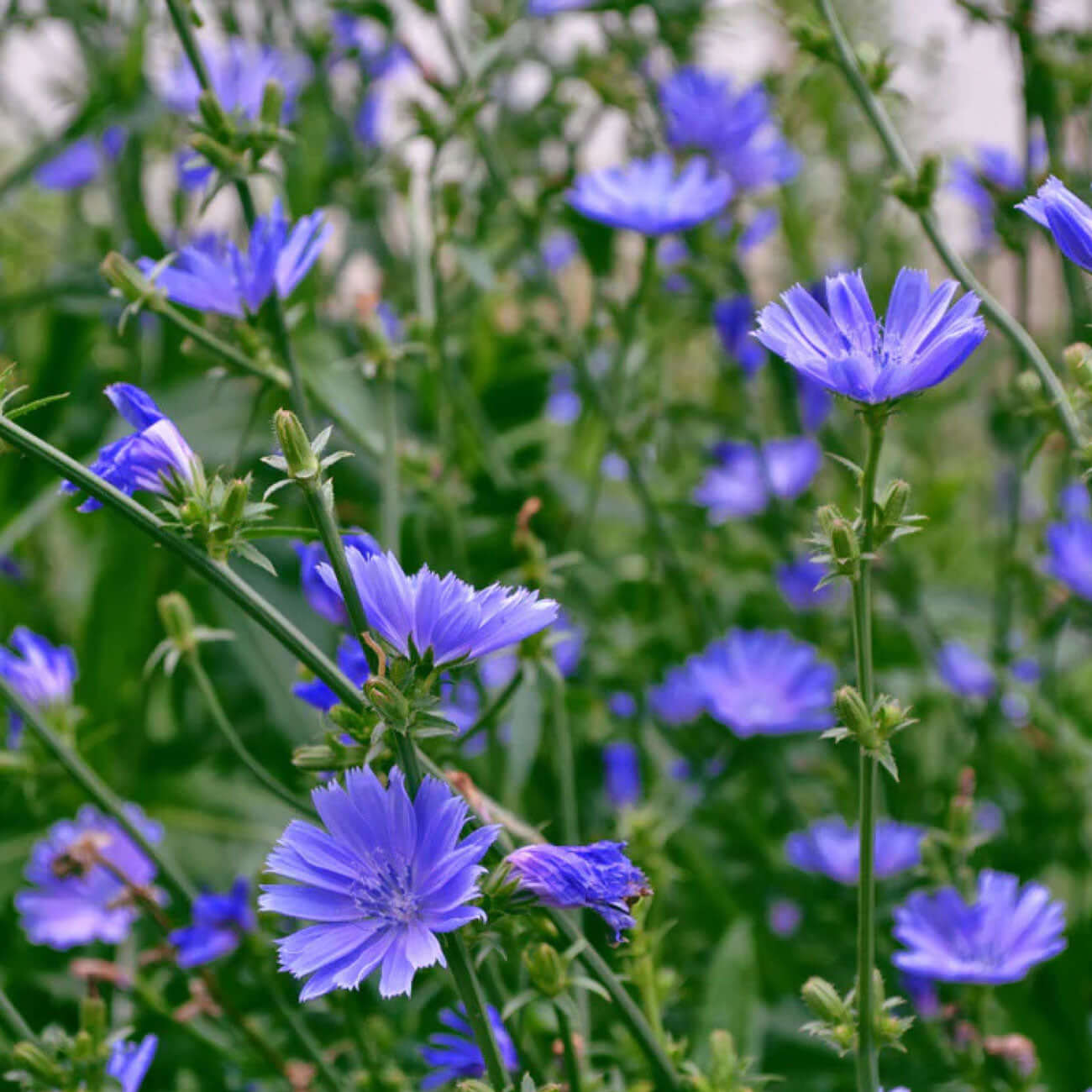
One of the major problems that Tennessee gardeners encounter on a regular basis is how to make their landscapes beautiful and, at the same time, keep the deer out of their gardens. The most appropriate option would be deer-resistant perennials, which possess flowers that are very attractive with foliage that is lush, and which the deer generally shun. These are tough, deer-resistant garden plants that make a concerted effort on nature with their strong odours, furry surfaces, and bitter tastes that turn them into foods of no choice to mind wildlife.
At TN Nursery, our decades of experience in selecting deer-resistant perennials that are also able to survive in local conditions, while withstanding the deer pressure, have helped Tennessee homeowners to make the correct choice. We understand the behaviour of plants in the region, and therefore we will give you varieties that grow well and retain their beauty even with wildlife. Knowing the perennial plants for backyards that will keep away deer will turn those aggravating gardening days into successful and low-stress gardens.
Why Do Deer Avoid Certain Perennials in Tennessee Gardens?
Deers are selective browsers depending on the texture, scent, taste, and nutritional value. Knowing such preferences will guide gardeners to select deer-resistant garden plants so that the deer do not touch them even at their peak times of activity.
- Aromatic Foliage: Aromatic plants that have strong smells have volatile oils that are too strong for the deer. The smells cover pleasurable smells that deer prefer, and therefore, plants are not as attractive.
- Fuzzy or rough texture: Deer like tender, smooth foliage rather than hairy or rough-leaf plants. The Goats Beard Plant possesses ferny, scaly leaves, which are normally disregarded by the deer, and in the shaded gardens, the plant will grow magnificent white plumes.
- Poisonous or acrid substances: There are numerous deer-resistant perennials that are alkaloids or saponins and are bitter to the mouth. Deer soon learn to shun these plants.
The native grasses, such as Pennsylvania Sedge and Carex Pensylvanica Plant have all these repelling properties. They are great, low-maintenance, slightly rough and foliate plants that are used as ground covers to prevent deer attacks.
The USDA Natural Resources Conservation Service recommends that people plant native plants since native plants have coevolved with local deer, and in most cases, they have more natural defences compared to non-native ornamental plants.
Benefits of Planting Deer-Resistant Perennials
Planting deer-resistant perennials in Tennessee landscapes is not only effective as a deterrent to deer:
-
Less garden devastation: Decrease disappointment and cost of substituting the browsed vegetation.
-
Reduced maintenance: Low-maintenance, deer-resistant plants need minimal intervention, fencing, or protection.
-
Interest throughout the year: Most of the varieties have long bloom times and good foliage.
-
Cost savings: End continuous spending on deer deterring and new plantations.
-
Wildlife equilibrium: Establish gardens that do not disturb local animals and promote pollinators.
- Sustainable landscaping: Less chemical repulsion and better healthy soil organisms and microbial biodiversity.
Deer-resistant perennials that bloom all summer, such as Gayfeather (Liatris), do not end flowering in the fall but bloom all summer. The purple spikes they have lure butterflies, but cannot be browsed by deer, which makes them the most prominent perennial plants for backyard use in pollinator gardens.
Top Deer-Resistant Perennials for Tennessee Backyards
Choosing established performers is a sure way of getting your deer-resistant garden plants to provide you with dependable performance. The tested varieties that TN Nursery would recommend include:
Goats Beard Plant:
Goats Beard Plant is an excellent partial shade to full shade plant with white blooms that are feathery and foliage that is fern-like. It is deer-resistant with its texture and bitter compounds, and can prosper in a woodland habitat.
Bulrush Plugs:
Bulrush Plugs are used to provide a solution to moisture control in low areas and prevent deer. These indigenous new plants grow fast and form natural hedges in rain gardens and pond banks.
Pennsylvania Sledge:
Pennsylvania sedge grows thick mats that prevent weeds, and the deer do not like going through them. It is an all-purpose ground cover that is used as a lawn replacement, slope stabiliser, and carpet in the woods.
Gayfeather (Liat
The Gayfeather Liatris plant is a tall purple flower that flowers all the way to the top during the summer season. The fact that it makes the deer-resistant perennials that bloom all summer and are drought-tolerant makes it ideal in sunny borders.
Carex Pensylvanica Plant:
Carex Pensylvanica Plant is an indigenous ground cover that offers all-year-round texture and dense cover, yet is totally unattractive to deer. Its extensive roots enhance the health of the soil and suppress weeds.
Step-by-Step Guide to Creating a Deer-Resistant Garden
To create effective deer-resistant garden plant layouts, there must be some planning:
-
Determine the deer pressure: Survey your land and identify deer tracks and other favourite browsing spots.
-
Create layered defences: By planting the majority of deer-resistant plants in the most exposed areas of your garden, using moderately resistant varieties in the more protected middle sections, and placing fences around special deer-favorite plants to keep them safe.
-
Use deterrent borders: Have perimeter plantings of strongly fragranced or textured deer-resistant perennials. Heavy aggregations are superior to widely spaced specimens.
-
Add variety in texture: Use different types of perennial plants, including fuzzy, prickly, and aromatic, in the backyard design to be better at deterring.
-
Plant in masses: Masses of five to seven perennial plants for the backyard are less appetising to the eye and produce maximum effect.
-
Healthy Plants: Make sure that the soil is prepared well with compost and organic matter that will help the roots to be healthy. Plants that are hardy survive sporadic browsing.
- Add physical barriers first: Immediate protection of new plantings with temporary fencing, and then barriers could be removed.
Low-Maintenance Deer-Resistant Perennials for Long-Term Success
The most low-maintenance deer-resistant plants are those that resist deer and require low levels of care:
- Drought-resistant strains: Gayfeather, sedges, and grasses can also endure without irrigation, and once established, they can survive on natural rainfall, eliminating the need to irrigate them; also, they are not easily browsed by deer.
- Self-covering on the ground: Pennsylvania Sedge and Carex Pennsylvania further propagate on their own to penetrate weeds and amass soil organic material without adding fertiliser.
- No-spray perennials: The majority of the deer-resistant perennials do not require any form of pest or disease treatment. They have natural defences that shield against the common garden ills and deer.
- Seasonal interest: There are several deer-resistant natives that look beautiful in their seed heads during the winter. Do not cut away the leaf stalks in spring, as this is of value to wildlife.
- Flexible soil preferences: The suggested varieties are adaptable to the Tennessee soils, which are variable between heavy clay and sandy loam, which lowers amendment requirements.
- Minimal fertilisation: Native, deer-resistant perennials that bloom all summer thrive on lean soils, resulting in improved flowers using less fertilisation.
These perennial plants for backyard landscapes grow into self-sufficient communities that need weeding every few weeks, some annual mulching, and spring cleanup.
Conclusion
Deer-resistant perennials turn the Tennessee backyards into a flourishing landscape that does not disturb the wildlife in the neighbourhood, in addition to being beautiful. Through the choice of established varieties such as Goats Beard Plant, Bulrush Plugs, Pennsylvania Sedge, Gayfeather, and Carex Pensylvanica, gardeners can develop a sustainable garden that is not affected by browsing damage and which promotes pollinators and soil health.
These deer-resistant garden plants provide long-term benefits in terms of minimum maintenance and natural strength. TN Nursery experience in selecting Tokyo are deer resistant and of high quality; they will be sure to make your Tennessee landscape flourish in spite of the deer pressure.
FAQs
What perennials are most resistant to deer in Tennessee?
Gayfeather, goat's beard, ornamental grasses, sedges, and aromatic herbs are resistant to deer browsing because they have a rough surface, odour, and bitter substances.
Do deer-resistant plants completely stop deer damage?
There is no particular plant that is fully deer-proof, but deer-resistant varieties are rarely browsed other than in times of extreme food scarcity or the presence of a large deer population.
Are native plants more deer resistant?
Yes, indigenous plants have more natural defence mechanisms, which evolved together with the local deer population.
Can deer-resistant perennials grow in shade?
Yes. Goat's beard, sedges, and a host of country woodsmen will flourish in the shade and prevent deer browsing to a considerable degree.
How can I design a garden that deer avoid?
Plant in large groups, use layered plantings of strongly scented or textured perennials in outer zones, and use physical barriers in the beginning.
Where can I buy deer-resistant perennials online?
TN Nursery is a company that specialises in deer-resistant perennials that have been carefully selected and shipped with detailed planting instructions.


