
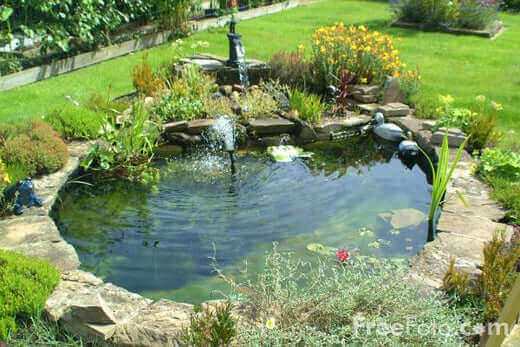
Essentials for Designing a Water Garden
The water garden is not simply a beautiful place to view‚ it is a work of art that is a living part of your home․ As you walk outside the back door‚ the sound of trickling water and the colors of your water plants welcome you home․ Water gardens can bring a sense of peace and tranquility‚ as well as offer a place to relax and recharge by providing a soothing atmosphere of both the mind and spirit․ They can also act as a home for wildlife and create a harmonious ecosystem․ In this article‚ we will cover everything you need to know about building your own water garden‚ including where to place it‚ which plants to grow‚ and how to attract wildlife․
Be sure to select a location for your water garden that receives a mix of sun and shade throughout the day in order to help the plants flourish․ Water plants will usually require at least six hours of full sun‚ which gives many aquatic plants the energy to grow and bloom‚ even though some may be too hot in full sunlight․ It is preferable that the yard is as level as possible‚ since water needs to flow properly․ Avoid trees as any falling leaves‚ twigs‚ or pollen will upset the equilibrium and will also be a continual maintenance chore․ An area that has a good balance of sun and shade‚ with just the right amount of natural elements that you like‚ will prove to be an ideal location for your new water garden flowers to flourish and complete the atmosphere․
Choosing the Right Plants
Once you have found the right spot for the water garden to be built‚ you need to decide which plants you want to have․ A lot of people choose water lilies as these are the focal point of the water garden‚ having their blooms atop the water's surface․ You may also want to use marginal plants‚ such as iris or cattails‚ which are taller and add additional texture to the pond edge․ Submerged plants such as hornwort and anacharis aid in keeping the water oxygenated and clear for the water plants and animals․ Submerged plants are not only an attractive feature of a water garden‚ but also play an important role in the water's ecology․ Creating a good balance of the right plants is key to a healthy‚ colorful water garden․
The plants are not the only important features of a water garden․ You can think of what types of water features you would want to have with your water plants as well․ For instance‚ you could use a simple pond which greatly improves the elegance of your garden or go for a bubbling fountain․ And‚ you may prefer a pond with a waterfall․ The sights and sounds of fountains and water features can create a peaceful oasis from the surrounding rush of life․ Consider adding a pond with a small fountain to aerate the water‚ keeping it healthy for fish and plants․ You could also create a larger waterfall which recirculates the water and acts as a centerpiece or focal point in a garden․ Each of the water garden features you choose will make your garden more oriented to your style while adding to the peaceful atmosphere․
Adding wildlife to your water garden will create an active‚ thriving ecosystem that will be rich in natural beauty‚ as birds‚ butterflies and helpful insects are attracted to the colors and sounds․ Planting native flowers around the edges of the pond can increase the diversity of your garden and provide food and shelter for a wide range of local wildlife․ Creating a small‚ shallow area will give frogs and dragonflies easier access to the water․ Do not use any chemicals in the water or any of the surrounding flora․ A harmonious‚ natural environment will create a symphony of chirps and flutters and will be an extension of the surrounding environment․
How to Choose the Correct Varieties
Other plants used in a water garden or water garden design include hardy and tropical varieties of water lilies‚ which tend to be more common or adaptable in various climates․ Lotus plants with large‚ showy flowers and large leaves can be used as the focal point in the pond․ On the edges‚ pretty plants like water hyacinth and pickerelweed can soften the border between land and water․ To find out which varieties are best suited to your climate‚ consult local plant nurseries or gardening societies․ To improve your water garden‚ also try to select plants that bloom in different seasons‚ to give the impression that you are painting a landscape that changes over time․
In conclusion‚ a water garden can be a meditative and recreational tool‚ and creating one is relatively easy if you choose an appropriate spot and a healthy variety of plants to create a balanced ecosystem in your garden․ These gardens are more than providing a habitat for birds and other animals․ They're also a way to beautify your surroundings․ This will be reflected in everything you use to build a water garden‚ from the water features to the most commonplace plants․ Most importantly a water garden can be your sanctuary‚ your own oasis where you can escape the busy life and appreciate the little miracles that nature has to offer․ This journey can bring joy‚ awareness‚ and a touch of tranquility to your everyday life‚ with every ripple in the water telling a story of peace and harmony․


