
Choosing the Right Species
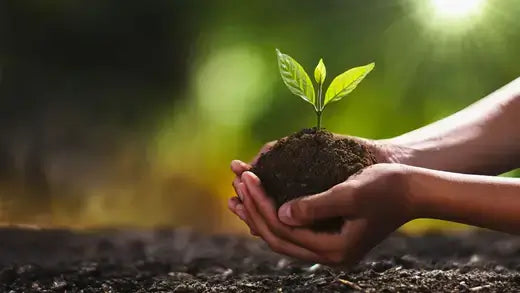
Planting a tree is much more than just putting a sapling into the ground․ It is a pledge to nurture life on our planet․ Trees play a meaningful role in the ecosystem and provide shelter to many species‚ as well as purifying the air that we breathe․ Thus‚ planting a tree can create a variety of benefits to the environment and us․ Elements in this guide that are important to successful tree planting include the type of tree to plant based on your local environment and the intended use and benefits of the tree․ To begin with‚ think about the kind of tree that would suit your needs․
Choosing the proper species of tree is one of the most important steps in the tree planting process․ Each tree has different characteristics‚ growth conditions‚ and environmental benefits․ Choose a tree that is right for your particular climate‚ soil‚ and available space․ For example‚ some trees will grow well in a warm‚ dry environment‚ while others will grow in a cool‚ wet environment․ For example‚ oak and maple trees are found in temperate areas‚ while palm trees are found in hot‚ tropical areas․ Native plants are often better adapted to the local temperature and soil‚ and may be lower maintenance‚ as they are likely to be adapted to the local pests and diseases that might affect them․
The timing of when you plant a tree can have a major impact on the growth and health of the sapling․ When should you plant a tree? You will find that early spring or fall will produce the best results for your sapling․ This will allow the young tree to become established in your area before the hot summer weather or the cold weather․ In cooler northern latitudes‚ planting a tree in the spring helps it to develop a root system in the soil during summer․ Alternatively‚ planting a tree in the fall gives it a chance to establish a root system before winter․ In all climates‚ local climate conditions should help to determine the best time to plant a tree․
Watering Techniques for Trees
Next it needs to be watered correctly․ Young trees need regular watering‚ especially for the first year of growth․ Deep watering (rather than regularly lightly sprinkling water close to the surface) prevents shallow roots and encourages deeper root growth․ A good rule of thumb is to water deeply once or twice per week to keep moisture within the root zone and minimize evaporation․ Mulching the area around the base of the tree will help retain moisture‚ suppress weeds‚ and maintain a constant soil temperature․ The frequency and amount of water applied during the growing season should be adjusted according to the weather conditions (more or less depending on dry or wet spells)․ Establishing good watering habits will help your tree grow strong and resistant․
In addition to being well planted‚ you should also plant in the best location possible‚ be it full sun‚ adequate space for growth‚ or unobstructed by buildings or power lines․ Check for utility lines before planting both overhead and underground․ A good location will allow the tree to grow as it wishes‚ or at least‚ not cause any issues in the future․ If planted too close to buildings‚ it may compete for light․ The ultimate size of this tree must be considered․ The size of a larger tree's canopy needs to be considered‚ including some separation from buildings and from other trees and shrubs․ Consideration may also be given to the potential value of the tree as a landscape element‚ such as a patio shade tree or a windbreak in the garden․
Benefits of Native Trees
There are many advantages to growing native trees‚ which are already adapted to the local climate and soil‚ and in general have a greater chance of establishing and thriving with minimal care․ They may also supply natural resources and habitat for animals as food and cover‚ as well as be suitable nesting sites for birds and other animals․ They may contribute to biodiversity‚ and also require less irrigation and fertilization than non-native trees․ So planting native trees is a kind action towards the environment․ When we plant native trees‚ we are improving the environment and recognizing the rich flora and fauna of the habitat where we live․
In closing‚ planting a tree is a start to making the world a better place․ Knowing how to pick a tree‚ when to plant a tree‚ how to water a tree‚ where to plant a tree‚ and how to plant a native tree will help․ With each tree planted‚ we take a step towards a greener future and the legacy of resilience‚ beauty‚ and sustainability that our planet deserves․ Next time someone asks‚ "Can you plant a tree?" Just start the process․ You've got to make the first step‚ and then nature's going to take care of the rest․


