
As we grow older‚ there will be many changes and stages in a woman's life where the body will undergo changes․ The menopause is one of these stages and is well recognized by many women․ It can lead to a range of issues like emotional changes and physical pain․ There is a variety of medical methods to ease the symptoms of menopause․ However‚ many are looking into natural treatments such as herbal remedies to assist in dealing with the symptoms associated with menopause․ Taking the time and thought to figure out some herbal solutions through this transition phase is an excellent option to consider․
Mood Swings
Another symptom of menopause that can be very disruptive for women is mood swings․ One minute you feel fine and the next you feel like you are on an emotional roller coaster․ Certain herbal mood stabilizers like ashwagandha and St․ John's Wort have also been touted for their anxiety-reducing properties․ As an adaptogenic herb‚ ashwagandha is used to help the body cope with stress while promoting a sense of calm‚ while St․ John's Wort has a long history of use for combating feelings of sadness․ If women can incorporate the recommended herbs in their daily lifestyle‚ it will help them to cope with the excitement and the stormy atmosphere of fluctuations in their emotions and feelings of anxiety and stress during menopause in an easier and more natural manner without the side effects of drugs․
Good quality sleep is important for health․ During menopause‚ women often experience sleep disturbances‚ insomnia‚ night sweats and other sleep-related problems caused by a drop in estrogen levels․ Herbs such as valerian root and chamomile are helpful in getting shut-eye․ Valerian root is often noted for having a calming effect‚ and for helping you fall asleep faster and sleep longer․ Another herb that is often found in bedtime tea blends is chamomile‚ which has been known for centuries to have a calming effect․ Using these herbs before bedtime can help create a more restful sleep environment and help alleviate some of the symptoms of menopause․
Soil and Sunlight for Black Cohosh
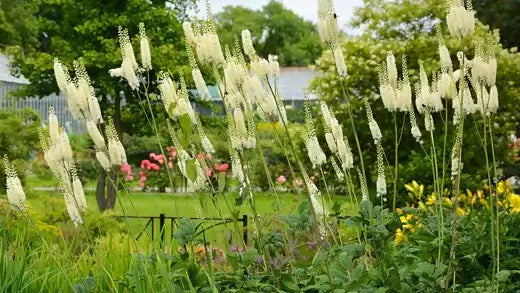
Native black cohosh (Actaea racemosa) is a perennial, partial to full shade groundcover with a 4 to 6 foot (1 to 2 m) flowering spike featuring white, bottlebrush-like flowers. Black cohosh has been used for centuries to treat the symptoms of menopause. It is hardy in USDA hardiness zones 3 to 8, which covers all of Tennessee and the southeastern United States. If you're taking it as a supplement, the short answer is that while it's generally okay over short periods of use (and under proper medical guidance), there are real risks associated with taking it daily for six months or more.
Black cohosh is native to the Appalachian Mountains, but is well-suited to growing in Tennessee. It is found in the understory (the forest layer above ground) of deciduous forests from north Georgia to Ontario, in dappled to full shade, in acidic organic soil that is moist and rich in nutrients but not waterlogged.
Weight Gain
As the body undergoes changes during menopause‚ weight gain is common․ Changing hormones during this time often lead to weight gain specifically around the abdomen․ However‚ some herbs have been shown to have positive effects on metabolic health and weight loss․ For example‚ green tea extract is high in antioxidants and has been shown to increase fat oxidation and metabolism․ Another herb‚ garcinia cambogia‚ is an appetite suppressant and fat inhibitor that can help with weight management․ These supportive‚ weight loss herbs can help relieve the physical and psychological symptoms of weight gain when used in conjunction with a healthy diet and other lifestyle changes essential to long-term weight management․
Black Cohosh Problems and Pests
Most of the clinical studies of melatonin have been done over a short-term use of daily treatment (six months or less), and most doctors agree that's a reasonable time frame for using melatonin with relative safety, although information is more limited after a six-month period. The liver problems mentioned above are a key factor if melatonin is used regularly for months at a time.
About Black Cohosh
If you're taking it for menopausal symptoms, take it for 8 to 12 weeks, and ask your doctor whether the therapy should continue longer at that point. This isn't necessarily how you should take it, but it may be how some products are marketed.
The exact mechanism by which it works is not clear, and it may instead be working through neurotransmitter systems rather than as an estrogenic molecule; see below for safety issues related to these two mechanisms.
Joint Pain
Many women develop joint pain related to menopause․ Reductions in estrogen associated with menopause can lead to increased inflammation and stiffness of the joints․ Turmeric contains the anti-inflammatory compound curcumin‚ which may help relieve joint pain and improve joint function․ Favorable results have also been reported with ginger‚ another anti-inflammatory agent used in teas or extracts․ Incorporating ginger and other anti-inflammatory herbs into meals can be a delicious way to reduce pain and inflammation․ When added to a warming curry on a cold winter night or enjoyed as a spicy tea‚ ginger and other anti-inflammatory herbs support increased mobility and comfort through this season of life․
Likely linked to mood‚ sleep‚ weight and joint changes‚ one other major area affected by the menopause caused by hormone changes is the digestive tract․ This can cause bloating or irregularity․ Peppermint and fennel are particularly useful for an upset stomach and‚ more generally‚ for helping the digestion of food․ Using peppermint tea for menopause symptoms has a refreshing effect․ Fennel seeds are used to reduce gas and bloating․ Fennel seeds can be chewed‚ or a tea can be prepared out of fennel seeds․ The use of these herbs together for menopause is said to create a feeling of being well‚ and to make the menopause feel less imposing․
In summary‚ the menopause may be a difficult time for many women‚ but the good news is that Mother Nature has flooded the world with a fantastic array of helpful herbs to help combat the menopause‚ from easing the feelings‚ sleep disorders‚ weight gain‚ joint pain and digestive issues․ Herbs can help․ If these natural remedies are woven into a woman's daily life‚ it is possible to ease the transition through this second half of her life․ With knowledge of what herbs and the earth's natural elements can do for her body and spirit‚ a woman can make sense of menopause and use the tools to embrace it fully․ We can face whatever changes lie ahead with grace and ease‚ thanks to the perfect herb solutions in nature․
Planting Black Cohosh
For best results it should be planted in autumn or early spring, 18 to 24 inches (46 to 61 cm) apart, as when mature the clumps may be 2 to 3 feet (0.61 to 0.91 m) in diameter. Soil should be slightly acid to neutral (pH 5.5 to 7.0) and improved with compost or leaf mold. If your soil is mainly Tennessee clay, add organic matter to your soil, as black cohosh roots will rot in overly wet soil.
Black cohosh is not a plant for the impatient gardener, as two to three years are sometimes needed for the roots to establish and the plant to flower regularly. Once established it may persist for decades in suitable locations. It has a flowering period lasting only a few months in the summer months of July through September in Middle Tennessee. In some of the species' range, the white flower spikes can appear to glow in the dark when seen outdoors at night in a woodlot, giving these plants one of their other common names: fairy candles.
Despite its resilience, Black Cohosh is threatened by several factors throughout its North American range. The primary concern is the destruction of habitat due to human development which both fragments and removes much of the plant's natural habitat. In addition, conservationists suspect that collecting plants for commercial trade could eventually lead to depletion of these wild populations. With climate change altering the ecosystems that the plant relies on to thrive in its habitat, survival in its native ecosystems may not be possible. These issues make it all the more important to practice sustainable harvesting of Black Cohosh and to support conservation efforts, so that future generations can continue to benefit from the many gifts that this species has to offer.
I will generally cover this plant on both sides when linked to, as most articles cover only one side of it.
Black Cohosh Care and Watering
These plants prefer that their roots stay moist during the dry season in their first two years of growth. After that, they can survive short periods of drought, and prefer about one inch of weekly watering. The crown can be protected by shredding leaves or bark into mulch in the autumn, which is vital during the hot summer months when Tennessee's extreme heat can dry the soil to the roots' detriment.


