
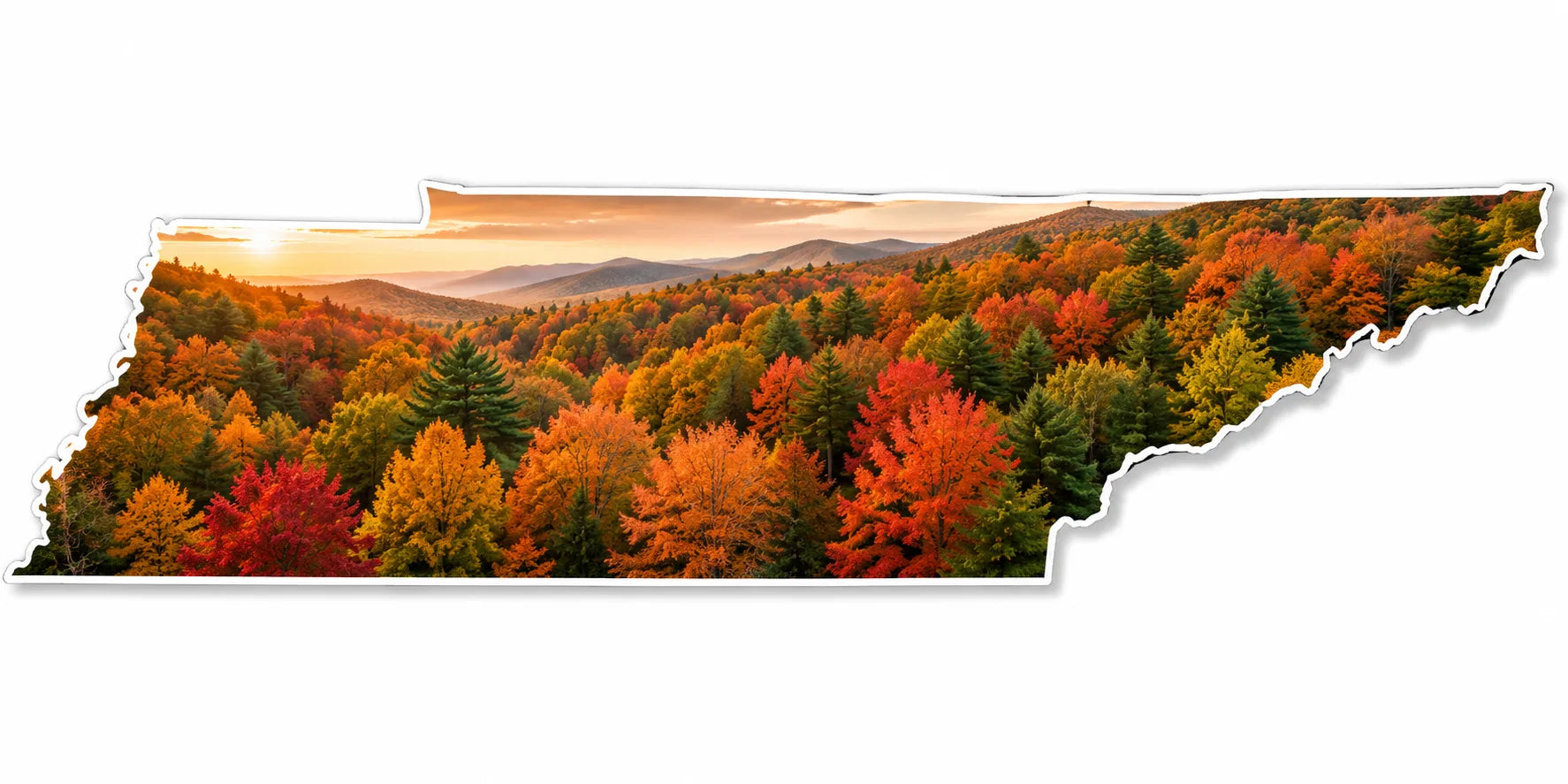
Native Trees of Tennessee: Beauty Rooted in Nature
The natural scenery of Tennessee is one of its most impressive features․ With rolling hills‚ wildlife‚ and great diversity of natural vegetation‚ especially trees‚ Tennessee's natural beauty is imposing․ Trees‚ especially‚ in their infinite variety and amount‚ are a graceful tribute to the extent of the fertile soil of the state․ Tennessee is no exception in that aspect․ Besides their beauty‚ they also provide many benefits to the environment and local wildlife․ This essay will focus on a few of the most common native trees of Tennessee and their importance․
The Tulip Poplar Tree
The tulip poplar or tulip tree (Liriodendron tulipifera) is one of the most recognizable native species of tree in Tennessee․ It has an extremely tall‚ tapering‚ straight-trunked form that exceeds 100 ft (30 m)․ Tulip-shaped flowers may be seen during spring․ In addition to its height‚ the tulip poplar is an important shade tree in Tennessee forests․ It provides a home to many birds and insects․ The flowers are an important source of food for the local honeybee population and the main source of pollen and nectar for the tree․ Furthermore‚ the light and decay-resistant wood of the tulip poplar has long made it prized for furniture and many other construction purposes‚ as is typical of such a majestic tree․
Pine Trees
The Pine tree is also native to the state‚ with several species found in Tennessee‚ including the Eastern White Pine‚ which is common in many of Tennessee's mountains․ The long‚ narrow needles are very closely spaced at the tips of the branches and give a feathery appearance․ Due to its adaptability‚ the tree can also grow in sandy and rocky terrain and under many different conditions․ Moreover‚ the root system of the pine tree protects the soil from being carried away on the steep slopes‚ preventing erosion due to its broad‚ flat nature․ Pine trees provide vital habitat for deer and squirrels and a large number of species of birds and animals both directly and indirectly by providing cover with foliage․

Red Maple Tree
Another native species quite common in the state of Tennessee is the red maple tree․ Red maple is prominent for its brilliant colors in autumn․ Red maple trees turn from a green to a brilliant red or orange color in autumn․ It is named for the color of its flowers․ Red maple is an attractive tree and is of rapid growth․ Red maples are tolerant of a wide variety of soils and thrive in both urban landscapes and undisturbed woods․ They provide important nectar sources for bees in spring‚ as well as seeds for birds and small mammals․ In addition to their importance in the ecosystem‚ red maples are commonly used in landscaping for parks and in yards and gardens throughout Tennessee‚ where trees with excellent growth habits are needed․

Tulip Poplar Tree
Among the other native trees of Tennessee‚ in addition to tulip poplar‚ pine‚ and red maple‚ are a number of species of oak trees‚ hickories‚ and sweet gums growing in various soil types․ These mixtures of species provide a wide variety of forests․ Benefits of the diverse species within these forests to human beings are well-known‚ including improved air quality‚ water conservation‚ and soil productivity․ Additionally‚ it makes for a mixed population of trees that is slightly more resistant to bugs and disease‚ and that certainly contributes to the important biodiversity present in the forests and natural areas of the state․ In addition‚ they help to reduce the urban heat island effect by providing shade and by evaporative cooling through a process known as transpiration‚ making them vital to communities․
Oak Trees
The oak tree is one of the primary native species and provides several benefits to the ecology and human populations of the area․ The Northern Red Oak and the White Oak‚ in particular‚ are valued for their strength and longevity․ As habitats for wildlife‚ oaks are the source of acorns‚ a food source of many birds and mammals․ The trees are also known for their longevity‚ some trees living for several hundred years․ Because they are long-lived‚ they are able to sequester carbon dioxide in their wood (and thereby reduce climate change) for many years․ Their large canopies can also have a cooling effect on their surrounding environment‚ which can help to moderate local climate and to improve the quality of life․

Tennessee native trees‚ from the majestic white and yellow tulip poplar and sturdy pines to the beautiful red maple and useful oaks‚ trees‚ from native habitats of nature‚ not only add beauty to Tennessee's landscapes‚ they strengthen and support its ecosystems․ From providing habitat and food for wildlife to cleansing the air we breathe to reducing the effects of climate change‚ trees are an essential part of the environment and human existence․ The native tree species of Tennessee are many and varied․ We must continue to replant and save these trees‚ not only for the beauty of the state but for the sake of the environmental health of the state as well․ With research‚ conservation‚ and greater awareness‚ we can ensure that these magnificent trees are part of Tennessee's future for many years to come․


