
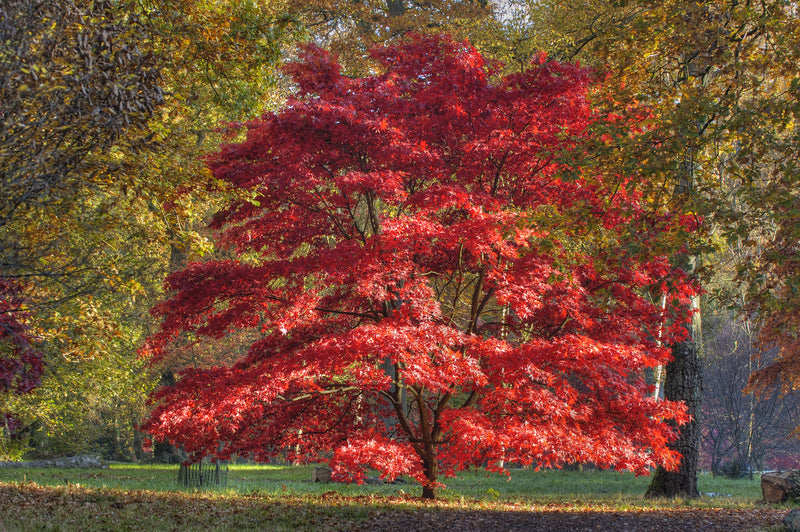
Shade changes how a yard looks, feels, and functions. The right tree brings cooling comfort, lasting beauty, and a sense of permanence that only grows stronger over time. For homeowners and land stewards across the U.S., hardwood trees remain a smart choice when the goal is to create a landscape that feels established, useful, and inviting.
Choosing the right one takes more than picking the fastest grower in the nursery row. A good shade tree should suit your space, hold its value over time, and contribute something meaningful to the landscape in every season. At TN Nursery, hardwood shade trees are valued for the long-term beauty, structure, and reliability they bring to a property, not just quick coverage.
Below, we'll look at what matters most in a shade tree, the trade-offs worth weighing, and which hardwoods stand out for different yard goals.

Hardwood Trees for Shade at a Glance
When searching for hardwood trees for shade, most homeowners want a few non-negotiables:
-
A dependable, spreading canopy that delivers true shade
-
Lasting value in the landscape, not just a sprint to size
-
A tree that matches the available yard space and site conditions
While it's tempting to chase the fastest-growing options, the best tree for you will hinge on:
-
How much space you have; tight spaces need trees that won't outgrow their welcome
-
Your soil and moisture profile: clay, loam, drainage, drought tolerance
-
How urgently you need shade (new homes and sun-blasted patios call for faster coverage)
-
Whether you want extra perks like wildlife value, edible nuts, or standout fall color
The decision comes down to a blend of practical fit, longevity, and landscape ambition.
What Makes a Good Shade Tree
True shade depends on more than size. Before you compare species, size up these traits:
-
Canopy spread and density. Wide, dense crowns cast deeper shade. Open or sparse canopies give a lighter, dappled effect.
-
Mature height and width. Will the tree truly cover patios, play spaces, or home windows without overcrowding?
-
Growth rate. Faster isn't always better. A slower tree often has stronger wood and fewer storm breakages down the road.
-
Longevity. Oaks and walnuts become legacy trees. Others mature quickly but have a shorter prime.
-
Adaptability. Match your tree to local soil conditions, including heavy clay, drought, flooding, or compaction.
-
Maintenance. Consider leaf drop, pruning needs, pest resistance, and root spread.
Great shade trees also deliver secondary rewards: brilliant fall color, habitat for birds and pollinators, edible harvests, or ornamental blooms. Our guide on choosing a shade tree digs deeper into these trade-offs if you want to think through your site before narrowing species.
Fast Shade vs. Long-Term Value
Every homeowner faces a version of the same question: prioritize fast growth now, or bet on a sturdier tree that pays off for decades?
The case for fast shade. In new neighborhoods or sunbaked backyards, quick coverage is a real concern. Species like Red Maple or Silver Maple can put on several feet a year and cast generous shade while still young.
The case for legacy trees. Oaks, black walnuts, and dawn redwoods grow more deliberately. Their initial shade is slower to arrive, but their mature canopy, strong wood, and long lifespan make them centerpieces of a landscape for generations.
How to weigh the two. If you need relief from summer heat soon, don't discount reliable workhorses like Red Maple or Tulip Poplar. For vast yards, Tulip Poplar or Black Walnut fit the bill with their eventual size. Looking for a tree that delivers beyond shade? Black Walnut offers a fall nut harvest, and Red Maple is hard to beat for autumn color.
TN Nursery's full shade tree collection offers a broader comparison of what's available.
Red Maple: Fast Color and Versatility

If your goal is a tree with quick establishment, adaptability, and real seasonal beauty, Red Maple (Acer rubrum) belongs on your shortlist. It thrives almost everywhere east of the Rockies and checks the practical boxes:
-
Brilliant scarlet fall color across northern and southern zones
-
Four seasons of interest, from red buds in late winter to lush summer foliage, blazing autumn leaves, and intricate winter branching
-
Tolerates damp clay, well-drained sand, and even compacted urban ground
-
Suits residential, urban, and rural settings alike
-
Moderate-to-fast growth for a hardwood, making it a preferred choice for earlier shade
Sizing and shade impact. Red Maples reach 40 to 70 feet at maturity, with a broad, rounded canopy that's neither sparse nor overwhelming. That makes them well-suited to medium and large yards and to lining drives or patios. Young trees establish quickly, and leaf density creates a true cool zone beneath. Compared with faster but weaker species like Silver Maple, Red Maple offers reliable strength and character.
Tulip Poplar: Tall, Quick Canopy
The Tulip Poplar (Liriodendron tulipifera) is the bold choice for large, open yards craving instant presence and height:
-
Exceptionally fast-growing, with upright, straight trunks that quickly form tall shade columns
-
Canopies that stretch over 80 feet, with a regal, pyramidal silhouette
-
Distinctive tulip-shaped blooms in spring, yellow-green with orange centers, that draw bees and hummingbirds
-
Sturdy wood and high disease resistance once established
For anyone dreaming of a classic American landscape, Tulip Poplars deliver old-fashioned grandeur as one of the largest native shade trees. This Tulip Poplar overview covers its size, beauty, and landscape appeal in more detail.
What to watch for. Given their mature size, Tulip Poplars need plenty of room away from buildings and overhead wires. They prefer well-drained soil and full sun, and they don't do well crammed next to patios or rooftops. For planting advice, watering, and maintenance, our Tulip Poplar growing and care guide walks through the specifics.
Black Walnut: Shade With Harvest Value

The Black Walnut (Juglans nigra) offers something the others can't: dense, far-reaching shade paired with a valuable edible harvest. Where it shines:
-
Mature trees develop a broad, arching crown ideal for deep shade over fields or wide yards
-
A lifespan of a century or more, making them true legacy trees on farms and homesteads
-
An annual crop of edible black walnuts prized for baking, oil, and even dye-making
-
Food and shelter for squirrels, foxes, woodpeckers, and other wildlife
-
Multi-use appeal: nuts, high-quality wood, and traditional extracts
What to watch for. Black Walnut produces juglone, a compound that can suppress or harm certain plants nearby. Tomatoes, blueberries, rhododendrons, azaleas, and apples are among the most sensitive. Plan for the allelopathic effect by giving the tree distance from your vegetable garden and choosing juglone-tolerant understory plants if you want to landscape beneath the canopy.
Matching the Tree to Your Site
Before you choose a species, walk your yard and assess what it can actually support. A quick way to narrow options:
-
Red Maple suits medium to large yards that need adaptability, good shade, and vivid seasonal color. Works well along driveways, around play spaces, and at the edges of lawns.
-
Tulip Poplar belongs in open spaces that can support its full height and sun-loving nature. Choose it where nothing limits sky-high growth.
-
Black Walnut is best reserved for larger landscapes and small acreage, where shade plus nut production is welcome and roots won't interfere with structures or sensitive plants.
Beyond species selection, pay attention to the fundamentals:
-
Allow ample distance from homes, patios, and driveways
-
Anticipate the root area needed for healthy growth
-
Decide whether your yard supports a single statement tree or a grouping
-
Map out mature canopy spread to avoid future crowding
Site conditions matter just as much as the species on the tag. Red Maples handle clay and wetter soils better than most. Tulip Poplars want moist, well-drained ground and full exposure. Black Walnuts need deep soils with good airflow and unconfined space for their spreading roots. Urban yards often face compaction, which Red Maple tolerates far better than the other two. Matching tree to site, rather than squeezing a large hardwood into a spot designed for an ornamental, is what separates a thriving tree from a struggling one.
Shade Benefits Beyond Cooling
Planting a shade tree brings more than a temperature drop. Relief from summer heat is the usual motivator, but hardwoods deliver a wider set of rewards:
-
Outdoor living comfort, whether you're reading under a maple or gathering for family meals on a shaded deck
-
Landscape structure, since trees add vertical interest, divide open yards, and soften hard edges
-
Wildlife habitat, with shelter, food, and nesting sites for birds, bees, and small mammals
-
Increased property value, since healthy large trees boost curb appeal and resale potential
-
Year-round beauty, from spring leaves to summer shade to autumn color to winter silhouette
Shade trees also reduce heat exposure enough to make outdoor spaces usable through the hottest months, offering practical climate adaptation that also supports native species.
How Bare-Root Trees Fit the Decision
Bare-root trees are a smart option for establishing new shade:
-
Easier handling. Lighter and less bulky than container-grown trees, so planting is manageable for most homeowners.
-
Cost-effective. You can buy a larger size for less money, which matters if you're planting several at once.
-
Seasonal timing. Shipped dormant in early spring or late fall, when transplant shock is lowest.
-
Fast establishment. Roots adapt quickly if you plant promptly, water well, and mulch for moisture retention.
TN Nursery ships Red Maple, Tulip Poplar, and Black Walnut as bare-root specimens. When your tree arrives, dig a wide planting hole, untangle the roots, backfill, water deeply to eliminate air pockets, and mulch well. Adjust technique to your soil type and climate as needed.
Common Mistakes to Avoid
A few pitfalls show up again and again when homeowners plant shade trees:
-
Choosing by speed alone. The fastest growers often sacrifice wood strength and long-term health.
-
Underestimating mature size. Branches overhanging roofs and driveways usually trace back to this one.
-
Planting too close to the house. Large shade trees need real distance to avoid root and canopy conflicts.
-
Ignoring soil and drainage. An unsuitable site hinders root growth and overall vigor no matter what you plant.
-
Mismatching features to lifestyle. Heavy leaf drop or a nut harvest isn't for everyone, so think about how you actually use the space.
-
Overlooking allelopathic effects. Black Walnut's juglone can surprise gardeners who didn't plan for it.
Avoid these, and your investment will reward you for decades.
Choosing With Purpose
Each of these three hardwoods has a different strength. Red Maple gives you beauty sooner, multi-season interest, and a size that fits most medium yards. Tulip Poplar rewards large, sunny properties with a stately golden-yellow canopy and spring blooms. Black Walnut is the choice when you want broad shade plus an annual harvest, and you have the room to let it do its thing.
The right match depends on your space, your soil, and what you want the tree to do ten, twenty, fifty years from now. Plant with that longer view in mind, and you'll end up with more than shade. You'll have a tree your yard organizes itself around for generations.


