
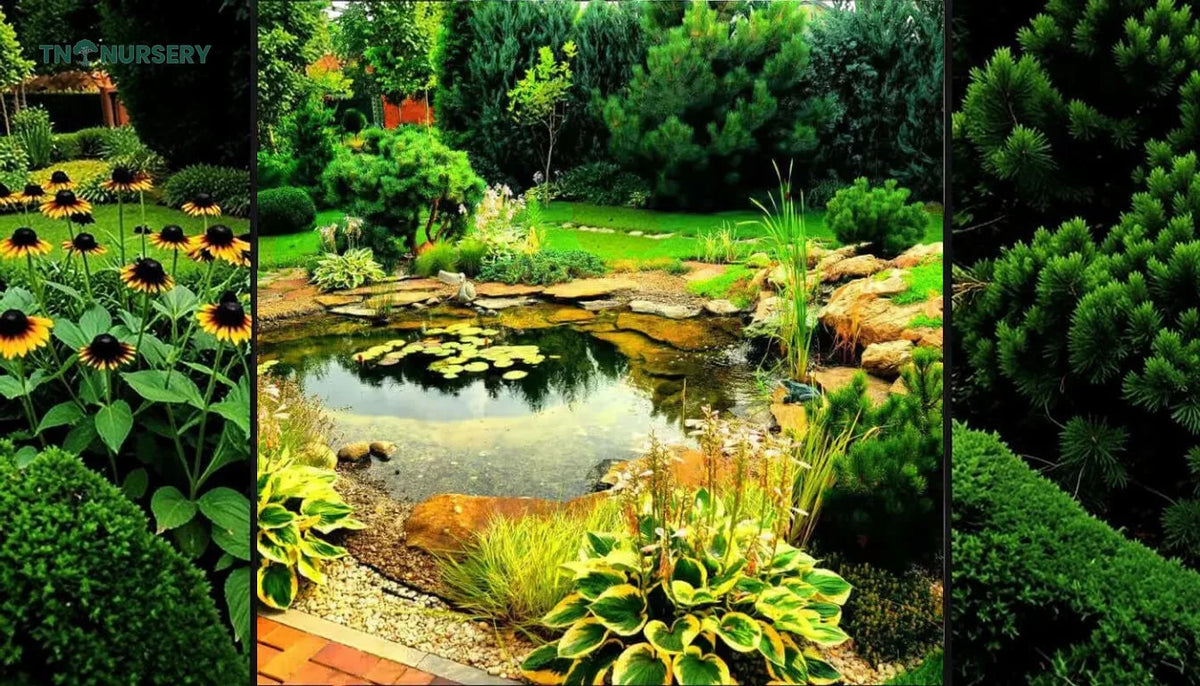
We use flowering plants to wake up a front yard fast. You’ll find color, texture, and easy curb appeal ideas that suit sunny beds, light shade, and real home landscapes.
How to choose flowering plants that boost curb appeal
- Learn how to match flowering plants to wet, sunny, or partly shaded front-yard spots
- See how color, height, and bloom season work together for a stronger street view
- Find low-upkeep planting ideas using mixed packs and long-returning blooms
- Understand honest tradeoffs, including variable assortments and taller plants that need room
Best Landscaping Plants for Front Yard Landscaping Color
If you want curb appeal that looks planted on purpose, start here. Our purple-and-gold mix brings bold summer contrast, Fleabane Daisy softens edges with airy white blooms, and the mixed blooming baskets add height and balance.


Plan a Front-Yard Planting Layout That Blooms in Sequence
When we plan with the best landscaping plants, we start with light, not color. Walk your front yard in the morning and again in late afternoon. You will quickly see which spots stay bright for six hours and which ones get gentler light. That simple check helps you place plants for front yard landscaping where they can actually thrive, not just look good for one season.
How to choose the right best landscaping plants?
Start by matching each planting area to sun, moisture, and size at maturity. Then build from taller plants in back to lower growers in front, so your porch, path, and windows still feel open.
For sunny beds near a walk or mailbox, we would use best flowering perennial plants for front yard landscaping. This package includes 5 larkspur and 5 black-eyed Susans, so you get vertical purple spikes behind cheerful gold blooms. Keep in mind that larkspur reaches 1 to 3 feet tall, so give it room instead of squeezing it against a narrow foundation strip.
Shade landscaping plants
If your entry bed sits under trees or along the north side of the house, use shade landscaping plants for a layered front yard bed. The mix includes 5 square feet of moss, 5 Black-Eyed Susans, and 5 Giant Ostrich Ferns. We like this kind of layout because the moss softens the soil line, while the ferns add height without looking stiff.
- Front edge: moss or lower, airy flowers
- Middle layer: Black-Eyed Susans for summer color
- Back layer: taller ferns or larkspur where space allows
What are the best best landscaping plants to buy?
For long bloom timing, mix spring and summer performers instead of planting everything to peak at once. best perennial flowers for natural front borders bring spring bloom, while the Purple & Gold package carries the show into summer.
And if you need to fill a wider bed fast, best flower seeds alternative with 25 mixed perennial plants gives you varied heights and bloom forms in one box. Because it ships bare-root and dormant, it may look plain at first. That is normal. We think it is a strong pick when you want a fuller bed this season and a more settled look next year.
"A front-yard layout works best when bloom time overlaps a little. You want one group starting as another fades, so the bed never looks empty."
- Map full sun and part shade areas first.
- Place taller plants at the back or corners.
- Repeat one color group in two spots for rhythm.
- Leave enough spacing for mature width and airflow.
How We Layer Front-Yard Color, Texture, and Height
For strong curb appeal, we start with best landscaping plants that do more than bloom for a week. We look for long-season color, clear height differences, and plants that settle in without constant fuss. That is why we often build a front bed around the purple and gold plants for front yard landscaping, then soften the edges with Fleabane Daisy Plant.
How to choose the right best landscaping plants?
Pick one plant group for height, one for filler, and one for the front edge. This keeps the bed easy to read from the street and easier to maintain through summer.
The 10 Purple & Gold Plants give you that tall-middle layer fast. You get 5 larkspur and 5 black-eyed Susans, so the planting already has purple spikes and golden daisy forms built in. That contrast does real work. It keeps a front yard from looking flat.
Then we like to tuck in Fleabane Daisy near the front. Its white blooms and fine green foliage lighten heavier colors. And because it handles poor soil and can self-sow, it fits gardeners who want a softer, natural look. Keep in mind, though, self-sowing means you may need to thin a few seedlings if you prefer crisp lines.
Shade landscaping plants
If your entry bed gets less sun, use the Air Purifying Plants Package for shade landscaping plants. The mix includes 5 square feet of moss, 5 Black-Eyed Susans, and 5 Giant Ostrich Ferns. Moss covers the soil. Ferns bring height and feathery texture. The flowers keep the bed from turning into a block of green.
What are the best best landscaping plants to buy?
For a simple front-yard plan, we would choose a mixed backbone like the Blooming Plant Box, then repeat one accent plant across the border. It gives you 25 mixed perennial flowers with varied heights, bloom forms, and groundcover types, which is useful when you want a fuller bed without starting from best flower seeds.
Full sun landscaping plants
- Use bold color in the middle: 10 Purple & Gold Plants fit sunny beds and bring over-12-inch height.
- Use white at the edge: Fleabane Daisy brightens the border and handles tougher soil.
- Use a mixed base for easy layering: Blooming Plant Box adds upright, medium, and groundcover-style perennials.
- Use wet-area plants only where they belong: Water Garden Plants work for ponds, creeks, and consistently wet spots, not dry foundation beds.
"The front yard usually looks better when every plant has a job. One adds height. One spreads low. One carries the color."
Look, the easiest mistake is mixing too many unrelated shapes. If you repeat a few proven groups and match them to the light, your planting looks intentional from the sidewalk and stays much easier to manage.
Shop Shade Landscaping Plants and Water Picks for Better Curb Appeal
For the best landscaping plants around entryways, damp corners, and pond edges, we pulled together two practical picks. You'll find layered texture in the shade landscaping plants package for woodland borders.


Avoid Front-Yard Planting Mistakes
When customers ask us about the best landscaping plants for curb appeal, we usually start with the mistakes, not the flowers. A front yard can look busy fast if you crowd tall growers together, mix dry-bed plants with pond plants, or tuck spreading plants into a space that needs clean lines.
How to choose the right best landscaping plants?
Match each plant to the light, moisture, and width of the bed before you plant. Then repeat that check with mature size, because a plant that starts small can still swallow a walkway by year two.
Plants for front yard landscaping
For open beds near walks or mailboxes, we like using the plants for front yard landscaping in our 10 Purple & Gold Plants mix where there is room for height. You get 5 larkspur and 5 black-eyed Susans, with blooms rising from 1 to 3 feet. That color contrast is strong, but keep in mind the larkspur spikes need breathing room. Cram them against a foundation, and the whole bed can feel top-heavy.
If you want a softer edge, Fleabane Daisy Plant handles poor soil and disturbed ground better than fussier flowers. It self-sows, which is useful in informal borders. But if you want a strict, clipped look, that natural habit may feel too loose.
Shade landscaping plants and wet spots
Not every front yard gets all-day sun. Our shade landscaping plants in the Air Purifying Plants Package work well in cooler, sheltered beds because the mix includes 5 square feet of moss, 5 Black-Eyed Susans, and 5 Giant Ostrich Ferns. That layered look solves bare-ground problems under trees, where sun-loving bloomers often thin out.
And for soggy edges, use the Water Garden Plants pack only where soil stays wet or near a pond. These 10 aquatic plants are meant for ponds, creeks, and water features. Put them in a dry foundation bed, and you are setting them up to fail.
"The front yard usually looks better when each plant has room to show its shape."
What are the best best landscaping plants to buy?
For mixed beds, we often point customers to the best flower seeds alternative in our Blooming Plant Box when they want faster coverage than seed packets give. It includes 25 mixed perennial flowers for full sun landscaping plants to partial shade areas, with bloom interest planned from early spring into late fall.
- Avoid overcrowding: leave space for mature height and spread
- Match light first: sun lovers and woodland growers should not share the same tight bed
- Respect moisture needs: aquatic plants belong in wet ground, not dry borders
- Plan for growth: a 25-plant mix fills space quickly, so measure before planting
Frequently Asked Questions
What are the best best landscaping plants to buy for front-yard color?
For easy curb appeal, we usually point you to our best landscaping plants for bold front-yard color and the mixed perennial flowering plant box. The Purple & Gold pack gives you 5 larkspur and 5 black-eyed Susans, so you get strong purple-and-gold contrast fast. The Blooming Plant Box gives you 25 mixed bare-root perennials with blooms planned from early spring into late fall. If you want a more natural, airy look, our Fleabane Daisy Plant works well too. Keep in mind that mixed boxes vary by selection, so the exact plant mix is not fixed.
How do I choose between full sun and shade areas in my front yard?
Start with the light you actually have, not the light you wish you had. Our Purple & Gold Plants and Fleabane Daisy both handle full sun to part shade, which makes them useful for many plants for front yard landscaping. If you are planting a cooler side yard or a bed under trees, our shade landscaping plants package with moss, Black-Eyed Susan, and Giant Ostrich Ferns is the better fit. It was built for shaded, woodland-style spaces. But if your front bed bakes all afternoon, skip the moss-heavy package there.
Which flowering options are the lowest maintenance once established?
Our Fleabane Daisy is one of the easiest picks. It adapts to poor or disturbed soil, handles drought after it settles in, and often self-sows for a relaxed meadow look. For gardeners searching for low maintenance flowering shrubs, keep in mind that this article focuses on flowering plants and perennial landscaping plants from our catalog, not shrubs. The Air Purifying Plants Package is also fairly low-fuss in shade, though you will need to keep an eye on moisture while the moss and ferns establish.
Do your flowering plants come as seeds or live plants?
Most of the featured options here ship as live plants, not seed packets. Our Blooming Plant Box ships as live bare-root, dormant perennials, and both Purple & Gold Plants and Fleabane Daisy also ship bare-root. That means you get a head start compared with best flower seeds, especially if you want a fuller bed sooner. Look, bare-root plants can arrive without leaves, and that is normal. They are dormant, not dead.
Will these plants bloom through more than one season?
Several will. Our Blooming Plant Box includes perennial flowers selected for seasonal interest from early spring into late fall, and the Fleabane Daisy returns season after season with a long bloom window. The Purple & Gold pack also includes perennial-style garden color, with black-eyed Susans bringing repeat summer interest. The tradeoff is simple: taller plants like larkspur need a little room, so they are not the best fit for a very tight foundation strip.
How do you ship plants from TN Nursery?
We ship all items by 3-4 day ground shipping. Some listings also note the carrier, such as USPS for the Blooming Plant Box and Water Garden Plants, or UPS for the Air Purifying Plants Package. We send live plants in the form listed on each product page, such as bare-root for several of these front-yard picks. If you need help before ordering, reach us at customerservice@tennesseewholesalenursery.com.
Do you accept returns or offer refunds on plants?
We do not offer refunds, and we do not accept returns. We also do not offer a warranty on any product unless an extended warranty is purchased at the time of order. If there is an issue that qualifies, we may offer a reshipment instead. If you need to contact us, we are TN Nursery, Tennessee Wholesale Nursery, 12847 State Route 108, Altamont TN 37301, United States.
Conclusion
Key Takeaways
- Use bloom contrast and plant height together for a front yard that reads clean and intentional.
- Match sun and moisture first, then choose color. That is how plants settle in and keep performing.
- Fleabane Daisy handles poor soil and drought once established, so it works well in lower-care borders.
- Purple & Gold Plants suit full sun to part shade and bring pollinator activity with 10 plants total.
- Blooming Plant Box gives you 25 bare-root perennial landscaping plants for fuller beds and longer seasonal color.
- Air Purifying Plants Package is a practical pick for shade landscaping plants, with 5 sq ft of moss, 5 Black-Eyed Susans, and 5 Giant Ostrich Ferns.
- Water Garden Plants are for ponds, creeks, and wet spots, not standard beds, so place them only where soil stays wet.
Shop the Best Landscaping Plants for Spring
Ready to map out your front yard? We grow flowering shrubs, perennials, and mixed plant boxes for real curb appeal. Start with our zone-ready picks now, and keep in mind that bare-root plants need time to establish.
