
Best Shade Plants For Tennessee Gardens: Native Picks That Actually Thrive Here
Tennesseans (and most other Mid-Southerners) will find that the best shade plants are not those recommended by the nurseries on a California gardening website or a gardening site from Britain․ Virginia Bluebells‚ Bloodroot‚ Great Blue Lobelia‚ Royal Ferns and the Indian Pink are far better adapted to our heavy clay soil and our humid summers and unpredictable winters than any imported ornamental․ Those five plants‚ plus several woody perennial shrubs and small trees‚ such as Red Crepe Myrtle and Staghorn Sumac‚ comprise the backbone of a shade garden that survives a Nashville August․
Because the majority of our state falls into USDA plant hardiness zones 6b-7b‚ this is more important than you may realize․ A plant that does well in dappled shade in the Pacific Northwest may rot in our clay in a wet spring‚ or die from the three hours of terrible afternoon sun in July that a shade spot gets․ And the plants below aren't just shade tolerant in theory‚ they've been growing wild in the woods and creek bottoms of Tennessee for centuries․
Five Best Shade Performers for Tennessee Soils
Virginia Bluebells (Mertensia virginica) have pink flower buds that change into true blue‚ bell-shaped flowers․ The plants are short-lived‚ disappearing by early summer․ This is useful‚ because Virginia Bluebells prefer full sun before the canopy leafs out around them‚ providing beauty for a short period‚ and disappearing as a dense canopy begins to form․ They are also at home in the clayey soils of Tennessee‚ provided that drainage is good․ Left undisturbed‚ Virginia Bluebells will drift within three or four years․
Ajuga‚ or bugleweed‚ is an excellent choice for the toughest bed․ It is a hardy spreading perennial with runners that is more resistant to foot traffic than most shade ground covers․ In mid-spring‚ blue-purple flower spikes shoot up above the leaves․ In humid Tennessee‚ give it a decent amount of air circulation․ Plantings in low areas can develop crown rot from too much water․ Generally‚ it requires little maintenance․ It can be planted in lieu of grass in shaded landscapes where grass won't grow․
The native woodland plant Black Cohosh (Actaea racemosa) is often overlooked in the landscape because it takes a year or two to take off; but when it does‚ a tall stalk of spikes of white flowers shoots into the air in mid to late summer‚ adding a much needed height to many shade gardens that begin to look tired․ It also enjoys consistent moisture‚ and can be used in the lower‚ wetter areas in the yard that many perennials cannot stand․
A popular plant in Tennessee woods‚ one of the earliest to flower is bloodroot (Sanguinaria canadensis)․ Its white flowers appear as early as late February or March‚ before most trees have leafed out․ The blue-green leaves are lobed and last through much of summer․ It spreads very slowly from rhizomes․ It prefers fertile‚ humus-rich soil; mimicking such conditions by applying a few inches of leaf mulch each fall can help․
For later in the season (August to September) the Great Blue Lobelia (Lobelia siphilitica) will bloom with blue-violet spikes․ This perennial does well in moist areas‚ and is often planted where downspouts meet the ground‚ or in low spots‚ where other perennials do not grow well due to overwatering․
Building Layers With Woody Plants
But a shade garden also needs structure‚ and Red Crepe Myrtle fits the bill․ It does extraordinarily well on the edge of partial shade‚ where it gets a few hours of direct sun per day‚ but avoids the intense afternoon sun․ The red-pink flowers run from June through September‚ which is longer than almost everything else on this list‚ with the plant also acting as a vertical garden anchor․
Indian Pink (Spigelia marilandica)‚ a herbaceous perennial that gets up to 18 to 24 inches‚ is an excellent understory flower in larger shrub gardens‚ such as crepe myrtle and other large flowering shrubs․ Blooming from May to July‚ this red and yellow tubular flower‚ in addition to creating a dense foliage‚ will attract hummingbirds without competing with larger flowers․
Royal Ferns would make a soft texture in shade gardens․ They do well in moist‚ slightly acidic soil‚ and so can be located in a perennial bed near a downspout or low area‚ or even a small pond․ Give them (an established clump may be three feet in diameter) the space they need‚ and they will return year after year․
The one thing here that surprises people is Staghorn Sumac‚ as it's a full sun plant out by the road․ It doesn't grow quite so large in partial shade‚ but the fern-like compound leaves and dark red seed heads give the shade bed something to look at in winter after the perennials die down․
Planning The Layout
It's worth it to spend a week walking around your yard at different times of day and see how much light each spot actually gets․ Shade covers a lot of ground: dense shade under a mature oak is nothing like the dappled light under a young maple‚ and plants that tolerate one won't necessarily tolerate the other․ Watch where the morning sun hits your bed‚ where the afternoon sun doesn't reach‚ and where the rainwater collects with nowhere to go․
When using multiple types of plants of similar growth rates‚ consider planting things in layers‚ based on height and bloom time․ For example‚ Bloodroot‚ Virginia Bluebells should be planted at the front of the garden․ Plantings such as Ajuga can be used to cover the ground‚ with Indian Pink‚ Black Cohosh and Royal Ferns as the middle layer‚ with the Royal Ferns at the back or near the wet corner․ The Crepe Myrtle and Sumac are the structural vertical components against the wall‚ and should be planted first‚ around which everything else is clustered․
One thing most shade-gardening guides do not mention is that in shaded soil‚ mulch is even more important than in sunny soil․ Mulch for a shaded soil bed is necessary to retain moisture‚ but too much moisture causes rot for Bloodroot and Ajuga․ Use mulch of shredded leaves or fine bark‚ 1 to 2 inches deep‚ pulled back from crowns of plants․
Get plants that are truly adapted to Tennessee conditions․
TN Nursery plants are grown and shipped under conditions acclimated to the Southeastern soil and humidity‚ which is more important than you realize․ If you purchase a Royal Fern or Bloodroot grown in a different hardiness zone‚ your plant may take a whole season just to get acclimated to your zone before it starts to thrive․ Regionally grown plants can drastically cut down that acclimation period and give you a head start on the kind of layered‚ resilient shade garden described above․
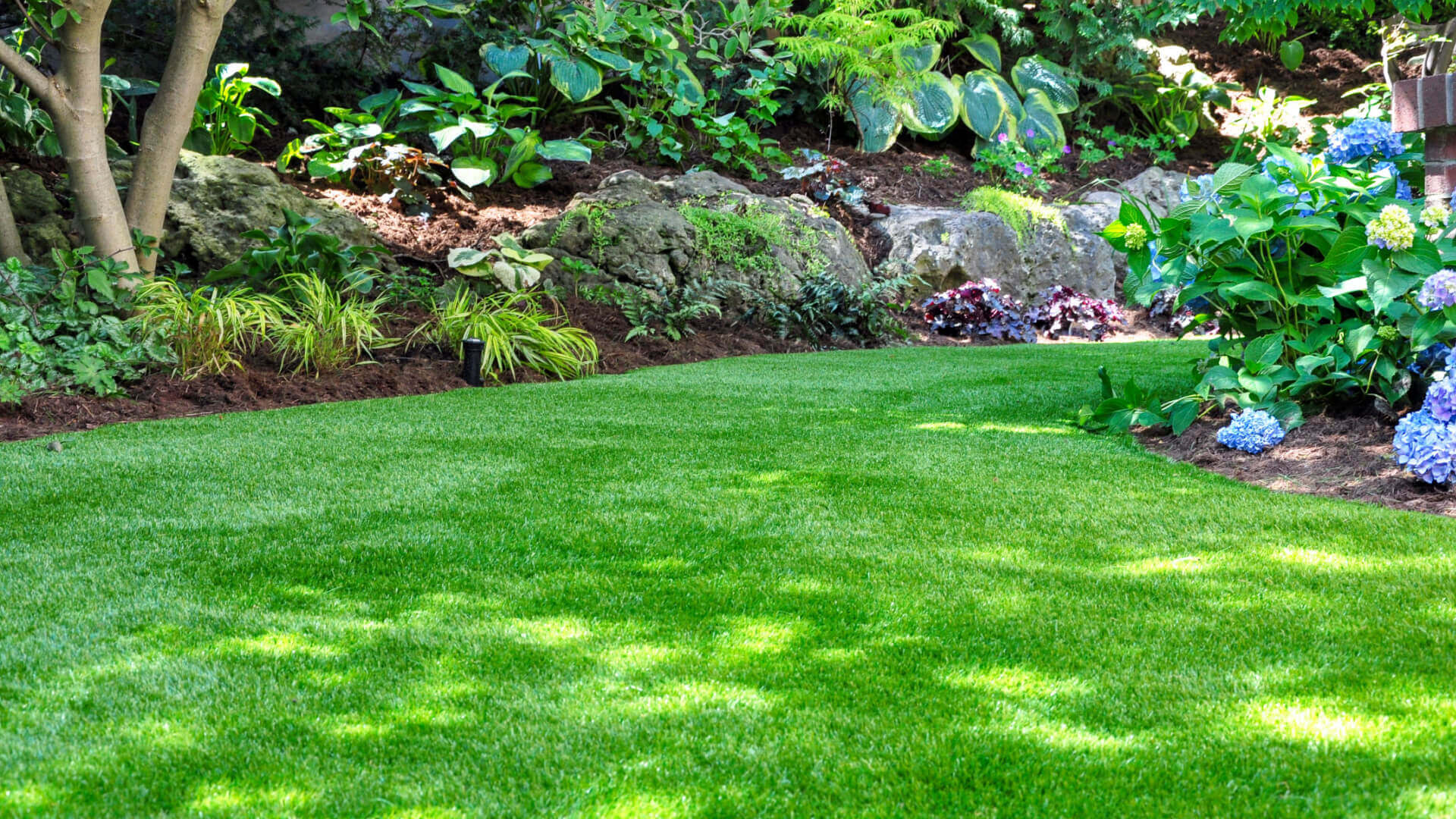
Shade gardens using native and regionally adapted plants


